


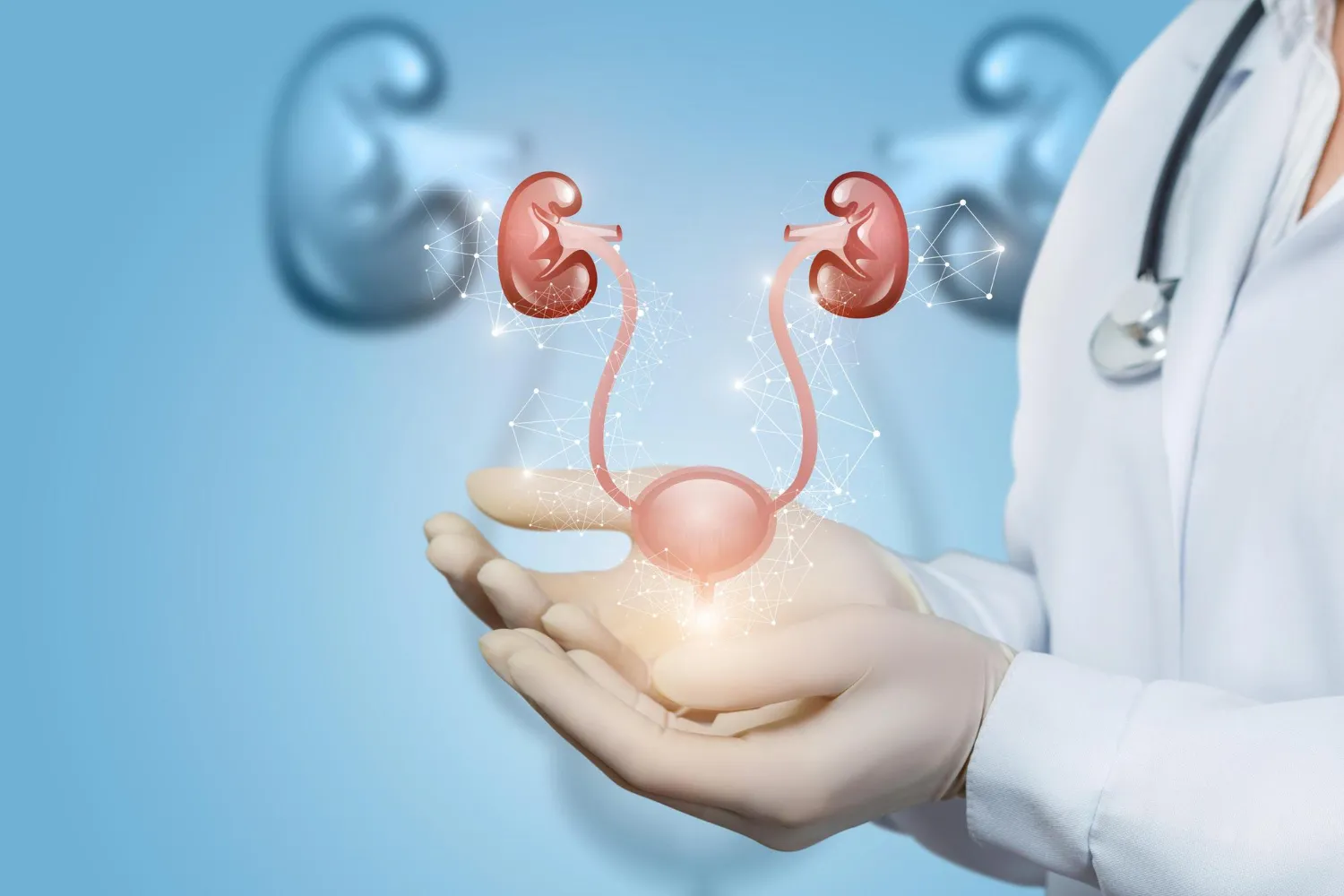








Kidney and urinary stones are among the most common urological conditions affecting both local and international patients seeking advanced and cost-effective treatment options. Across Africa, an increasing number of modern clinics and medical centers now offer world-class diagnostic and therapeutic solutions tailored to global standards. Medical tourists exploring treatment opportunities across the continent are discovering a growing network of specialized facilities equipped with the latest technologies, experienced multidisciplinary teams, and patient-centered care models that support seamless cross-border treatment journeys.
This comprehensive guide highlights what defines the best clinics for stone disease care in Africa—covering diagnostics, minimally invasive surgical techniques, technological capabilities, care pathways, and the advantages Africa offers to international patients.
Understanding Stone Disease: A Global and African Perspective
Stone disease, affecting the kidneys, ureters, and bladder, is a condition characterized by solid deposits formed from minerals and salts. In Africa, lifestyle changes, dietary habits, climate-related dehydration, and metabolic disorders contribute to rising incidence rates.
Many clinics across the continent have developed strong urology programs focusing on stone disease management. These centers emphasize early detection, accurate diagnosis, and minimally invasive treatment approaches to ensure high success rates and fast recovery—key priorities for medical tourists.
Key Features of Top African Clinics for Stone Disease
African clinics offering stone disease care have significantly advanced in diagnostic precision, surgical innovation, and post-treatment support. Below are the defining components that make these clinics globally competitive.
1. Advanced Diagnostics for Accurate Stone Evaluation
Successful treatment begins with accurate diagnosis. Leading clinics across Africa invest heavily in high-resolution imaging and metabolic evaluations that pinpoint stone type, size, and location.
Essential Diagnostic Tools Include:
• CT Urography (CT Scan)
High-resolution CT imaging provides 3D detail of stone composition, density, and anatomical complexity—critical for treatment planning.
• Ultrasound and Doppler Imaging
Useful for initial assessments, radiation-free imaging, and evaluating obstruction or hydronephrosis.
• Digital X-rays (KUB Studies)
Help determine radiopaque stones such as calcium oxalate or calcium phosphate stones.
• Full Metabolic and Urine Analysis
Top clinics provide metabolic testing to identify underlying causes such as hormonal imbalances, kidney dysfunction, or genetic factors.
• Endoscopic Evaluation (When Needed)
Flexible scopes allow visualization of the urinary tract when imaging is inconclusive.
For medical tourists, comprehensive pre-treatment evaluation is crucial, and many African clinics offer pre-arrival teleconsultations, virtual imaging reviews, and physician-guided case assessments to support international patients.
2. Minimally Invasive Stone Removal Techniques: A Growing Strength in Africa
African clinics have rapidly adopted minimally invasive urology technologies that reduce hospital stay, minimize complications, and increase patient comfort. These techniques place the continent alongside other global medical tourism hubs.
Key Procedures Offered Across Leading Clinics:
• Extracorporeal Shock Wave Lithotripsy (ESWL)
A non-invasive method that breaks stones using shock waves.
Benefits: No incisions, quick recovery, suitable for small to medium-sized stones.
• Ureteroscopy with Laser Lithotripsy (FURSL)
Flexible ureteroscopes and Holmium:YAG or Thulium lasers are used to access and fragment stones.
Benefits: High precision, ideal for ureteral and renal stones, low complication rates.
• Percutaneous Nephrolithotomy (PCNL)
A minimally invasive surgical technique for removing large or complex kidney stones.
Benefits: Best option for stones >2 cm, staghorn calculi, and hard-to-reach stones.
• Mini-PCNL & Ultra-Mini PCNL
Clinics increasingly offer miniaturized PCNL systems.
Benefits: Less bleeding, lower morbidity, shorter recovery times.
• Retrograde Intrarenal Surgery (RIRS)
Flexible digital scopes allow stone treatment entirely through natural openings.
Benefits: No incisions, effective for small to medium-sized renal calculi.
• Laparoscopic Stone Removal
Used when minimally invasive endoscopic procedures are not feasible.
Benefits: Precise removal with minimal scarring.
3. Technology Enhancing Treatment Success
The best African clinics are equipped with advanced stone management platforms such as:
• High-power laser systems (Holmium & Thulium)
These technologies fragment stones of all compositions—cholesterol, calcium oxalate, cystine, uric acid, or mixed stones—with minimal thermal damage.
• Digital flexible ureterorenoscopes
Provide enhanced vision, improved maneuverability, and detailed imaging for complex procedures.
• Ultrasound-guided PCNL access systems
Promote precision and safer access for kidney stone removal.
• Real-time fluoroscopy
Used for intraoperative imaging, guiding surgeons during stone extraction.
• Computer-aided diagnostic platforms
Support accurate measurement and tracking of stone burden.
Technology excellence is a key criterion for medical tourists seeking reliability, safety, and globally standardized treatment outcomes.
4. Comprehensive Care Pathways for Medical Tourists
African clinics increasingly offer structured care pathways tailored for international patients—ensuring smooth, predictable, and high-quality treatment experiences.
These pathways often include:
• Pre-Arrival Telemedicine Consultations
Detailed clinical discussions, imaging review, and treatment planning before travel.
• Dedicated International Patient Departments
Assistance with visa letters, airport transfers, appointments, and interpreter services.
• Streamlined Diagnostic Workups
Many clinics offer complete evaluation packages completed within 24–48 hours.
• Multidisciplinary Urology Teams
Including urologists, nephrologists, radiologists, anesthesiologists, and dieticians.
• Personalized Treatment Plans
Tailored based on stone complexity, patient history, travel duration, and postoperative needs.
• Post-Treatment Digital Follow-Up
Virtual consultations ensure continuity of care after the patient returns home.
5. Why Africa Is Emerging as a Strong Destination for Stone Disease Treatment
• Competitive Treatment Costs
Procedures such as ESWL, PCNL, and laser lithotripsy are generally more affordable than in Europe, the Gulf, or North America.
• Shorter Waiting Times
Many clinics offer immediate or rapid scheduling.
• Modern Infrastructure & Equipment
Rapid investments in minimally invasive surgical technologies make African centers increasingly attractive.
• Experienced Specialists
Urologists across Africa are often internationally trained and experienced in complex stone disease.
• Ideal for Combined Treatment & Travel
Patients can often undergo treatment and enjoy recovery in regions known for rest, wellness, or tourism opportunities.
6. Special Considerations for Medical Tourists Seeking Stone Disease Care in Africa
International patients should consider the following to ensure a smooth treatment experience:
1. Clinical Quality Standards
Review technology, treatment options, patient outcomes, and accreditation status (regional or international).
2. Surgeon Expertise & Case Volume
High-volume centers maintain better outcomes in PCNL, FURSL, and RIRS.
3. Cost Transparency
Obtain a clear breakdown of diagnostic tests, procedure costs, hospital stay, and postoperative medications.
4. Facility Infrastructure
Look for modern operating theaters, minimally invasive surgery equipment, and advanced imaging systems.
5. Postoperative Support
Ensure the clinic provides follow-up support, stent removal scheduling (if required), and emergency services.
6. Travel & Recovery Planning
Patients undergoing PCNL or ureteroscopy may require a short recovery period before flying.
7. Preventive Care Services Available at Leading African Clinics
Apart from treatment, many clinics emphasize prevention to reduce recurrence—especially important for international patients traveling long distances.
Prevention Programs Typically Include:
- Metabolic evaluation to understand stone formation risks
- Urine pH analysis and 24-hour urine studies
- Tailored dietary and hydration plans
- Medication protocols for uric acid or cystine stone prevention
- Long-term digital follow-up
Comprehensive preventive care reduces recurrence rates and enhances long-term outcomes.
Africa’s Growing Leadership in Stone Disease Management
In conclusion, Africa has rapidly emerged as a competitive destination for high-quality, technologically advanced kidney and urinary stone treatment. With modern diagnostics, refined minimally invasive techniques, patient-focused care models, and cost advantages, the continent is well positioned to attract global medical travelers seeking reliable and efficient stone disease management.
By choosing Africa’s leading clinics, international patients gain access to advanced imaging, innovative surgical technologies, and multidisciplinary expertise—delivering outcomes that meet global standards while offering excellent value and holistic patient care.
Ready to consult a top urology specialist and explore world-class treatment in South Africa? ProstaCare Travel connects you directly with leading urologists, including a no-obligation virtual consultation with Specialist Urologist Dr. Kalpee before you travel. Through bespoke treatment packages—including advanced procedures like HoLEP, Rezūm, and minimally invasive therapies—paired with full-service concierge care, ProstaCare ensures seamless medical travel from start to finish. With exceptional clinical standards, modern hospitals, and cost-effective pricing, you can access premium urological care without compromise. Click here to begin your journey with ProstaCare Travel: https://www.better.medicaltourism.com/facilitators-platform-single?facilitator=prostacare-travel


