


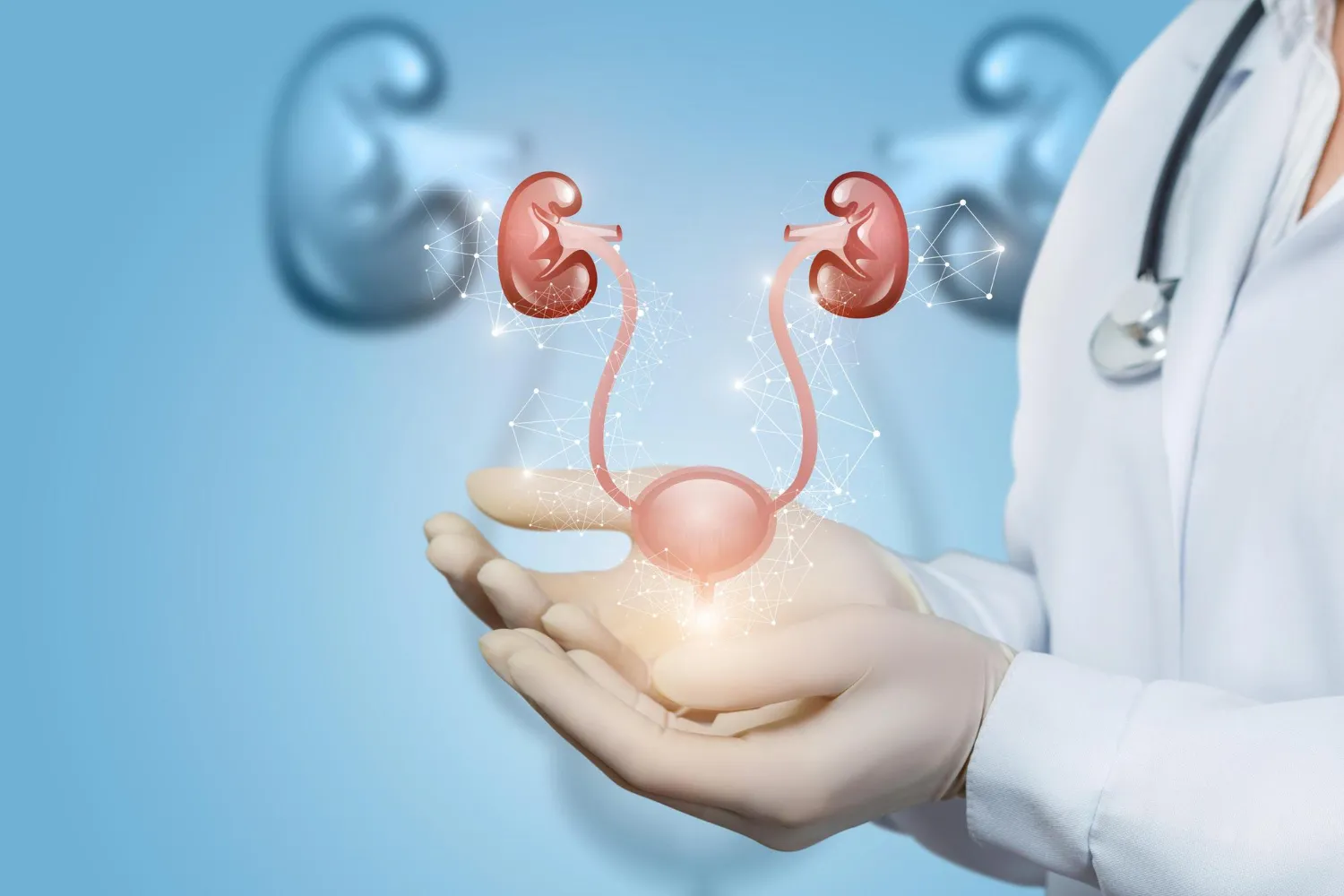








Prostate health has become an increasingly important topic among global patients, especially those seeking minimally invasive, high-precision treatments for benign prostatic hyperplasia (BPH), prostate cancer, prostatitis, and complex lower urinary tract symptoms (LUTS). In recent years, Africa has emerged as a powerful hub for urological and prostate-related care, offering advanced technology, internationally aligned clinical standards, competitive cost structures, and streamlined care pathways that appeal strongly to medical tourists.
This article provides an in-depth exploration of how the best clinics in Africa deliver comprehensive prostate care, the modern techniques shaping clinical excellence, and what makes the continent an increasingly preferred destination for international patients.
Why Africa Is Emerging as a Global Hub for Prostate Care
Africa's healthcare landscape has evolved significantly, with several regions investing heavily in modern diagnostic tools, skilled specialists, advanced surgical systems, and patient-centric designs that elevate the quality of urological care. Medical tourists benefit from:
1. Access to World-Class Technology
Leading clinics utilize equipment such as multiparametric MRI, high-resolution TRUS systems, advanced laser platforms for prostate surgery, 3D imaging tools, robotics-enabled operating suites, and sophisticated lab facilities. These advancements enable:
- Early and accurate detection of prostate disease
- Precise treatment planning
- Minimally invasive interventions
- Faster recovery and reduced complications
- Improved long-term outcomes
2. Highly Skilled Urology Specialists
Across Africa, prostate care teams now include fellowship-trained urologists, oncologists, radiologists, specialized nurses, continence therapists, and rehabilitation experts. Their multidisciplinary expertise ensures safe management of both routine and high-complexity prostate disorders.
3. Cost-Effective Treatment Models
Compared to Europe, North America, and parts of the Middle East, African countries offer significantly more affordable treatment packages—without compromising clinical outcomes. This cost advantage makes Africa particularly appealing for patients with chronic prostate conditions that require repeat consultations or complex interventions.
4. Strong Focus on Minimally Invasive Care
Top clinics emphasize minimally invasive procedures, leading to:
- Shorter hospital stays
- Reduced pain
- Lower risk of bleeding
- Faster return to normal activities
This trend aligns perfectly with global patient preferences.
Comprehensive Diagnostic Ecosystems in Africa’s Top Prostate Clinics
Accurate diagnosis is the foundation of successful prostate care. The best clinics follow international diagnostic protocols and use cutting-edge tools such as:
1. Prostate-Specific Antigen (PSA) Testing
Advanced laboratories provide:
- Total PSA
- Free-to-total PSA ratios
- PSA density
- Longitudinal monitoring for risk assessment
2. Digital Rectal Examination (DRE)
Still considered a vital component of prostate evaluation, conducted by skilled urologists trained to identify subtle abnormalities.
3. Multiparametric MRI (mpMRI)
A gold standard for prostate cancer detection, mpMRI combines T2-weighted imaging, diffusion-weighted imaging, and dynamic contrast enhancement to identify clinically significant lesions.
4. MRI–Ultrasound Fusion Biopsy
This advanced technique allows precise sampling of suspicious prostate areas, reducing unnecessary biopsies and improving cancer detection rates.
5. Uroflowmetry and Urodynamic Studies
Used to evaluate lower urinary tract symptoms, bladder function, and obstruction severity.
6. Transrectal or Transperineal Prostate Biopsy
Leading clinics increasingly adopt the transperineal approach for reduced infection risks and higher diagnostic accuracy.
Advanced Treatment Options for Prostate Conditions in Africa
Top clinics in Africa offer a wide spectrum of treatments to manage the full range of prostate disorders—from benign conditions to complex cancers. Treatments include:
1. Minimally Invasive Treatments for BPH (Benign Prostatic Hyperplasia)
a. Laser-Based Procedures
Laser surgery has become highly popular due to precision, safety, and rapid recovery. Clinics commonly use:
- Holmium Laser Therapy
- Thulium Laser Enucleation
- GreenLight Laser Vaporization
Benefits include minimal bleeding, excellent urinary flow improvement, and suitability for high-risk patients.
b. Bipolar TURP (Transurethral Resection of the Prostate)
A more modern and safer evolution of traditional TURP, especially effective for moderate to large prostates.
c. Prostatic Urethral Lift Techniques
Minimally invasive implants help widen the urethra without removing tissue.
d. Water Vapor Therapy and Advanced Ablation Therapies
Innovative clinics offer heat-based systems with minimal downtime.
2. Prostate Cancer Treatments
Africa’s best clinics adopt a multidisciplinary and technology-driven approach to treating localized and advanced prostate cancer.
a. Robotic and Laparoscopic Prostatectomy
Minimally invasive surgery offers:
- Smaller incisions
- Faster healing
- Reduced risk of urinary incontinence
- Improved erectile function preservation
b. External Beam Radiation Therapy (EBRT)
Using advanced platforms such as:
- IMRT (Intensity-Modulated Radiotherapy)
- IGRT (Image-Guided Radiotherapy)
- VMAT (Volumetric Modulated Arc Therapy)
These techniques deliver high radiation doses precisely while sparing healthy tissues.
c. Brachytherapy
Internal radiation seeds provide excellent outcomes in early-stage prostate cancer cases.
d. Cryotherapy and HIFU (High-Intensity Focused Ultrasound)
Used for targeted destruction of cancer cells with minimal side effects.
e. Hormone Therapy and Targeted Therapies
For advanced cancer stages, clinics offer:
- Androgen deprivation therapy
- Novel hormone agents
- Targeted cancer drugs
- Immunotherapy options
3. Prostatitis and Male Pelvic Pain Syndrome
Top clinics treat chronic prostatitis and pelvic pain through:
- Comprehensive microbial diagnostics
- Anti-inflammatory and antibiotic regimens
- Pelvic floor physiotherapy
- Neuromodulation
- Lifestyle modification programs
These approaches align with international best practices for chronic pelvic pain syndromes.
What Defines the Best Clinics in Africa for Prostate Disorders?
To understand what sets exceptional clinics apart, medical tourism professionals should evaluate the following attributes:
1. Multidisciplinary Urology Units
A leading clinic integrates urologists, radiologists, oncologists, rehabilitation specialists, continence nurses, psychologists, and sexual health experts. This ensures holistic management—especially essential for diseases like prostate cancer or severe BPH.
2. State-of-the-Art Surgical and Diagnostic Technology
Top African clinics often feature:
- Robotic surgical platforms
- Advanced laser systems
- High-resolution endoscopic tools
- 3 Tesla MRI suites
- Fusion biopsy technologies
- Real-time imaging systems
This enhances surgical precision, diagnostic accuracy, and overall patient outcomes.
3. Patient-Centered Care Models
International patients increasingly prioritize:
- Dedicated international patient coordinators
- Streamlined pre-arrival assessment
- Comprehensive treatment packages
- Culturally sensitive care
- Transparent pricing
- Post-treatment telehealth support
African clinics are highly competitive in these areas.
4. Infection Control & Quality Assurance Standards
Leading clinics invest significantly in:
- Modern sterilization systems
- Rigorous infection prevention protocols
- Standardized post-operative monitoring
- Continual training of clinical staff
This commitment ensures safe, high-quality outcomes.
5. Enhanced Recovery Programs (ERAS)
These programs reduce complications and speed up recovery after prostate surgery through:
- Optimized anesthesia
- Early mobilization
- Nutritional support
- Minimally invasive techniques
- Evidence-based postoperative management
6. Diagnostic Integration & Digital Health Tools
Innovative clinics offer:
- Digital health records
- Remote consultations
- Real-time patient updates
- Advanced reporting systems
These features appeal especially to overseas patients who require continuity of care.
Popular African Destinations for Prostate Care
While this article does not name specific clinics or hospitals, certain regions in Africa are well-recognized for offering high-quality prostate treatments:
- Southern Africa: Renowned for advanced urological technology and strong surgical expertise
- North Africa: Popular for minimally invasive prostate procedures and oncology care
- East Africa: Growing rapidly in urological services and diagnostic excellence
- West Africa: Developing strong oncology and prostate screening programs
These regions attract patients seeking both affordability and advanced treatment options.
Why International Patients Choose Africa for Prostate Treatment
1. Cost Savings Without Quality Compromise
Patients from Europe, Gulf countries, and North America often save 40–70% on prostate procedures.
2. Shorter Waiting Times
Unlike long waiting lists in some countries, Africa’s leading clinics offer rapid scheduling.
3. Personalized Care & Hospitality
African medical centers are widely praised for compassionate patient engagement, culturally aligned communication, and warm hospitality.
4. Access to Minimally Invasive & Innovative Treatments
Many clinics offer advanced prostate techniques comparable to global centers of excellence.
Key Considerations for Medical Tourism Professionals
To guide patients effectively, industry professionals should assess:
1. Technology & Equipment
Ensure the clinic offers up-to-date diagnostic and therapeutic platforms.
2. Doctor Credentials & Training
While this article avoids naming individuals, professionals should verify fellowship training and years of experience.
3. Treatment Outcomes & Patient Feedback
Success rates, recovery times, and complication data should be analyzed.
4. International Patient Programs
Look for centers with strong support services tailored to medical travelers.
5. Post-Treatment Rehabilitation
Prostate surgery requires pelvic floor therapy, continence support, and sexual health counseling, which top clinics provide onsite or through structured programs.
In conclusion, Africa has emerged as a powerful, innovative, and patient-friendly destination for prostate care, offering world-class technology, highly skilled specialists, and cost-effective treatment pathways that rival global standards. With advancements in diagnostic imaging, minimally invasive surgery, laser technologies, and oncology services, the continent is positioned as a leading choice for medical tourists seeking comprehensive and high-quality prostate care.
Ready to consult a top urology specialist and explore world-class treatment in South Africa? ProstaCare Travel connects you directly with leading urologists, including a no-obligation virtual consultation with Specialist Urologist Dr. Kalpee before you travel. Through bespoke treatment packages—including advanced procedures like HoLEP, Rezūm, and minimally invasive therapies—paired with full-service concierge care, ProstaCare ensures seamless medical travel from start to finish. With exceptional clinical standards, modern hospitals, and cost-effective pricing, you can access premium urological care without compromise. Click here to begin your journey with ProstaCare Travel: https://www.better.medicaltourism.com/facilitators-platform-single?facilitator=prostacare-travel


