


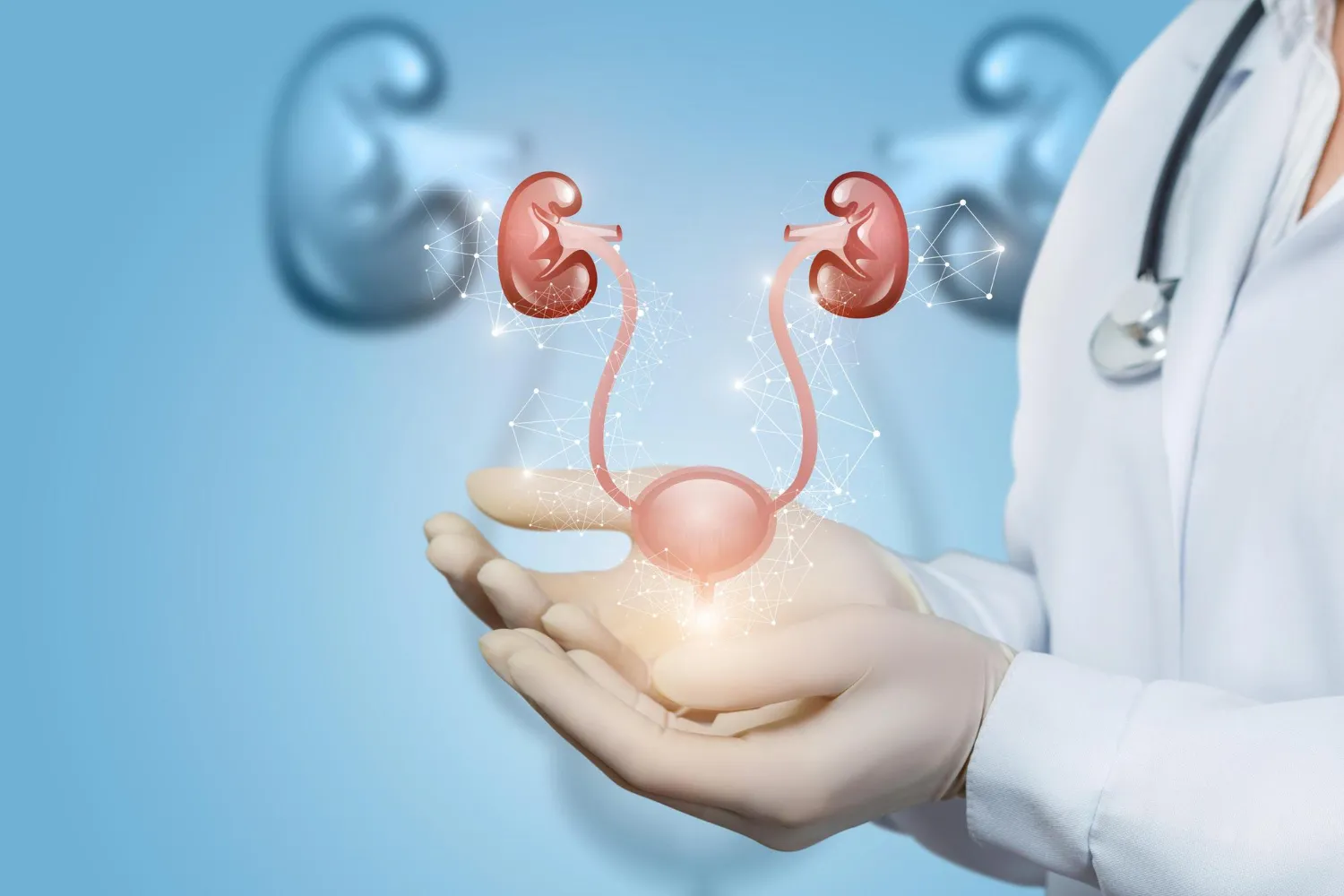








Recurrent urinary tract infections (UTIs) represent one of the most persistent and challenging urological conditions faced by patients worldwide. Defined as three or more UTIs within 12 months or two or more within six months, these infections can significantly affect quality of life and may indicate underlying issues that require specialized evaluation. Africa has steadily become a competitive destination for recurrent UTI treatment, driven by advancements in diagnostic technologies, experienced urology teams, improved infection-control systems, and clinics equipped to support international patients seeking high-quality and affordable care.
This comprehensive article explores why Africa is emerging as a hub for recurrent UTI management, the diagnostic and treatment technologies available, what international patients can expect during their medical journey, and key factors to consider when selecting a clinic.
Understanding Recurrent UTIs: Why Specialized Care Is Essential
While many UTIs are simple infections that resolve with basic treatment, recurrent UTIs demand deeper clinical investigation, as they often involve:
- Persistent bacterial reservoirs
- Underlying structural abnormalities
- Hormonal changes
- Postmenopausal factors
- Bladder dysfunction
- Kidney stones
- Immunosuppression
- Microbiome imbalances
- Sexual health factors
- Chronic pelvic floor issues
Because recurrent UTIs may have multiple interconnected causes, Africa’s top clinics use multidisciplinary care models, bringing together urologists, infectious disease specialists, radiologists, microbiologists, and women’s health experts to deliver comprehensive evaluation and long-term management.
Why Africa Is Becoming a Medical Tourism Destination for Recurrent UTI Treatment
Several strategic advantages have positioned Africa as a strong contender in the global medical tourism landscape:
1. Advanced Diagnostics at Competitive Costs
High-standard clinics across Africa offer diagnostic technologies that match those of established global destinations, including:
- Urine PCR testing for identifying difficult-to-detect bacteria
- Antibiotic sensitivity profiling for targeted treatment
- Cystoscopy and digital ureteroscopy
- Renal and bladder ultrasound
- CT urography for complex cases
- Uroflowmetry and urodynamic studies
- Pelvic floor assessment
These services are often available at significantly lower costs than in Europe, the Middle East, or North America.
2. Multidisciplinary, Evidence-Based Treatment
African clinics increasingly follow international guidelines for recurrent UTI management, integrating:
- Targeted antibiotics
- Hormonal therapy when indicated
- Bladder instillations
- Probiotics and preventive regimens
- Sexual health guidance
- Stone disease screening and removal
- Pelvic floor therapies
- Behavioral bladder retraining
This holistic approach reduces the chances of recurrence and promotes long-term urinary health.
3. Modern Infrastructure and Infection Control
Quality clinics in Africa invest heavily in:
- State-of-the-art procedure rooms
- Advanced sterilization technologies
- Dedicated women’s health units
- Specialized urology departments
- Rapid microbiology labs
These enhancements ensure accuracy in diagnosis and safety in care—critical for treating recurrent infections.
4. Patient-Centric Medical Tourism Services
Many African healthcare providers now offer:
- International patient coordinators
- Assistance with travel, accommodation, and airport transfers
- Translation services
- Teleconsultations before and after treatment
- Seamless digital follow-up
This makes the treatment journey easier for global patients traveling for UTI care.
Key Clinical Services for Recurrent UTI Patients in Africa
The continent offers a variety of specialized services designed to treat both the infection and its root causes.
1. High-Precision Microbiological Testing
Labs in leading clinics utilize:
- Multiplex PCR
- Mycoplasma/Ureaplasma detection
- Fungal culture and sensitivity testing
- Extended-spectrum beta-lactamase (ESBL) screening
This ensures accurate identification of resistant organisms, which is essential for recurrent cases.
2. Imaging and Diagnostics
Common imaging modalities include:
- Renal & bladder ultrasound
- CT scan (non-contrast or contrast-enhanced)
- Intravenous pyelography
- MRI for complex pelvic anatomy
- Cystoscopy for structural evaluation
These tools help clinicians detect stones, strictures, or abnormalities contributing to repeated infections.
3. Minimally Invasive Procedures
Common procedures available include:
- Cystoscopy to inspect the bladder
- Urethral dilation for strictures
- Stone removal or laser lithotripsy
- Drainage procedures if needed
- Pelvic floor rehabilitation programs
Minimally invasive therapies allow quicker recovery, ideal for travelling patients.
4. Preventive and Long-Term Management
Clinics emphasize prevention through:
- Prophylactic antibiotics when needed
- Estrogen therapy for postmenopausal women
- Hydration and behavioral protocols
- Lifestyle and hygiene counseling
- Dietary modifications to reduce recurrence
- Cranberry extract and D-mannose protocols
- Immune-enhancing supplements
African Regions Known for Excellence in Recurrent UTI Care
Several regions in Africa stand out due to their infrastructure, medical expertise, and medical tourism readiness.
1. Southern Africa
Known for its well-developed private healthcare sector, Southern Africa offers:
- Modern diagnostic laboratories
- Specialized urology departments
- Access to advanced imaging
- Clinics with international patient services
This region attracts patients seeking both affordability and high medical standards.
2. North Africa
Countries in this region benefit from:
- Strong medical education systems
- Proximity to Europe and the Middle East
- Multilingual medical professionals
- Competitive pricing for urology treatments
Recurrent UTI patients often travel here for comprehensive women’s health and advanced urological evaluations.
3. East Africa
East Africa has seen rapid growth in healthcare investment, with clinics offering:
- High-quality urological diagnostics
- Skilled specialists in recurrent UTI management
- Modern laboratory facilities
- Holistic care approaches integrating diet, lifestyle, and pelvic health
4. West Africa
Clinics in urban West African centers provide:
- Experienced urology teams
- Digital diagnostics and tele-urology support
- Streamlined patient services
- Preventive care programs and advanced lab testing
The region appeals to patients from across Africa and the diaspora.
What International Patients Should Expect During Treatment
Travelling for recurrent UTI treatment requires understanding the clinical steps involved. Most African clinics follow a structured pathway:
Step 1: Pre-Arrival Consultation
Patients typically receive:
- Preliminary assessments
- Review of medical records
- Recommendations for diagnostic tests
- Cost estimates and expected timelines
Step 2: In-Person Evaluation
Upon arrival, clinicians perform:
- Physical examination
- Complete urine analysis
- PCR and culture tests
- Imaging studies
- Cystoscopy (if indicated)
Step 3: Tailored Treatment Plan
A personalized plan may include:
- Targeted antibiotics
- Supplement protocols
- Vaginal estrogen (for eligible women)
- Bladder instillations
- Pelvic floor therapy
- Minimally invasive procedures
Step 4: Monitoring & Follow-Up
Clinics offer:
- Repeat urine tests
- Progress checks
- Virtual follow-up consultations
- Maintenance plans to prevent recurrence
How to Choose the Best Clinic in Africa for Recurrent UTIs
International patients should consider the following criteria:
1. Availability of Advanced Diagnostics
Look for:
- PCR testing
- Antibiotic sensitivity labs
- Cystoscopy equipment
- Imaging facilities on-site
2. Experience in Recurrent UTI Cases
Choose clinics with:
- Dedicated urology units
- Access to women’s health specialists
- A record of treating persistent infections
3. Medical Tourism Support
Key services include:
- International coordinators
- Airport transfers
- Assistance with accommodation
- Translation support
4. Focus on Long-Term Management
Clinics that emphasize prevention, lifestyle adjustments, and follow-up provide better long-term outcomes.
5. Transparent Pricing
Clear estimates help patients plan their journey without financial surprises.
To conclude, Africa has grown into a strong medical tourism destination for recurrent UTI treatment, thanks to advanced diagnostic capabilities, multidisciplinary care models, modern urology services, and patient-friendly support systems. With competitive costs, experienced clinicians, and increasing investment in healthcare infrastructure, the continent offers international patients an effective, safe, and accessible pathway to overcoming chronic urinary infections.
Whether seeking high-precision testing, minimally invasive procedures, or long-term infection prevention programs, patients can expect world-class care across multiple African regions—making the continent an increasingly preferred choice for recurrent UTI management.
Ready to consult a top urology specialist and explore world-class treatment in South Africa? ProstaCare Travel connects you directly with leading urologists, including a no-obligation virtual consultation with Specialist Urologist Dr. Kalpee before you travel. Through bespoke treatment packages—including advanced procedures like HoLEP, Rezūm, and minimally invasive therapies—paired with full-service concierge care, ProstaCare ensures seamless medical travel from start to finish. With exceptional clinical standards, modern hospitals, and cost-effective pricing, you can access premium urological care without compromise. Click here to begin your journey with ProstaCare Travel: https://www.better.medicaltourism.com/facilitators-platform-single?facilitator=prostacare-travel


