


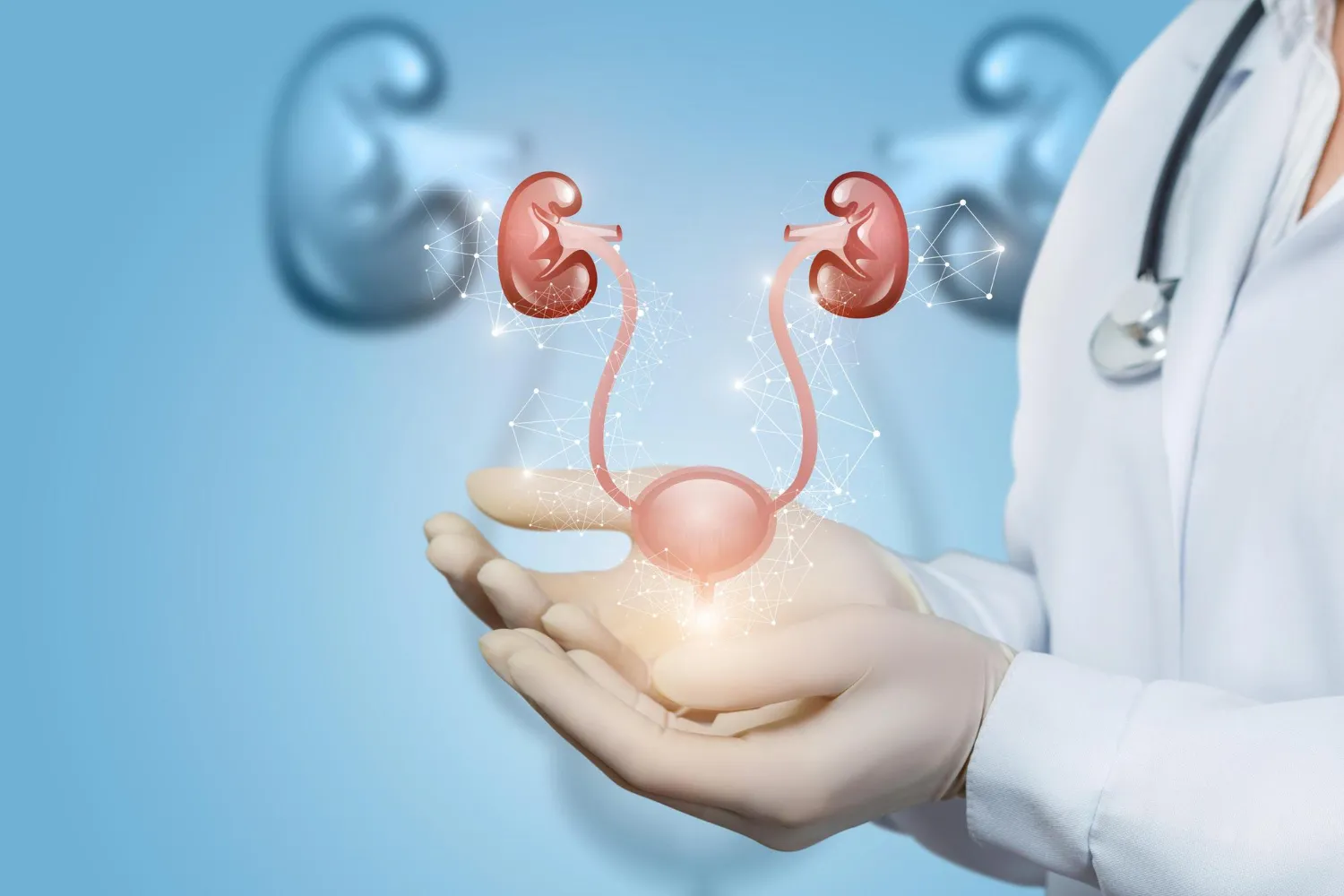








Minimally invasive kidney stone surgery continues to transform urological care worldwide, and Africa is emerging as a strong destination for patients seeking advanced stone management solutions. With techniques such as Percutaneous Nephrolithotomy (PCNL), Mini-PCNL, Ultra-Mini PCNL, and laser-assisted stone fragmentation gaining traction, Africa’s top surgeons are increasingly recognized for their precision, innovation, and patient-centered care. This article offers an in-depth overview of PCNL expertise across the continent—without referencing individual doctors or hospitals—focusing instead on the clinical competencies, technologies, and quality benchmarks that define Africa’s most skilled minimally invasive kidney stone surgeons.
Understanding PCNL and Its Growing Role in Kidney Stone Care
Percutaneous Nephrolithotomy (PCNL) is the gold standard for managing large, complex, or impacted kidney stones. Unlike conventional open surgery, PCNL offers targeted stone removal through a keyhole-sized incision in the flank, minimizing tissue disruption. Surgeons specializing in PCNL are trained to navigate the renal anatomy with high accuracy, using real-time imaging and advanced endoscopic tools.
Over time, PCNL has evolved into multiple refined versions:
Mini-PCNL
Uses smaller instruments to reduce bleeding, postoperative pain, and hospital stays.
Ultra-Minimally Invasive PCNL
Prioritizes extremely small tracts, especially beneficial for pediatric and low-risk adult patients.
Supine PCNL
Allows the patient to remain on their back, improving anesthesia access and reducing repositioning risks.
ECIRS (Endoscopic Combined Intrarenal Surgery)
Combines flexible ureteroscopy with PCNL for complex stones, enhancing stone-free rates.
These advancements demand highly specialized skills. Africa’s top surgeons in minimally invasive kidney stone surgery generally demonstrate mastery across these approaches, optimizing outcomes for both local and international patients.
Why Africa Is Becoming a Preferred Destination for Minimally Invasive Kidney Stone Surgery
1. Increasing Access to Cutting-Edge Urological Technology
Many African centers have invested significantly in:
- High-resolution fluoroscopy units
- Intrarenal pressure-controlled irrigation systems
- Laser lithotripters for fragmentation
- Advanced endoscopic towers
- Micro-PCNL instruments
These upgrades enable surgeons to perform complex stone removal procedures with the same precision seen in high-income regions.
2. Surgeons with International Training and Subspecialty Expertise
Africa’s top urology surgeons often undergo fellowship training in endourology, renal stone disease, and minimally invasive surgery. Their backgrounds typically include:
- Expertise in PCNL, RIRS (Retrograde Intrarenal Surgery), and FURSL
- Participation in clinical research and technological innovation
- Continuous professional development through global surgical workshops
3. Competitive Pricing for International Patients
Medical tourists benefit from significantly lower procedure costs while receiving world-class expertise. PCNL packages in Africa are often a fraction of those in Western countries, including imaging, surgery, hospital stay, and follow-up.
4. Improved Patient Care Pathways
Leading centers across Africa have adopted standardized kidney stone care pathways involving:
- Rapid diagnostic imaging
- Evidence-based treatment decision algorithms
- Enhanced recovery protocols
- Detailed pre- and post-operative counseling
The streamlined patient flow is particularly attractive for international patients seeking timely intervention.
Skillsets That Define the Best Minimally Invasive Kidney Stone Surgeons in Africa
Top-tier PCNL surgeons across the continent typically excel in the following areas:
1. Mastery of Access Techniques
Gaining percutaneous access is one of the most technically demanding parts of PCNL. Expert surgeons exhibit:
- Precision in selecting calyceal puncture sites
- Safe dilatation techniques
- Proficiency in ultrasound-guided and fluoroscopy-guided access
2. Versatility in Complex Stone Management
Experienced surgeons successfully manage:
- Staghorn calculi
- Multiple calculi in different calyces
- Hard stones such as calcium oxalate monohydrate
- Stones in obese or high-risk patients
3. Expertise in Laser Technology
Holmium:YAG and Thulium laser lithotripsy has become integral to stone fragmentation. Leading surgeons are well-versed in:
- Dusting vs. fragmentation strategies
- Power modulation
- Low-pressure irrigation techniques
4. Low Complication and High Stone-Free Rates
Africa’s best surgeons maintain:
- Low rates of bleeding and postoperative infection
- Minimal need for auxiliary procedures
- High success in single-session stone clearance
These outcome measures are central to medical tourism benchmarking.
How Minimally Invasive Kidney Stone Surgeons in Africa Manage International Patients
International patients seeking PCNL expertise often prioritize structured care. Africa’s leading surgeons typically offer:
1. Remote Pre-Consultation and Case Evaluation
Patients share CT scans and medical records for initial assessment, allowing surgeons to determine suitability for:
- PCNL
- Mini-PCNL
- RIRS
- Shockwave lithotripsy (if indicated)
2. Personalized Treatment Planning
Surgeons tailor technique selection based on:
- Stone size and density
- Anatomical considerations
- Patient comorbidities
- Previous abdominal or renal surgeries
3. Reduced Hospital Stay
Most minimally invasive kidney stone surgeries require:
- 1–3 days of hospital admission
- Early mobilization and diet progression
- Optional ureteric stent placement, removed after 7–14 days
4. Comprehensive Follow-Up
International patients receive:
- Updated medical reports
- Advice on hydration, diet, and stone prevention
- Virtual follow-up consultations
Key Technologies Driving the Success of PCNL and Minimally Invasive Surgery in Africa
1. Laser Lithotripsy Systems
High-powered laser systems ensure efficient stone dusting with minimal collateral injury.
2. Digital Nephroscopes and Flexible Ureteroscopes
Modern devices offer superior optics, enabling surgeons to navigate even the smallest calyces.
3. Pressure-Controlled Irrigation
Maintains safety by preventing high intrarenal pressures that increase infection risks.
4. Miniaturized Access Sets
New-generation Mini and Ultra-Mini PCNL systems reduce:
- Tissue trauma
- Blood loss
- Recovery time
5. Advanced Imaging Technology
Rapid 3D imaging, fluoroscopy, and ultrasound support precise real-time decision-making.
Benefits of Choosing African Specialists for Minimally Invasive Kidney Stone Surgery
1. High Surgical Precision with Minimal Trauma
PCNL and its variants offer:
- Small skin incisions
- Low postoperative pain
- High clearance rates for large stones
2. Faster Return to Normal Activities
Unlike traditional open surgery, recovery is significantly shorter.
3. Affordable but High-Quality Surgical Care
Africa’s strong balance of quality and affordability appeals particularly to medical tourists.
4. Access to Surgeons Experienced in Complex Scenarios
Top African surgeons are often accustomed to complex kidney stone presentations due to regional variations in stone prevalence.
5. Culturally Sensitive and Patient-Focused Care
Patient comfort, clear communication, and individualized planning are prioritized across leading centers.
How to Choose the Best Minimally Invasive Kidney Stone Surgeon in Africa
International patients should evaluate a surgeon based on:
1. PCNL Case Volume and Outcomes
Higher case volumes often correlate with improved safety and expertise.
2. Range of Minimally Invasive Techniques Offered
Surgeons skilled in multiple techniques can offer the most suitable solution for each patient.
3. Availability of Modern Stone Management Technology
Ensure access to:
- Holmium or Thulium laser systems
- High-resolution imaging
- Mini-PCNL equipment
4. Experience with International Patients
Important indicators include:
- Multilingual support
- Transparent cost estimates
- Flexible scheduling
5. Pre- and Post-Operative Protocols
Structured pathways improve outcomes and recovery.
In conclusion, Africa is rapidly positioning itself as a hub for advanced minimally invasive kidney stone surgery, especially for PCNL and its newer, refined versions. With skilled surgeons, growing technological capability, competitive pricing, and excellent patient care standards, the continent offers significant value for both local and international patients seeking kidney stone solutions. Its leading minimally invasive surgeons combine precision, innovation, and a patient-centered approach—making Africa a promising destination for high-quality kidney stone management.
Ready to consult a top urology specialist and explore world-class treatment in South Africa? ProstaCare Travel connects you directly with leading urologists, including a no-obligation virtual consultation with Specialist Urologist Dr. Kalpee before you travel. Through bespoke treatment packages—including advanced procedures like HoLEP, Rezūm, and minimally invasive therapies—paired with full-service concierge care, ProstaCare ensures seamless medical travel from start to finish. With exceptional clinical standards, modern hospitals, and cost-effective pricing, you can access premium urological care without compromise. Click here to begin your journey with ProstaCare Travel: https://www.better.medicaltourism.com/facilitators-platform-single?facilitator=prostacare-travel


