


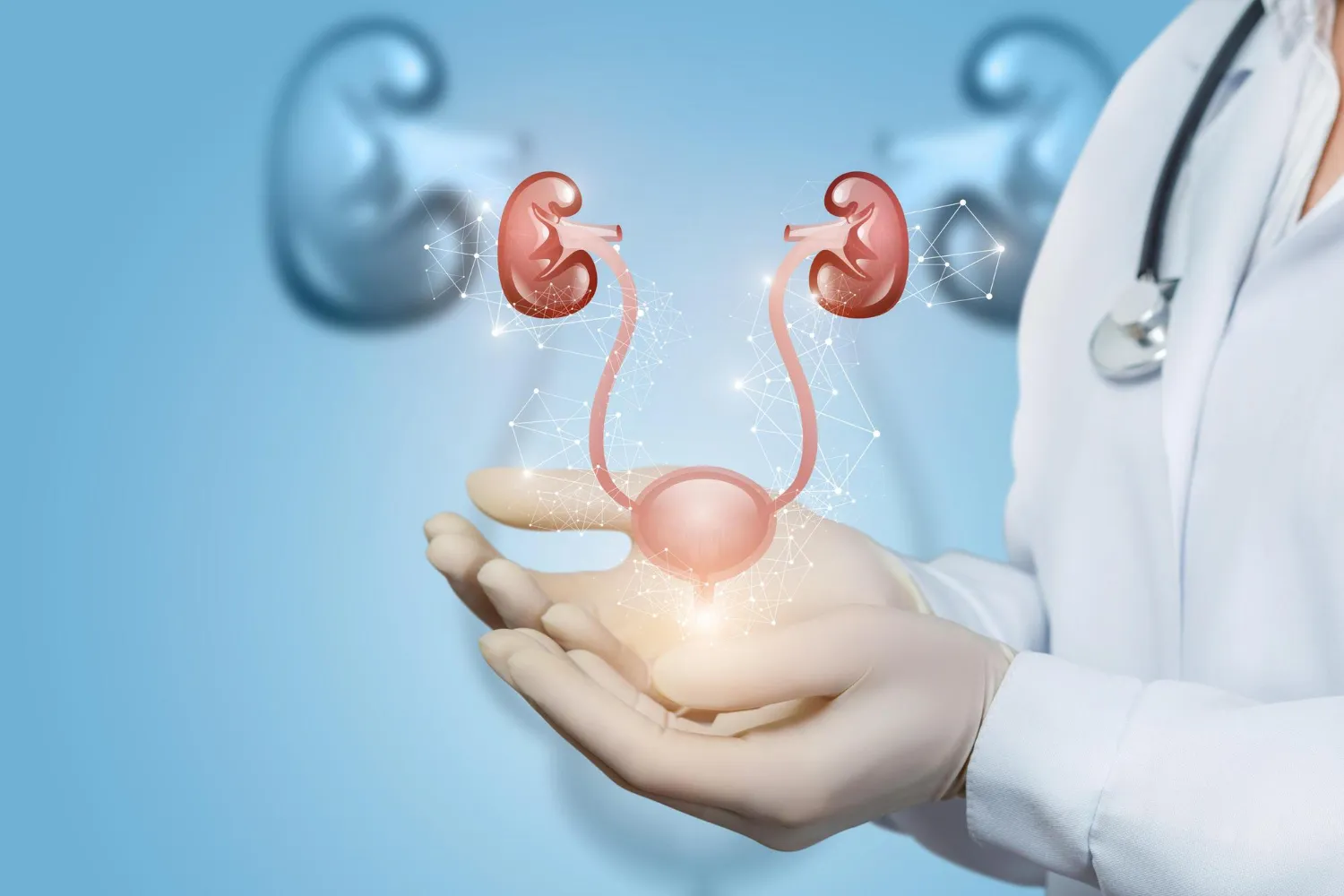








Kidney and urinary stones are among the most common urological conditions affecting adults worldwide, and Africa is rapidly gaining recognition for offering highly specialized stone disease care. With the continent’s growing investment in modern medical infrastructure, advanced minimally invasive procedures, and internationally trained urology specialists, Africa is positioning itself as an emerging hub for medical travelers seeking high-quality and affordable treatment for kidney and urinary stones.
This article provides an in-depth analysis of what defines Africa’s leading stone disease specialists, the technologies and techniques commonly used, and why international patients increasingly look to the continent for comprehensive and safe urological care. The content focuses 100% on education and industry insights—without mentioning specific doctors or hospitals—ensuring it remains relevant for medical tourism professionals.
Understanding Stone Disease: A Global & Regional Overview
Kidney and urinary stones form when minerals in the urine crystallize and build up within the urinary tract. If untreated, they may lead to severe pain, infections, obstruction of urine flow, and reduced kidney function. Global data shows rising prevalence due to lifestyle changes, climate-related dehydration, and higher rates of metabolic disorders.
In Africa, stone disease patterns vary based on climate, diet, genetics, and hydration levels. Hot regions tend to see more cases due to chronic dehydration, while urban centers report increasing cases linked to dietary changes and sedentary lifestyles. The demand for advanced urological care has pushed many African countries to expand their capabilities in endourology, minimally invasive surgery, and comprehensive stone disease management.
Why Africa Is Emerging as a Destination for Stone Disease Treatment
Africa has invested significantly in healthcare modernization, leading to improved outcomes in urology and nephrology. Several factors contribute to the continent’s growing reputation in kidney and urinary stone care:
1. Advanced Minimally Invasive Surgery Capabilities
Top stone disease specialists across Africa are widely trained in state-of-the-art, minimally invasive techniques such as:
- Percutaneous Nephrolithotomy (PCNL)
- Mini-PCNL and Ultra-Mini PCNL
- Flexible Ureteroscopy (FURS / FURSL)
- Laser Lithotripsy (Holmium:YAG, Thulium Fiber Laser)
- Retrograde Intrarenal Surgery (RIRS)
- Shockwave Lithotripsy (SWL)
These procedures offer faster recovery, less pain, minimal scarring, and shorter hospital stays—aligning perfectly with the needs of medical travelers.
2. Growing Number of Fellowship-Trained Urologists
Many specialists undergo advanced training in endourology, reconstructive urology, or minimally invasive surgery in Europe, Asia, or the Middle East before practicing in African centers. This contributes to:
- Standardized clinical protocols
- High surgical success rates
- Adoption of cutting-edge technologies
3. High Patient Volume for Stone Disease
High case numbers lead to:
- Better experience and surgical precision
- Ability to manage complex stones
- Familiarity with rare anatomical variations
4. Cost-Effective Treatment for International Patients
Compared to Europe or North America, Africa offers:
- Lower surgical and hospitalization costs
- Affordable diagnostic imaging
- Accessible post-operative care
Medical tourism professionals find Africa an excellent destination for patients seeking high-quality but cost-efficient stone disease management.
5. Improvements in Diagnostic and Imaging Infrastructure
Advanced imaging modalities now available across many African countries include:
- High-resolution ultrasound
- CT urography
- Low-dose CT stone protocol imaging
Accurate imaging improves diagnostic precision and helps specialists decide the most suitable treatment path.
Common Kidney & Urinary Stone Treatments Available in Africa
Africa’s leading stone disease specialists offer a full spectrum of treatments, from conservative management to advanced surgical options. Below is a detailed look at the most commonly performed procedures.
1. Medical Management & Prevention Strategies
Early-stage stones or small calculi may be managed with:
- Hydration therapy
- Pain management
- Alpha-blockers to facilitate stone passage
- Metabolic evaluation to identify underlying causes
Specialists often create personalized prevention plans including dietary adjustments, metabolic workups, and lifestyle modifications.
2. Extracorporeal Shockwave Lithotripsy (ESWL / SWL)
ESWL is widely available across Africa and remains the first-line option for:
- Small to medium-sized stones
- Non-complex renal or ureteric stones
- Patients seeking non-invasive treatment
The technology uses targeted acoustic waves to break stones into small fragments that pass naturally through urine.
3. Flexible Ureteroscopy & Laser Lithotripsy (FURS / FURSL)
Flexible ureteroscopy allows specialists to reach stones in nearly any part of the urinary tract. Laser systems such as Holmium:YAG or Thulium Fiber Laser fragment stones into dust-like particles ("dusting technique").
Ideal for:
- Ureteric stones
- Small to medium kidney stones
- Patients unsuitable for ESWL
This is one of the fastest-growing specialties across African urology centers.
4. Retrograde Intrarenal Surgery (RIRS)
RIRS is increasingly common due to new-generation digital ureteroscopes. It is ideal for stones in difficult-to-reach locations, and for patients prioritizing minimal downtime.
Benefits include:
- No incision
- Short hospital stay
- High clearance rates for stones <2 cm
5. Percutaneous Nephrolithotomy (PCNL)
PCNL is the preferred procedure for:
- Large kidney stones
- Staghorn calculi
- Stones resistant to other treatments
Many African centers now offer:
- Mini-PCNL
- Ultra-mini PCNL
- Tubeless PCNL
PCNL expertise is a key factor in choosing top specialists, as it requires precision, experience, and advanced equipment.
Technologies Used by Africa’s Leading Stone Disease Specialists
The quality of stone disease care depends heavily on technology. African specialists increasingly rely on:
High-Power Laser Platforms
- Holmium:YAG lasers
- Thulium fiber lasers
These are used for effective stone dusting and fragmentation, offering shorter procedure times and enhanced safety.
Digital Flexible Ureteroscopes
The latest scopes offer:
- Better visualization
- Greater maneuverability
- Improved access to lower pole stones
Miniaturized PCNL Systems
Mini-assist devices reduce surgical trauma while maintaining high stone clearance rates.
Intraoperative Ultrasound & Fluoroscopy
Critical for guiding PCNL access and ensuring safe instrument placement.
Modern Lithotripters (SWL Machines)
Used across many urban centers, offering non-invasive shockwave treatment.
Across Africa, these technologies reflect significant investment and demonstrate that the region can meet global standards in urological stone treatment.
What Defines a Top Stone Disease Specialist in Africa?
Medical tourism facilitators and international patients often evaluate specialists using several criteria:
1. Expertise in Minimally Invasive Endourology
Competence in FURS, PCNL, and laser lithotripsy demonstrates advanced skill.
2. Experience with Complex & Recurrent Stones
Managing difficult cases, staghorn stones, or stones associated with anatomical abnormalities is essential.
3. Access to Modern Technology
Top specialists work in centers equipped with:
- Digital ureteroscopes
- High-powered lasers
- Latest PCNL kits
4. Strong Diagnostic & Imaging Integration
Specialists collaborate closely with radiology departments to ensure precise treatment planning.
5. Patient-Centered Care Pathways
This includes:
- Pre-travel consultation
- Clear cost breakdown
- Personalized treatment planning
- Post-operative video follow-ups
6. Infection Control & Safety Protocols
International patients prioritize centers with strong infection control measures and transparent clinical pathways.
Why Medical Tourists Choose Africa for Stone Disease Treatment
Africa provides a balance of affordability, expertise, and modern technology. Key advantages include:
Affordability
Costs are significantly lower than Western countries for:
- Diagnostic imaging
- Surgical procedures
- Inpatient stays
Short Waiting Times
Many African centers offer:
- Rapid scheduling
- Streamlined pre-operative assessments
Highly Specialized Care
Many specialists have international fellowships, bringing global expertise home.
Well-Developed Tourism Ecosystems
Patients can benefit from:
- Multilingual staff
- Comfortable recovery accommodations
- Proximity to major international airports
Preparing for Kidney Stone Treatment in Africa: Patient Pathway
Medical tourism professionals should guide patients through several key steps:
1. Pre-Travel Medical Evaluation
Including imaging, medical history, and laboratory tests.
2. Virtual Consultation
Specialists assess:
- Stone size
- Location
- Symptoms
- Treatment suitability
3. Treatment Planning
The specialist discusses:
- Expected outcomes
- Possible alternatives
- Recovery timeline
4. Travel & Procedure
Most minimally invasive procedures require:
- 1–3 days of hospital stay
- 5–7 days total stay in-country
5. Follow-Up Care
Post-operative follow-ups can be done:
- In person
- Via telemedicine
- Through local physicians
In conclusion, Africa is emerging as a powerful destination for kidney and urinary stone disease treatment, driven by advanced technology, skilled endourologists, and patient-centered care pathways. For medical tourism professionals, understanding the region’s strengths enables better guidance for international patients seeking effective, affordable, and minimally invasive solutions for stone diseases. With continued investment in training and technology, Africa is set to become one of the world’s leading regions for urological stone management.
Ready to consult a top urology specialist and explore world-class treatment in South Africa? ProstaCare Travel connects you directly with leading urologists, including a no-obligation virtual consultation with Specialist Urologist Dr. Kalpee before you travel. Through bespoke treatment packages—including advanced procedures like HoLEP, Rezūm, and minimally invasive therapies—paired with full-service concierge care, ProstaCare ensures seamless medical travel from start to finish. With exceptional clinical standards, modern hospitals, and cost-effective pricing, you can access premium urological care without compromise. Click here to begin your journey with ProstaCare Travel: https://www.better.medicaltourism.com/facilitators-platform-single?facilitator=prostacare-travel


