


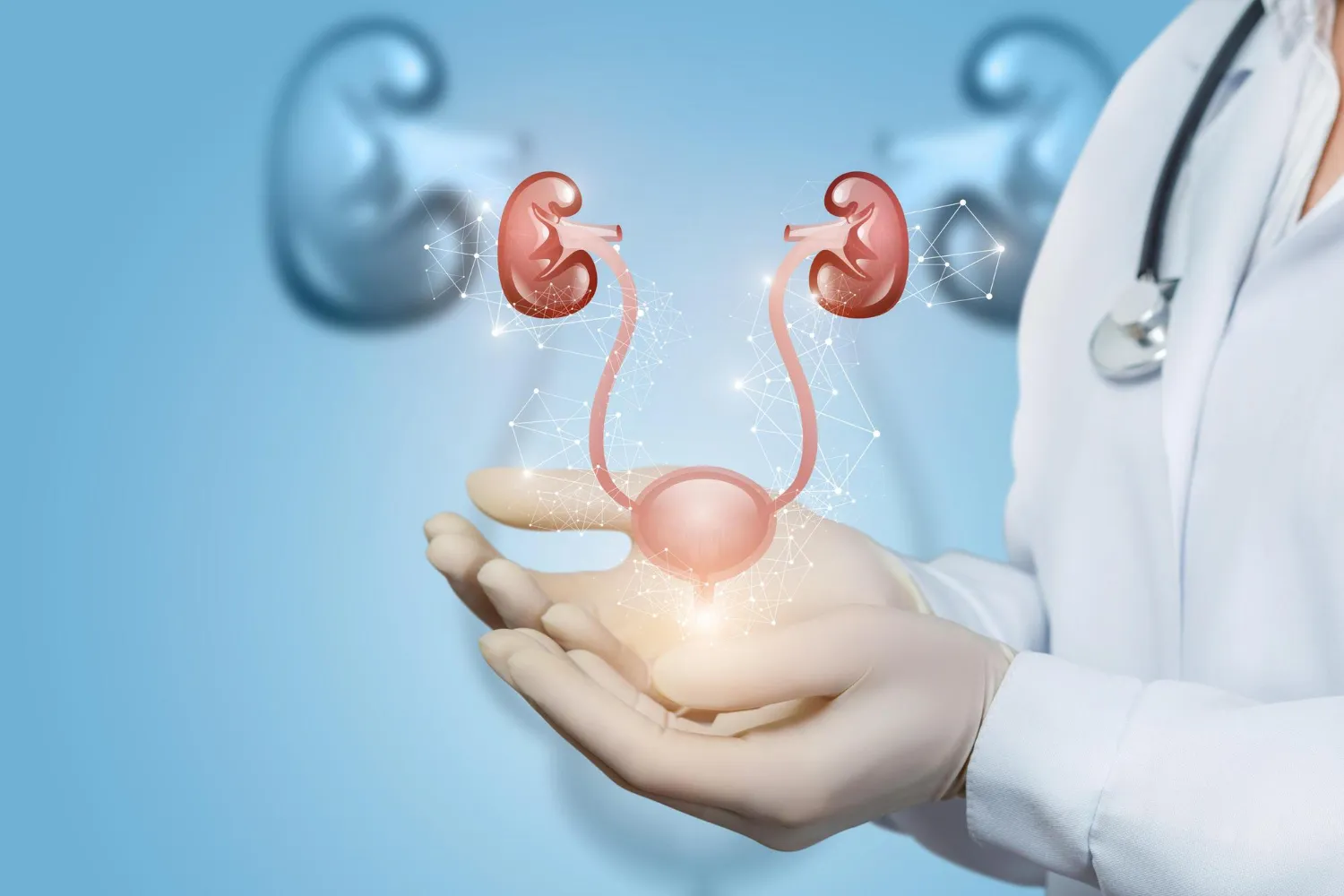








Percutaneous Nephrolithotomy (PCNL) has long been recognized as the gold-standard procedure for treating complex, large, or deeply embedded kidney stones that cannot be managed with less-invasive methods. As medical tourism in Africa evolves, South Africa stands out as a premier destination for advanced urological care—particularly for PCNL. While specific clinic names are not referenced, this article provides a comprehensive industry-level analysis of what defines the top PCNL centers in the country, what standards they follow, and why they attract patients from across the continent and beyond.
This guide is crafted for medical tourism professionals seeking a detailed and strategic understanding of PCNL service quality in South Africa, covering clinical expertise, technology ecosystems, patient management pathways, safety frameworks, and cross-border care logistics.
Understanding PCNL and Its Growing Demand in Africa
PCNL is a minimally invasive surgical approach used to remove kidney stones generally larger than 2 cm, staghorn stones, or stones resistant to extracorporeal shockwave lithotripsy (ESWL) or ureteroscopy. The procedure involves creating a small tract through the skin into the kidney, allowing direct access for stone fragmentation and removal.
The rise in kidney stone cases in Africa—driven by lifestyle shifts, dehydration, dietary factors, and metabolic disorders—has intensified demand for advanced stone management services. South Africa now leads many African nations in:
- Adoption of advanced endourological technologies
- Training of subspecialist endourologists
- Establishment of integrated stone centers
- Development of international patient programs
As a result, the country has emerged as an attractive destination for PCNL treatment among domestic, regional, and international patients.
What Makes South Africa a Leader in PCNL Kidney Stone Care?
1. High Clinical Standards and Subspecialist Training
PCNL requires exceptional precision and expertise. Top clinics in South Africa prioritize:
- Endourology fellowship–trained specialists
- Mastery in ultrasound-guided and fluoroscopic access
- Multidisciplinary nephrology-urology collaboration
- Extensive experience handling complex and recurrent stones
Professionals at these clinics often have exposure to international training, research involvement, and participation in global endourology forums. This ensures patient outcomes match global benchmarks.
2. Advanced Urological Technologies
Leading PCNL centers in South Africa invest heavily in high-grade instruments and imaging systems that enhance both safety and efficiency. These commonly include:
- High-resolution fluoroscopy units for precise renal access
- Ultrasound-guided puncture systems
- Mini-PCNL and ultra-mini PCNL equipment for minimal trauma
- Holmium:YAG and thulium fiber lasers for efficient stone fragmentation
- Digital nephroscopes offering superior visualization
- Low-dose radiation protocols for safer procedures
The availability of miniaturized PCNL technologies enables shorter recovery times, less bleeding, and improved patient comfort—making South Africa competitive with regions known for highly advanced urological care.
3. Integrated Kidney Stone Management Programs
Top clinics go beyond PCNL alone, offering a complete stone disease service pathway:
- Metabolic evaluation and dietary assessments
- 24-hour urine analysis
- Non-contrast CT scans for accurate stone mapping
- Stone composition analysis
- Preventive strategies to reduce recurrence
Such comprehensive programs ensure that the root cause of stone formation is addressed, improving long-term patient outcomes—an essential component for medical tourism continuity and value.
4. Strong Focus on Infection Control and Surgical Safety
PCNL carries higher complexity than other stone procedures, making robust safety measures essential. Leading centers adhere to strict protocols, including:
- Preoperative infection screening
- Antibiotic stewardship programs
- High-level sterilization of surgical instruments
- Dedicated PCNL operating suites with specialized nursing teams
These safety layers significantly lower the risk of complications, making South Africa’s PCNL outcomes comparable to top global destinations.
5. Seamless Patient Experience for International Travelers
Medical tourists require streamlined care pathways. South Africa’s leading PCNL clinics typically offer:
- Dedicated patient coordinators
- Teleconsultations for pre-travel planning
- Assistance with visa documentation
- Ground transportation and interpretation services
- Post-treatment follow-up via virtual care
The country’s hospitality ecosystem further enhances its appeal, offering comfortable accommodations, tourist attractions, and English as a widely spoken language—important for foreign patients.
Clinical Excellence in PCNL: What Top South African Clinics Consistently Offer
1. Case Stratification and Personalized Treatment
PCNL is tailored based on stone characteristics:
- Size
- Density
- Exact renal location (upper, mid, lower calyx)
- Patient anatomy and comorbidities
- Presence of multiple or staghorn stones
Top clinics use preoperative CT imaging to create individualized surgical roadmaps. This level of customization minimizes risks and optimizes results.
2. Multiple PCNL Techniques for Flexible Management
South African clinics employ several PCNL modalities:
- Standard PCNL for large or complex stones
- Mini-PCNL for moderate stones in patients needing less invasive options
- Ultra-mini PCNL for selected small stones
- ECIRS (Endoscopic Combined Intrarenal Surgery) combining PCNL and ureteroscopy
- Supine and prone PCNL approaches based on patient requirements
The ability to switch techniques depending on real-time surgical findings is a hallmark of top-tier endourological centers.
3. Enhanced Recovery Pathways (ERAS)
Many advanced clinics adopt ERAS protocols, which include:
- Minimally invasive anesthesia
- Reduced postoperative opioid use
- Early mobilization
- Shortened hospital stays (often 24–48 hours)
- Rapid return to daily activities
This aligns PCNL treatment with the global shift toward faster, safer, and patient-centered recovery.
Why International Patients Choose South Africa for PCNL
1. Affordability Without Compromising Quality
Compared to Europe, the Middle East, or the United States, South Africa offers:
- Lower PCNL procedure costs
- Reduced inpatient stay expenses
- More economical imaging and laboratory diagnostics
Yet, the clinical outcomes remain high due to excellent professional training and advanced surgical technology.
2. Central African Access Point for Complex Cases
Given limited access to endourological expertise in some African regions, South Africa acts as a continental referral hub for complex stone diseases requiring PCNL.
Patients often come for:
- Large staghorn stones
- Failed previous treatments
- Anatomically challenging kidneys
- Recurrent stones requiring specialized care
This makes South Africa a critical resource for medical tourists seeking definitive stone removal.
3. Strong Postoperative Follow-up System
Top clinics ensure structured follow-up that includes:
- Remote evaluation of wound recovery
- Monitoring for potential complications
- Long-term metabolic assessments
- Guidance on hydration, diet, and lifestyle
This strengthens patient confidence and ensures continuity of care even after returning home.
How Medical Tourism Professionals Can Guide Patients Effectively
When advising PCNL patients seeking treatment in South Africa, industry professionals should emphasize:
1. Pre-Travel Requirements
- Recent imaging (ideally NCCT)
- Metabolic evaluations if recurrent stones
- Medical clearance for anesthesia
- Discussion about expected tract placement and surgical approach
2. Expected Length of Stay
Patients typically stay 5–7 days, allowing for preoperative preparation and postoperative observation.
3. Potential Risks to Discuss
- Bleeding
- Infection
- Residual stones
- Access tract complications
- Possible need for additional ureteroscopy
4. Importance of Selecting the Right Clinic
Focus on centers that demonstrate:
- High PCNL case volumes
- Access to advanced imaging
- Multidisciplinary urology-nephrology teams
- Established medical tourism support services
Future of PCNL in South Africa
The country is rapidly evolving its endourology landscape with:
- Adoption of thulium fiber laser technology
- Growth of miniaturized PCNL
- Enhanced renal access imaging
- Increased participation in clinical research
- Expansion of specialized kidney stone centers
These advancements ensure that South Africa will continue attracting medical tourists seeking complex kidney stone treatment.
In conclusion, South Africa has positioned itself as one of Africa’s most advanced destinations for PCNL kidney stone removal. Its combination of expert endourologists, cutting-edge surgical technology, structured patient pathways, and international patient support systems make it a reliable and competitive choice for medical tourists. For industry professionals, understanding these strengths is essential for guiding patients toward safe, effective, and high-quality PCNL care.
Ready to consult a top urology specialist and explore world-class treatment in South Africa? ProstaCare Travel connects you directly with leading urologists, including a no-obligation virtual consultation with Specialist Urologist Dr. Kalpee before you travel. Through bespoke treatment packages—including advanced procedures like HoLEP, Rezūm, and minimally invasive therapies—paired with full-service concierge care, ProstaCare ensures seamless medical travel from start to finish. With exceptional clinical standards, modern hospitals, and cost-effective pricing, you can access premium urological care without compromise. Click here to begin your journey with ProstaCare Travel: https://www.better.medicaltourism.com/facilitators-platform-single?facilitator=prostacare-travel


