


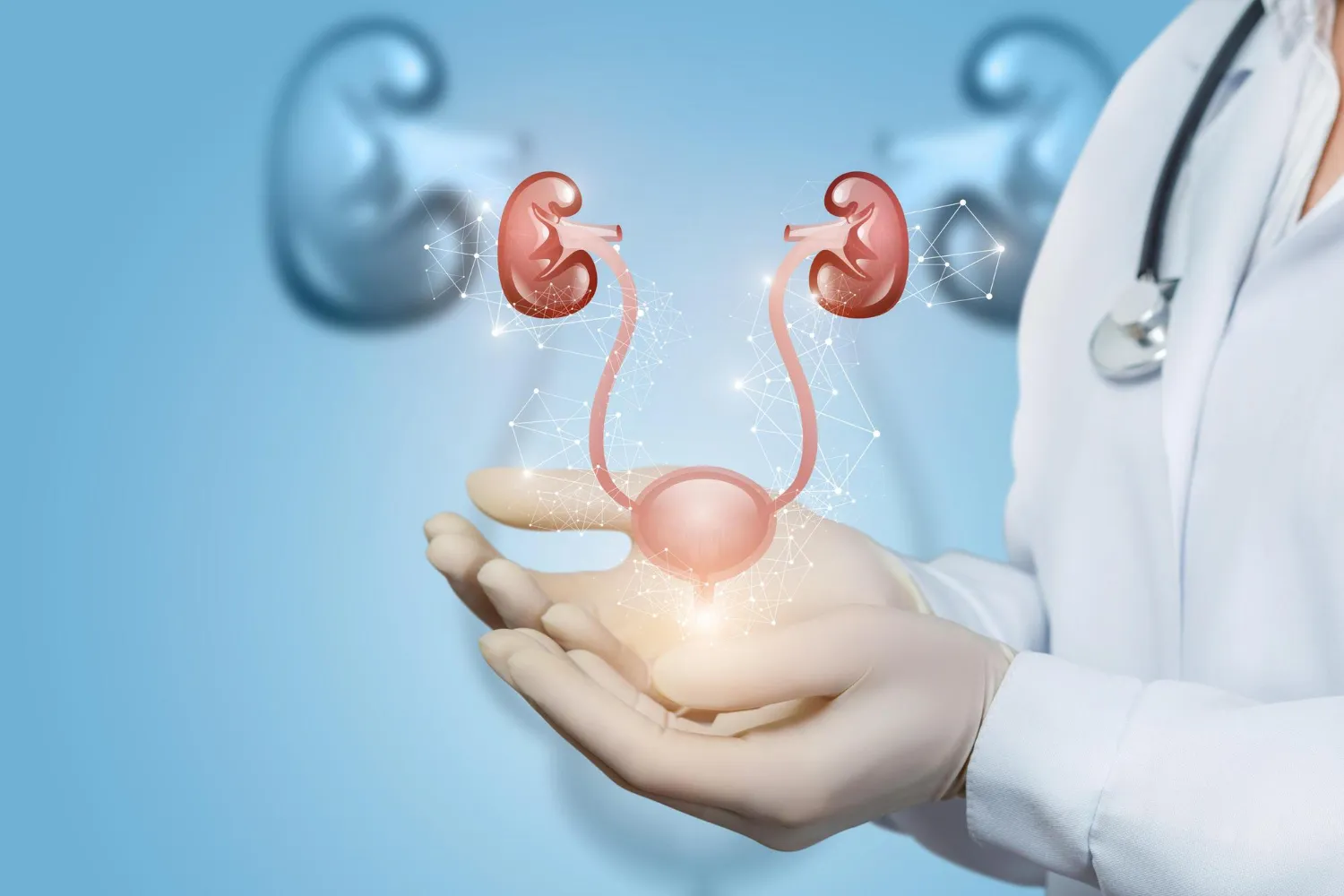








The landscape of kidney stone treatment in Africa has transformed dramatically over the past decade. Driven by the rise of modern urological technologies, improved specialist training, and enhanced medical tourism infrastructure, the continent is home to some of the most skilled experts in advanced stone management. These professionals are equipped with cutting-edge tools, precision-based surgical techniques, and evidence-driven protocols to manage even the most complex cases of renal, ureteric, and bladder stones.
This article provides a detailed, education-focused review for medical tourism professionals—highlighting Africa’s capabilities, technological advancements, clinical standards, and what makes the continent’s specialists among the best for international patients seeking stone disease care.
Understanding Stone Disease in the Context of Global Medical Travel
Kidney stones are a growing public health concern worldwide, with increasing incidence linked to dietary changes, dehydration, metabolic disorders, and lifestyle risk factors. For international patients, the choice of treatment destination is shaped by three key factors:
- Availability of advanced minimally invasive solutions
- Experience of specialists in handling complex stone burdens
- Access to integrated diagnostic and postoperative care
Africa meets these expectations through a combination of modern technology, skilled professionals, and cost-effective treatment pathways ideal for cross-border care.
Why Africa Has Become a Hub for Advanced Stone Management
1. Adoption of High-End Minimally Invasive Technologies
Specialists across Africa increasingly utilize advanced equipment such as:
- Flexible ureteroscopes for highly precise stone access in the kidney
- Holmium:YAG and Thulium fiber lasers for efficient fragmentation
- Mini-PCNL and ultra-mini PCNL systems reducing surgical trauma
- 3D imaging and digital endoscopy enhancing visualization
- Extracorporeal Shock Wave Lithotripsy (ESWL) with modern lithotripters offering high success rates
This adoption of new technologies places African experts on par with global standards.
2. Advanced Expertise in Complex Stone Disease
Stone disease management is no longer limited to removing stones—it requires understanding their metabolic causes, recurrence risks, and anatomical challenges. African specialists excel in:
- Treating large staghorn stones
- Managing stones in patients with comorbidities
- Performing dual-modality treatments (e.g., combined PCNL and ureteroscopy)
- Handling complex pediatric stone disease
- Addressing recurrent and resistant stone formations
Many have undergone extensive training in advanced endourology, ensuring safe and effective interventions for complex cases.
3. Integrated Multidisciplinary Care Models
Top experts often work within multidisciplinary frameworks, collaborating with:
- Nephrologists
- Radiologists specializing in urological imaging
- Endocrinologists for metabolic stone evaluation
- Dieticians for prevention plans
This comprehensive approach improves outcomes and reduces recurrence, making Africa an attractive destination for long-term stone care.
4. Strong Appeal for Medical Tourism
Africa is increasingly chosen by international patients due to:
- Cost-effective treatment packages
- Shorter waiting times compared to many Western nations
- Availability of modern equipment in private and academic medical centers
- Multilingual medical teams facilitating smoother patient communication
These advantages position African urology experts as competitive players in the global market for minimally invasive stone treatment.
Key Advanced Stone Management Techniques Offered in Africa
1. Flexible Ureteroscopy (FURSL / RIRS)
One of the most commonly used minimally invasive procedures, flexible ureteroscopy allows experts to access even the smallest calyces within the kidney. Thulium fiber and Holmium:YAG lasers enable precise dusting or fragmentation of stones with minimal bleeding and rapid recovery.
Ideal for:
- Small to medium stones
- Stones in difficult locations
- Recurrent stone formers needing periodic treatment
- Patients unsuitable for shockwave therapy
2. Percutaneous Nephrolithotomy (PCNL)
African specialists have mastered various PCNL techniques tailored to patient needs:
- Standard PCNL for large or complex stones
- Mini and Ultra-mini PCNL for reduced tissue trauma
- Supine PCNL improving anesthetic safety and surgical ergonomics
Advanced imaging guidance—often with ultrasound or fluoroscopy—enhances accuracy and reduces complications.
Ideal for:
- Large staghorn calculi
- Impacted stones resistant to other treatments
- Stones in anatomically challenging kidneys
3. Extracorporeal Shock Wave Lithotripsy (ESWL)
Non-invasive and suitable for many cases, ESWL remains a mainstay in African stone clinics. Modern lithotripters offer:
- Greater precision
- Fewer treatment sessions
- Reduced tissue damage
African specialists assess stone hardness, location, and patient anatomy to ensure high success rates.
4. Laser Lithotripsy with Holmium:YAG or Thulium Fiber Lasers
Laser technology has revolutionized stone care, and experts across Africa routinely use:
- “Dusting” techniques for fine fragmentation
- “Popcorn” methods for multiple small fragments
- High-power laser systems for faster procedures
Thulium fiber lasers, in particular, offer enhanced efficiency and improved surgical control.
5. Metabolic Evaluation and Long-Term Stone Prevention
Advanced stone management goes beyond immediate treatment. Leading African experts offer:
- 24-hour urine analysis
- Blood metabolic profiling
- Stone composition analysis
- Preventive dietary and medical plans
This preventive approach significantly reduces recurrence—a key concern for international patients.
What Makes African Stone Management Experts Stand Out
1. High Case Volumes and Specialized Experience
Many experts manage thousands of cases annually, including:
- Complex kidney stones
- Multiple recurrent stones
- Difficult anatomical variations
High caseloads translate into greater surgical proficiency and improved outcomes.
2. Adherence to International Guidelines and Protocols
Experts follow evidence-based guidelines in areas such as:
- Preoperative imaging
- Intraoperative safety protocols
- Antibiotic stewardship
- Postoperative follow-up
This consistency builds trust among global medical travelers.
3. Use of Digital Health and Telemedicine for International Patients
To support global patients, specialists integrate:
- Pre-arrival virtual consultations
- Remote metabolic counseling
- Digital postoperative checkups
These solutions ensure continuity of care, even after the patient returns home.
4. Patient-Centered Care Models
African experts emphasize:
- Personalized treatment planning
- Clear communication about risks and benefits
- Cultural sensitivity
- Family-centered medical decision support
Such patient-friendly approaches enhance satisfaction and improve medical tourism outcomes.
Best Destinations Within Africa for Advanced Stone Management
Without naming specific centers, several African countries are recognized for their concentration of highly trained urology experts and modern stone-management infrastructure. These destinations are known for offering:
- High-end operating theaters equipped for endourology
- Modern imaging and laboratory capabilities
- Dedicated urology units with specialized nursing staff
- Strong experience in treating international patients
Countries leading in these advancements typically feature a mix of private, academic, and specialty centers focusing on minimally invasive stone surgery and comprehensive metabolic care.
Factors International Patients Consider When Choosing an Expert
Medical tourism professionals should guide patients based on critical criteria such as:
1. Expertise in Advanced Minimally Invasive Procedures
Experience in flexible ureteroscopy, laser lithotripsy, mini-PCNL, and ESWL is essential.
2. Availability of Modern Laser and Endoscopic Technologies
High-resolution digital scopes, efficient laser systems, and 3D imaging tools improve outcomes.
3. Safety Protocols and Infection Control Standards
Key for reducing postoperative complications.
4. Comprehensive Pre- and Postoperative Care
Including metabolic evaluation, dietary counseling, and follow-up planning.
5. Transparent Treatment Packages
International patients prioritize cost clarity and streamlined logistics.
Africa’s Rising Excellence in Advanced Stone Management
To conclude, Africa has positioned itself as a strong contender in the global landscape of kidney stone treatment. With highly skilled urology experts, cutting-edge technology, integrated multidisciplinary care, and increasing medical tourism appeal, the continent continues to deliver world-class outcomes for complex stone disease.
For medical tourism professionals, understanding Africa’s strengths in advanced stone management is essential to guiding patients seeking high-quality, minimally invasive kidney stone treatments. As the continent continues investing in urological innovation, its specialists are set to play an even greater role in shaping global best practices.
Ready to consult a top urology specialist and explore world-class treatment in South Africa? ProstaCare Travel connects you directly with leading urologists, including a no-obligation virtual consultation with Specialist Urologist Dr. Kalpee before you travel. Through bespoke treatment packages—including advanced procedures like HoLEP, Rezūm, and minimally invasive therapies—paired with full-service concierge care, ProstaCare ensures seamless medical travel from start to finish. With exceptional clinical standards, modern hospitals, and cost-effective pricing, you can access premium urological care without compromise. Click here to begin your journey with ProstaCare Travel: https://www.better.medicaltourism.com/facilitators-platform-single?facilitator=prostacare-travel


