


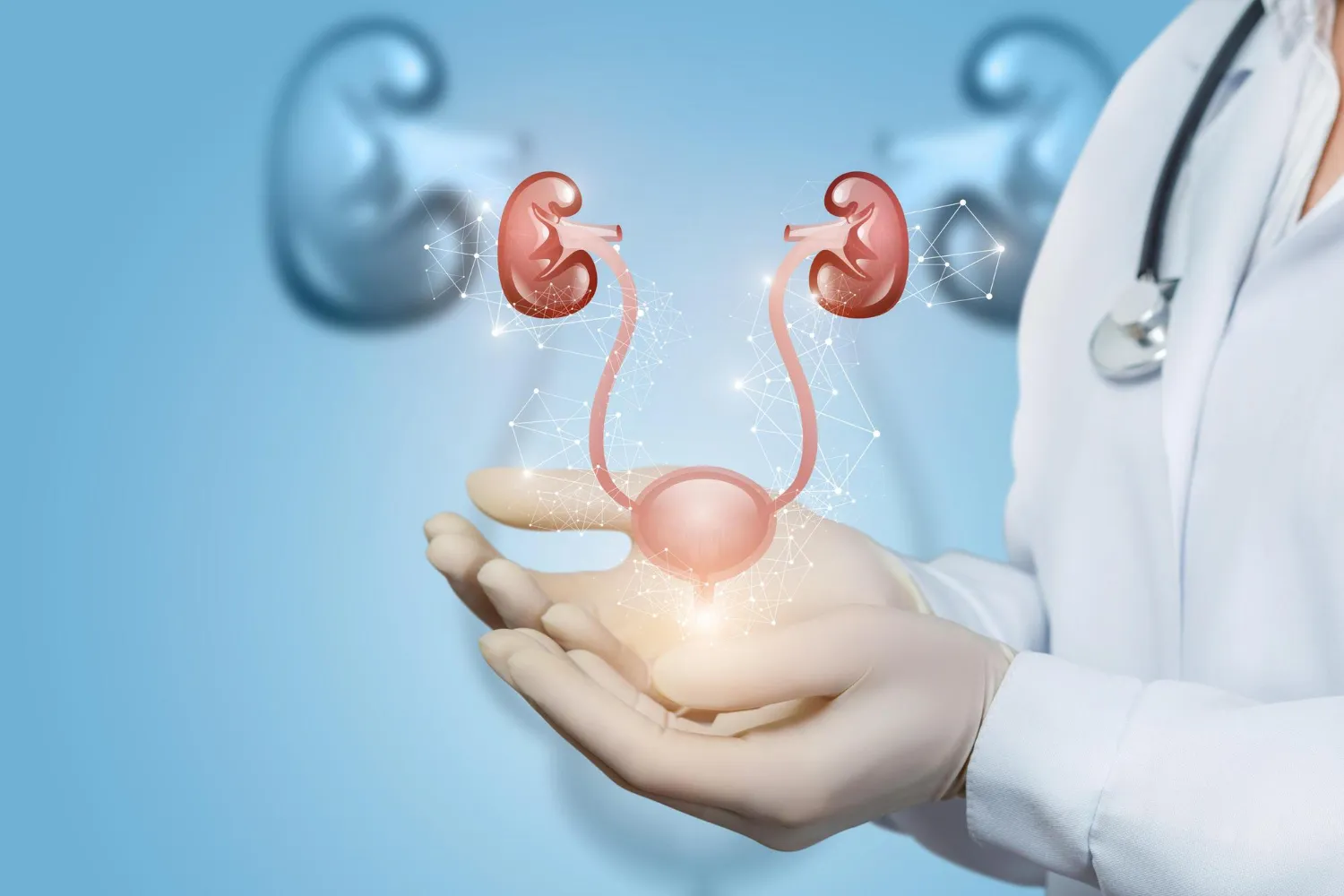








Kidney stones are one of the most common urological conditions globally, affecting millions each year. For international patients seeking advanced treatment combined with affordability, South Africa has emerged as a leading medical tourism destination. The country’s urologists are highly trained, many with international fellowships, and have extensive experience in modern, minimally invasive kidney stone procedures. Combined with state-of-the-art imaging, efficient diagnostic pathways, and strong patient-safety protocols, South Africa offers a compelling environment for visitors seeking world-class urological care.
This comprehensive article explores the treatment landscape, the technologies commonly used, what international patients can expect, and the attributes that define South Africa’s top kidney stone specialists—without naming individual doctors or institutions.
Understanding Kidney Stones: A Major Driver of Global Medical Travel
Kidney stones form when minerals and salts crystallize in the kidneys. Their prevalence is increasing due to lifestyle changes, dehydration, climate conditions, and dietary patterns. Many patients choose international care due to long waiting lists, high treatment costs, or limited access to advanced technologies in their home countries.
South Africa’s strengths in kidney stone care include:
- Highly trained urologists experienced in complex cases
- Availability of modern minimally invasive technologies
- Competitive treatment pricing compared to Western nations
- English-speaking medical staff for easier communication
- Coordinated medical tourism infrastructure in major cities
For many medical tourists, the quality-to-cost ratio is a primary motivator, and South Africa offers both at an excellent standard.
Why South Africa Is a Top Destination for Kidney Stone Care
1. Modern Urological Technologies
The country's leading urology centers use cutting-edge equipment such as:
- Holmium:YAG and Thulium laser platforms for precise stone fragmentation
- Flexible ureteroscopes for FURSL (Flexible Ureteroscopic Laser Lithotripsy)
- Advanced ultrasound and CT imaging for accurate diagnosis
- Mini-PCNL and Micro-PCNL systems for large or complex stones
- Shockwave lithotripsy (SWL) for non-invasive management of suitable stones
This level of technology ensures safer procedures, shorter recovery times, and high treatment success rates.
2. Expertise in Minimally Invasive Endourology
South African kidney stone specialists are trained in:
- Laser stone fragmentation
- Ureteroscopy
- Percutaneous nephrolithotomy (PCNL)
- Miniaturized stone surgery techniques
- Management of staghorn, recurrent, or infection-related stones
Many specialists also contribute to research, skill-development workshops, and regional urology training programs.
3. International Patient-Friendly Approach
Leading practices across the country emphasize:
- Digital consultations before arrival
- Seamless coordination of investigations (labs, imaging)
- Detailed cost estimates upfront
- Short hospital stays and rapid post-operative recovery
- Post-treatment stone analysis for prevention planning
This structured approach makes the experience smoother for medical tourists.
Treatment Options Offered by Kidney Stone Specialists in South Africa
South Africa’s urologists use a comprehensive range of therapies tailored to stone size, location, composition, and patient health profile.
1. Shockwave Lithotripsy (SWL)
A non-invasive, outpatient treatment ideal for small to moderate stones.
Benefits:
- No incision
- Quick recovery
- Good for stones in the kidneys and upper ureter
This is often the first-line approach for eligible patients due to its safety profile and convenience.
2. Flexible Ureteroscopic Laser Lithotripsy (FURSL)
This is one of the most sought-after treatments by medical tourists.
Why patients prefer FURSL:
- High success rate for stones in the ureter or kidney
- Precision laser fragmentation
- Excellent safety profile
- Minimal discomfort
- Same-day or next-day discharge
South African specialists are well-known for their expertise in this technique.
3. Percutaneous Nephrolithotomy (PCNL)
Used for large, complex, or recurrent kidney stones.
Advantages:
- Ideal for staghorn stones
- Gold standard for large renal calculi
- High clearance rate
- Performed using mini-PCNL or standard PCNL based on case complexity
The growing use of miniaturized techniques ensures less bleeding, shorter hospital stays, and faster recovery for international patients.
4. Micro-PCNL and Ultra-Mini PCNL
These advanced forms of PCNL use extremely small instruments.
Benefits for medical tourists:
- Lower surgical risk
- Reduced postoperative pain
- Faster travel-readiness post-procedure
South Africa is among the African leaders in implementing these advanced endourological innovations.
5. Medical Expulsive Therapy (MET)
For small stones, specialists may opt for medication-assisted natural stone passage.
Applications:
- Stones <5 mm
- Ureteral stones with minimal obstruction
- Non-urgent cases
Medications may include alpha-blockers, pain management, and hydration strategies.
6. Combination Therapies for Complex Stones
Some patients present with stones in multiple locations, infection-driven stones, or congenital anatomy.
South African specialists often utilize:
- Hybrid FURSL + Mini-PCNL approaches
- Staged procedures for safer outcomes
- Metabolic evaluation to prevent recurrence
This care model ensures that even challenging cases receive individualized, high-precision treatment.
What Defines a Top Kidney Stone Doctor in South Africa?
While patients cannot reference specific names here, it is valuable to understand the qualities that define the best urological professionals in the country.
1. Advanced Training in Endourology
Most leading specialists have completed:
- Fellowships in endourology or minimally invasive urologic surgery
- Certifications in laser stone surgery
- International observerships in stone management
This training ensures mastery over complex cases and modern techniques.
2. Extensive Experience
Experienced kidney stone doctors in South Africa routinely handle:
- Recurrent stone cases
- Stones in patients with other health conditions
- Complex anatomical challenges
- Pediatric kidney stones
- Infection-related stones
- Large and staghorn calculi
Their exposure to diverse cases improves treatment accuracy and success rates.
3. Access to High-Quality Diagnostic Tools
Top specialists prefer thorough evaluation, including:
- Non-contrast CT scans
- Ultrasound
- Detailed blood and urine analysis
- Stone composition studies
This diagnostic rigor allows precise treatment planning for international patients with limited time for trial-and-error approaches.
4. Patient-Centric and Transparent Communication
Medical tourists particularly value:
- Clear breakdown of procedure options
- Comparison of benefits, risks, and costs
- Expected recovery timelines
- Diet and lifestyle recommendations
- Prevention strategies for future stones
The best doctors prioritize education and empowerment for their patients.
5. Integrated Post-Treatment Follow-Up
Follow-up is essential to prevent recurrence.
South Africa’s top kidney stone doctors typically provide:
- Virtual follow-up consultations
- Review of stone analysis results
- Personalized dietary guidance
- Medication plans for long-term prevention
This comprehensive approach helps international patients maintain kidney health after returning home.
Costs and Affordability for International Patients
While costs vary based on case complexity, technologies used, and geographic region, international patients generally find kidney stone treatment in South Africa more affordable than in:
- The US
- UK
- Western Europe
- Australia
Additionally, South Africa offers high standards of safety, clinical quality, and aftercare—making it a cost-effective alternative without compromising outcomes.
Preparing for Kidney Stone Treatment as a Medical Tourist
1. Share Your Medical History in Advance
Specialists typically require:
- Recent scans
- Previous treatment records
- Medication history
- Allergies
- Existing health conditions
This enables the doctor to recommend the right procedure before travel.
2. Plan for Short Recovery Times
Most minimally invasive treatments allow:
- Discharge within 24–48 hours
- Return to light activities within a few days
- Travel readiness within 5–7 days for most procedures
PCNL cases may require a slightly longer stay.
3. Understand Dietary and Hydration Protocols
Preventing recurrence requires:
- Adequate daily hydration
- Balanced intake of calcium, oxalates, protein, and salt
- Managing weight and metabolic risk factors
Many specialists offer tailored programs based on stone analysis.
South Africa’s Growing Leadership in Kidney Stone Care
In conclusion, South Africa’s kidney stone specialists are at the forefront of endourological innovation, offering international patients advanced treatments, excellent success rates, and efficient care pathways. With a strong focus on minimally invasive technologies, patient-centered communication, and comprehensive postoperative follow-up, the country has become a top medical tourism destination for kidney stone treatment.
Ready to consult a top urology specialist and explore world-class treatment in South Africa? ProstaCare Travel connects you directly with leading urologists, including a no-obligation virtual consultation with Specialist Urologist Dr. Kalpee before you travel. Through bespoke treatment packages—including advanced procedures like HoLEP, Rezūm, and minimally invasive therapies—paired with full-service concierge care, ProstaCare ensures seamless medical travel from start to finish. With exceptional clinical standards, modern hospitals, and cost-effective pricing, you can access premium urological care without compromise. Click here to begin your journey with ProstaCare Travel: https://www.better.medicaltourism.com/facilitators-platform-single?facilitator=prostacare-travel


