


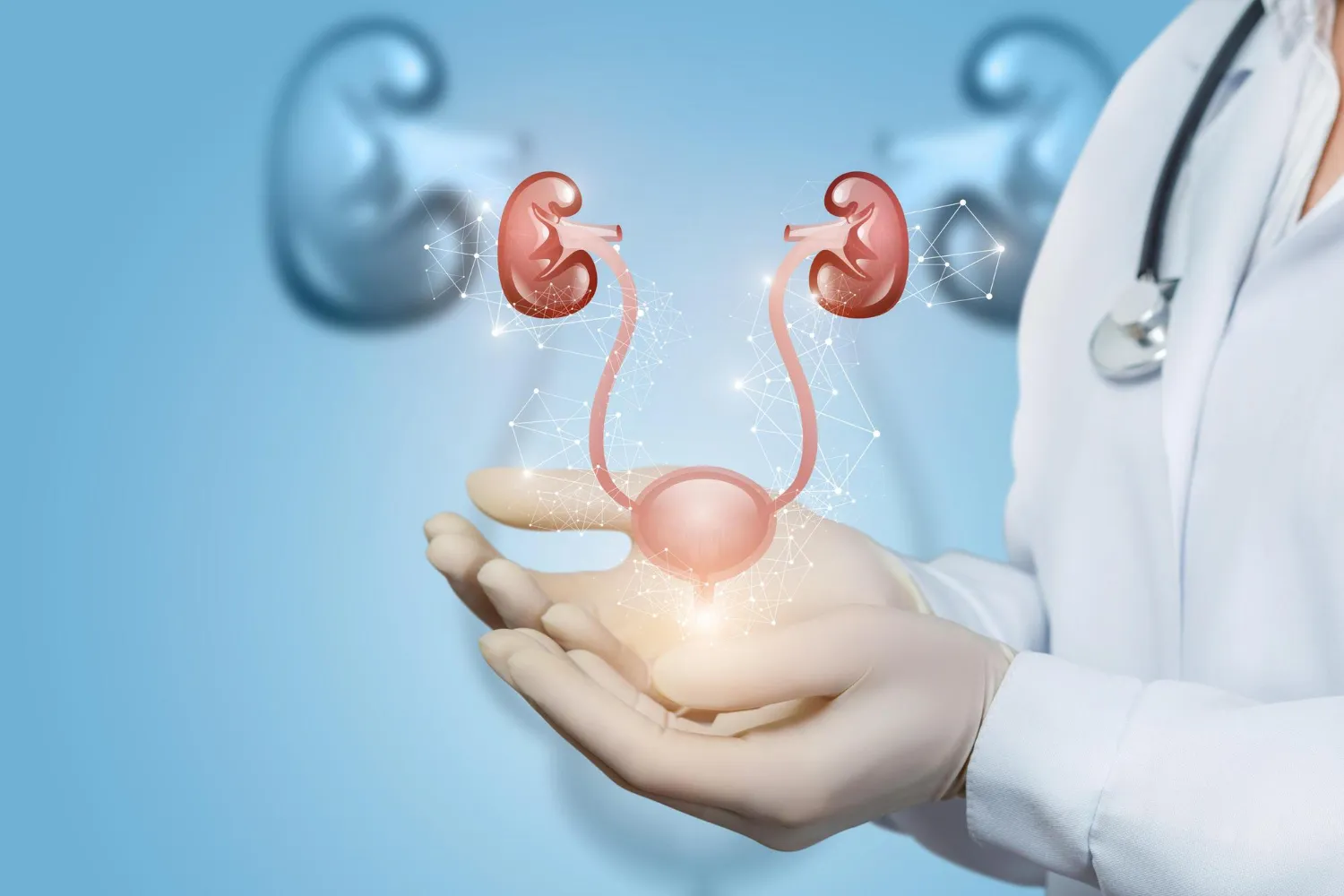








South Africa has steadily emerged as one of the most advanced destinations in Africa for minimally invasive urology services, particularly high-precision kidney stone laser treatment. For international patients seeking modern medical care, shorter recovery times, and cost-effective alternatives to high-priced Western healthcare systems, the country’s laser specialists offer a compelling blend of expertise, technology, and patient-centered care.
This expanded, in-depth article provides a complete overview of kidney stone laser treatment, the expertise typically found among top specialists in South Africa, what medical tourists should expect from care standards, the advantages of undergoing treatment in the country, and important considerations for selecting the right urology expert.
Understanding Kidney Stone Laser Treatment: A Modern Solution for Stone Removal
Kidney stone disease is increasingly common among adults worldwide due to dietary patterns, dehydration, genetics, and lifestyle factors. While small stones can pass naturally, medium and large stones often require medical intervention. One of the safest and most effective options available today is laser lithotripsy—specifically Flexible Ureteroscopy with Laser Lithotripsy (FURSL) or Holmium:YAG Laser Lithotripsy.
What Laser Lithotripsy Involves
Kidney stone laser treatment is a minimally invasive, endoscopic procedure in which a specialist inserts a thin scope through the urethra to reach the stone in the ureter or kidney. A high-energy laser then disintegrates the stone into dust-like fragments that can pass naturally.
Why Laser Treatment Is Preferred
Laser lithotripsy has rapidly overtaken traditional stone removal techniques, due to:
- No incisions
- Minimal complications
- Higher precision for hard stones (e.g., calcium oxalate monohydrate)
- Suitable for stones of various sizes and compositions
- Shorter hospital stay—often same-day discharge
- Faster recovery and return to daily activities
- Low recurrence rate due to complete stone clearance
Kidney stone specialists trained in laser technology use advanced digital scopes, laser fibers, and stone-dusting techniques to optimize outcomes.
Why South Africa Has Become a Hub for Kidney Stone Laser Specialists
South Africa’s healthcare system is recognized for combining clinical expertise with highly sophisticated diagnostic and surgical equipment. Laser-based kidney stone treatment is one of the key areas where the country stands out in Africa.
1. Advanced Urological Technology
Top urology departments across South Africa commonly use:
- Holmium:YAG lasers
- Thulium fiber lasers
- Digital flexible ureteroscopes
- High-resolution imaging systems
- Single-use ureteroscopes for infection control
Such innovations enable specialists to manage even the most complex stone cases with precision.
2. Highly Trained Kidney Stone Specialists
South African urology specialists typically undergo:
- Specialized training in endourology and laser lithotripsy
- Hands-on experience managing thousands of kidney stone cases
- Exposure to international best practices through global training workshops and fellowships
This produces professionals skilled in handling large, impacted, or recurrent stones as well as cases requiring meticulous endoscopic navigation.
3. Growing Medical Tourism Infrastructure
South Africa attracts medical tourists from:
- Neighboring African nations
- The Middle East
- The UK and Europe
- North America and Canada
Travelers appreciate the country’s combination of modern medical facilities, affordability, and comfortable post-operative recovery environments.
4. Competitive Treatment Costs
Kidney stone laser treatment in South Africa is often 40–70% more affordable than in many Western countries, without compromising on safety or medical standards.
Core Expertise Found Among South Africa’s Top Kidney Stone Laser Specialists
South Africa’s leading specialists in kidney stone laser treatment bring together a wide range of expertise necessary for safe and effective treatment of stones.
1. Diagnosis Through Advanced Imaging
Before recommending treatment, specialists rely on:
- CT scans
- Ultrasound diagnostics
- Intravenous urography
- Stone density analysis
Accurate imaging allows the expert to determine stone size, location, composition, and complexity.
2. Holmium:YAG Laser Lithotripsy Mastery
This remains the gold-standard laser for stone fragmentation. Specialists commonly use:
- Dusting technique
- Popcorning technique
- Fragmentation and basketing
These methods allow for near-complete removal while minimizing trauma to the kidney and ureter.
3. Expertise in FURSL (Flexible Ureteroscopic Laser Lithotripsy)
This technique is ideal for stones in difficult-to-reach areas, including the lower pole of the kidney.
Specialists trained in FURSL excel in:
- Navigating flexible scopes
- Using fine laser fibers
- Ensuring minimal ureteral injury
- Managing stones resistant to shockwave therapy
4. Management of Complex Cases
Leading specialists often handle:
- Impacted stones
- Large stones (10–20 mm)
- Multiple stones
- Recurrent stones
- Stones in patients with anatomical abnormalities (e.g., malrotated kidneys)
They also have experience in combining laser lithotripsy with stent placement when necessary.
5. Personalized Prevention Plans
Experts do not stop at removing stones. They typically advise on:
- 24-hour urine metabolic evaluation
- Dietary adjustments
- Hydration strategies
- Long-term risk management
This holistic approach helps reduce recurrence rates.
Benefits of Choosing South Africa for Kidney Stone Laser Treatment
Medical tourists increasingly choose South Africa because of the unique combination of medical excellence and traveler-friendly infrastructure.
1. Minimally Invasive Treatment with High Success Rates
South Africa reports high success rates for the following:
- Ureteral stones
- Kidney stones
- Stones resistant to shockwave therapy
- Stones in obese or elderly patients
Laser treatments significantly reduce risk of bleeding, infection, or prolonged recovery.
2. Short Recovery and Low Downtime
Most patients experience:
- Same-day discharge
- Very mild post-operative discomfort
- Return to normal activities within 48–72 hours
This is ideal for international travelers on a tight schedule.
3. Excellent Pre- and Post-Operative Care
Specialists usually provide:
- Comprehensive counseling
- Pain management
- Follow-up imaging
- Stent removal if required
Care plans are tailored for medical tourists to minimize disruption during travel.
4. Safety and Quality Standards
South Africa upholds strict healthcare regulations ensuring:
- Well-trained clinical staff
- Sterile laser equipment
- Internationally aligned safety norms
- Efficient emergency backup systems
Patients benefit from an environment designed for precision and safety.
What International Patients Should Expect During Treatment
1. Initial Consultation
A specialist typically reviews:
- Medical history
- Previous kidney stone episodes
- Imaging results
- Medications
- Any additional health concerns
Virtual consultations are often available.
2. Diagnostic Testing
Most centers offer full pre-operative assessments including:
- Blood tests
- Kidney function analysis
- Abdominal ultrasound or CT scan
These ensure patient suitability for laser lithotripsy.
3. The Laser Procedure
The typical laser procedure includes:
- General or spinal anesthesia
- Endoscopic navigation (no incisions)
- Stone fragmentation
- Possible stent placement
- 30–90 minutes total duration
Patients generally walk within hours of the procedure.
4. Post-Operative Care
Patients receive:
- Light pain medication
- Antibiotics (if needed)
- Instructions for hydration
- Follow-up imaging within weeks
A follow-up tele-consultation is usually available for medical tourists.
Choosing the Right Kidney Stone Laser Specialist in South Africa
While specialists across the country maintain high levels of expertise, medical tourists should consider the following factors:
1. Experience in Laser Lithotripsy
Verify that the specialist:
- Performs a high volume of laser cases
- Has expertise in flexible ureteroscopy
- Manages complex stone cases regularly
High-volume experience correlates with better outcomes.
2. Access to Modern Technology
Look for facilities offering:
- Latest Holmium:YAG or Thulium fiber lasers
- Digital ureteroscopes
- Real-time imaging integration
- Disposable scopes for improved sterility
3. Clear Communication
International patients benefit when specialists offer:
- Teleconsultations
- Treatment explanations in simple terms
- Transparent cost breakdowns
4. Multidisciplinary Support
The presence of nephrologists, anesthesiologists, radiologists, and dietitians enhances overall care.
5. Patient-Centered Approach
Good specialists provide:
- Pre-travel planning assistance
- Individualized preventive strategies
- Guidance for post-treatment follow-up
South Africa’s Reputation in Laser Kidney Stone Management
To conclude, South Africa stands out as a leading destination for kidney stone laser treatment due to its combination of advanced laser technology, highly trained specialists, and a medical tourism ecosystem designed for international patient comfort. The country’s commitment to minimally invasive care, safety, and predictable outcomes has positioned it as a trusted hub for those seeking cutting-edge urological treatment.
Ready to consult a top urology specialist and explore world-class treatment in South Africa? ProstaCare Travel connects you directly with leading urologists, including a no-obligation virtual consultation with Specialist Urologist Dr. Kalpee before you travel. Through bespoke treatment packages—including advanced procedures like HoLEP, Rezūm, and minimally invasive therapies—paired with full-service concierge care, ProstaCare ensures seamless medical travel from start to finish. With exceptional clinical standards, modern hospitals, and cost-effective pricing, you can access premium urological care without compromise. Click here to begin your journey with ProstaCare Travel: https://www.better.medicaltourism.com/facilitators-platform-single?facilitator=prostacare-travel


