


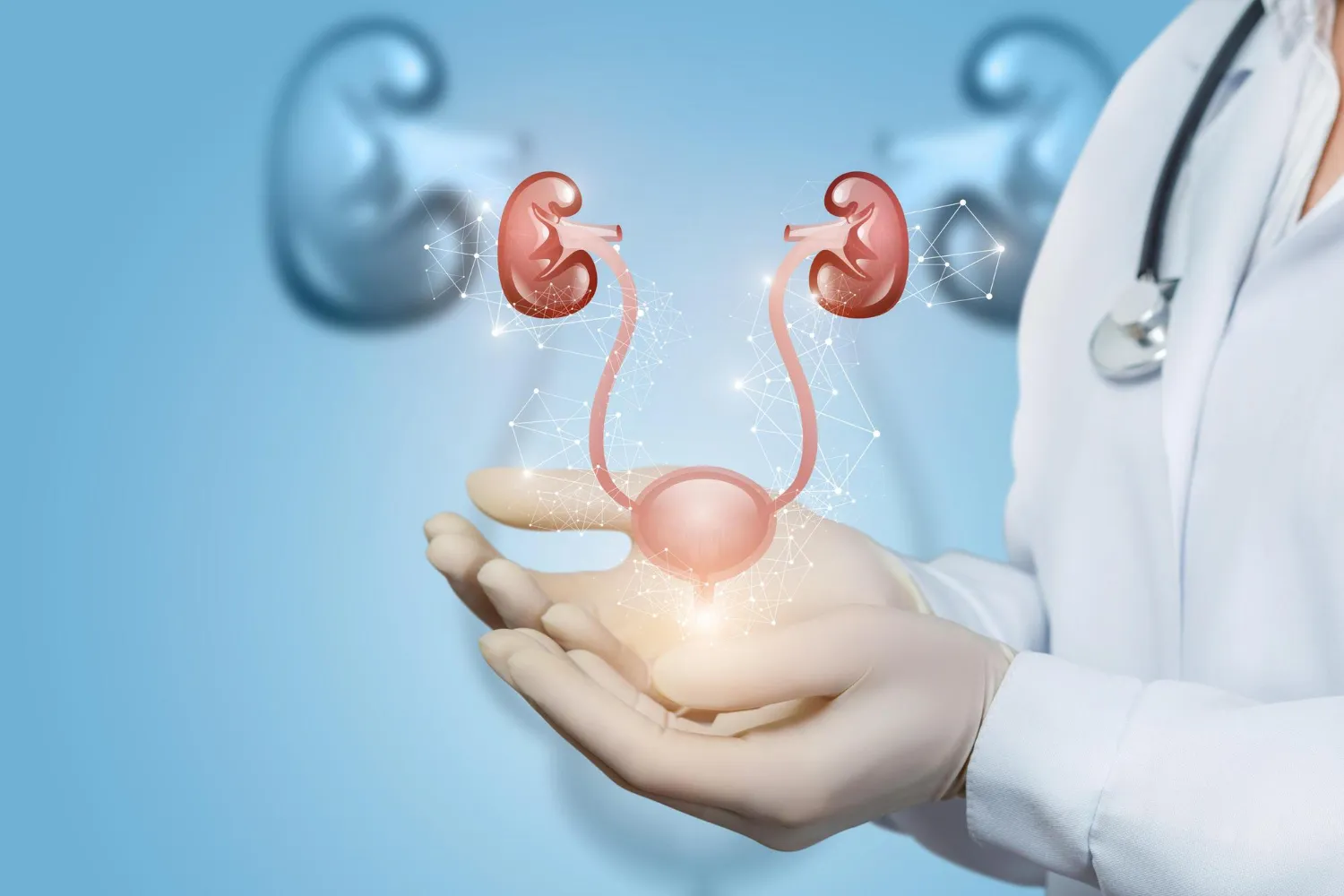







Percutaneous Nephrolithotomy (PCNL) has become the gold standard worldwide for treating large, complex, or difficult-to-remove kidney stones. Across Africa, and especially in South Africa, PCNL has evolved into a sophisticated, minimally invasive procedure supported by advanced imaging, modern operating theatres, and urology specialists trained in international standards of stone management. For medical tourism professionals, understanding the strengths of South Africa’s PCNL landscape is key to guiding patients toward safe, effective, and high-quality surgical care.
This article offers an in-depth overview of the essential components that define top PCNL surgery specialists in South Africa—highlighting their competencies, procedural expertise, technology usage, patient safety protocols, pre- and post-operative pathways, and the country’s position within medical travel for kidney stone interventions.
Understanding PCNL: A Critical Procedure for Complex Kidney Stones
PCNL is performed when stones are too large for shockwave lithotripsy (SWL), too hard for ureteroscopic laser fragmentation, or situated in areas of the kidney that make endoscopic approaches challenging. Stones larger than 2 cm, staghorn calculi, stones resistant to previous treatments, or those causing recurring infections are prime candidates for PCNL.
The procedure involves creating a small tract through the skin (usually no more than 1 cm) into the kidney to directly access and extract stones. Using specialized instruments such as nephroscopes and ultrasonic or laser lithotripters, surgeons can break and remove even the most complex stones with high success rates.
In South Africa, leading specialists follow internationally aligned protocols for PCNL, ensuring minimal trauma, reduced hospitalization time, and enhanced recovery.
What Sets Top PCNL Specialists in South Africa Apart
South Africa has become a preferred destination for kidney stone treatment due to several defining factors:
1. Advanced Training in Endourology and Stone Disease
Top PCNL specialists in South Africa typically undergo extensive subspecialty training in:
- Endourological surgical techniques
- Modern stone management pathways
- Multi-tract PCNL and mini-PCNL
- High-efficiency laser fragmentation
- Complex urinary anatomy interventions
Many complete fellowships or advanced courses that emphasize precision techniques, lower complication rates, and improved patient outcomes.
2. Expertise in Multiple PCNL Techniques
A key characteristic of leading South African PCNL surgeons is their versatility. They routinely perform:
- Standard PCNL for large or multiple stones
- Mini-PCNL for smaller stones or reduced trauma cases
- Ultra-mini PCNL for select patient groups
- Multi-tract PCNL for staghorn or widespread stone disease
- Supine or prone PCNL, depending on surgical preference and patient anatomy
The ability to choose the optimal technique enables specialists to tailor each case for maximum precision and minimum risk.
3. Integration of High-End Imaging and Technology
Successful PCNL relies heavily on imaging guidance. Top specialists consistently use:
- Fluoroscopy-guided access
- Ultrasound-guided access for radiation reduction
- Hybrid imaging for complex stone patterns
- High-resolution digital nephroscopes
- State-of-the-art lithotripsy systems
These technologies reduce operative time, lower complication rates, and enhance stone-free outcomes.
4. Emphasis on Safety and Complication Prevention
South Africa’s leading PCNL specialists adhere to rigorous safety protocols:
- Careful pre-operative infection control
- Optimization of kidney drainage
- Controlled dilation of access tracts
- Blood loss minimization techniques
- Continuous monitoring during and after the procedure
These factors contribute to the country’s strong reputation for safe surgical care.
Why Medical Tourists Choose South Africa for PCNL Surgery
South Africa has become a hub for medical tourists seeking kidney stone care due to its combination of skilled specialists, advanced medical infrastructure, and patient-centered service standards.
1. International-Level Surgical Standards
Urology teams follow globally recognized PCNL guidelines and update their techniques as advancements emerge. This ensures that medical tourists receive care comparable to leading health systems.
2. Modern Operating Theatres and Equipment
Specialists benefit from:
- Digitally integrated theatres
- High-resolution imaging towers
- Advanced anaesthesia systems
- Minimally invasive surgical platforms
This combination creates a safe environment for high-precision procedures.
3. Transparent Treatment Pathways for International Patients
South African urology teams commonly provide:
- Pre-visit teleconsultations
- Clear medical documentation
- Comprehensive cost estimations
- Follow-up continuity planning
These practices make cross-border care seamless for patients.
4. Strong Focus on Minimally Invasive Urology
PCNL is often complemented by other stone-removal options such as FURSL, mini-PCNL, and ureteroscopy, giving patients a full spectrum of surgical choices within the same center.
The PCNL Surgical Journey in South Africa
Understanding the typical clinical pathway helps medical tourism professionals counsel patients effectively.
1. Pre-Operative Evaluation
Top specialists conduct a thorough assessment including:
- CT scan stone analysis
- Urine culture
- Kidney function tests
- Anatomical review for tract planning
This ensures surgical access is planned with precision.
2. The Surgical Procedure
During PCNL:
- A small incision is made in the flank.
- A tract is created into the kidney.
- A nephroscope is inserted.
- Stones are fragmented using ultrasonic, pneumatic, or laser devices.
- Fragments are removed through the access tract.
- A nephrostomy tube or stent may be placed if needed.
The procedure usually lasts between 1–3 hours depending on complexity.
3. Post-Operative Recovery
Recovery typically includes:
- 24–48 hours of hospitalization
- Pain management focused on minimal discomfort
- Imaging to verify stone clearance
- Removal of stents or nephrostomy elements at appropriate intervals
Many international patients resume normal activities within two weeks.
Complex Cases: A Major Strength of South African Specialists
South African PCNL experts are especially recognized for handling:
- Staghorn calculi
- Stones larger than 3 cm
- Infection-related stones
- PCNL after previous failed treatments
- Stones in anatomically challenging kidneys
Their comfort with multi-tract PCNL, advanced miniaturization, and hybrid imaging techniques makes them well-equipped to treat cases that might be declined elsewhere.
Technology That Enhances PCNL Outcomes in South Africa
High-performing PCNL specialists use cutting-edge tools like:
Digital Nephroscopes
Provide sharper visualization for safer navigation.
Energy-Efficient Lithotripters
Reduce operative time and protect kidney tissue.
Miniaturized Access Systems
Allow for mini-PCNL or ultra-mini procedures with faster recovery.
Complete Stone Analysis Laboratories
Support long-term prevention strategies for recurrent stone patients.
These advancements help specialists maintain excellent success rates with minimal complications.
How Medical Tourists Can Assess a PCNL Specialist in South Africa
When supporting international patients, healthcare facilitators and medical tourism organizations should evaluate specialists using the following criteria:
1. Experience with High-Volume PCNL
Surgeons performing PCNL frequently tend to achieve better stone-free rates and lower complication risks.
2. Expertise Across Multiple PCNL Types
A broad skillset ensures treatment is individualized.
3. Access to Advanced Technology
Specialists working with digital nephroscopes, mini-PCNL systems, and hybrid imaging generally achieve better outcomes.
4. Multidisciplinary Collaboration
Coordination with nephrologists, radiologists, and anesthesiologists is essential for comprehensive care.
5. Clear Pre- and Post-Surgical Protocols
Transparency improves patient satisfaction and safety.
6. Support for International Patients
Efficient communication, documentation management, and virtual consultations are significant differentiators.
Future of PCNL in South Africa: Innovation and Growth
South Africa continues to expand its capabilities in minimally invasive kidney stone management. Expected developments include:
- Wider adoption of ultra-mini PCNL systems
- Enhanced imaging for real-time 3D kidney visualization
- Increased use of robotic assistance for complex access
- Growth of high-volume stone centers
- Expanded telehealth support for pre-travel evaluations
These advancements will further strengthen the country’s appeal in the global medical tourism market.
In conclusion, South Africa has positioned itself as a leader in PCNL surgery through the expertise of its urology specialists, modern medical infrastructure, and strong focus on minimally invasive techniques. For medical tourism professionals, understanding the strengths of the country’s PCNL landscape helps in guiding patients toward safe, effective, and high-value care. With robust surgical outcomes, advanced technologies, and patient-centric pathways, South Africa remains a top destination for complex kidney stone treatment.
Ready to consult a top urology specialist and explore world-class treatment in South Africa? ProstaCare Travel connects you directly with leading urologists, including a no-obligation virtual consultation with Specialist Urologist Dr. Kalpee before you travel. Through bespoke treatment packages—including advanced procedures like HoLEP, Rezūm, and minimally invasive therapies—paired with full-service concierge care, ProstaCare ensures seamless medical travel from start to finish. With exceptional clinical standards, modern hospitals, and cost-effective pricing, you can access premium urological care without compromise. Click here to begin your journey with ProstaCare Travel: https://www.better.medicaltourism.com/facilitators-platform-single?facilitator=prostacare-travel


