


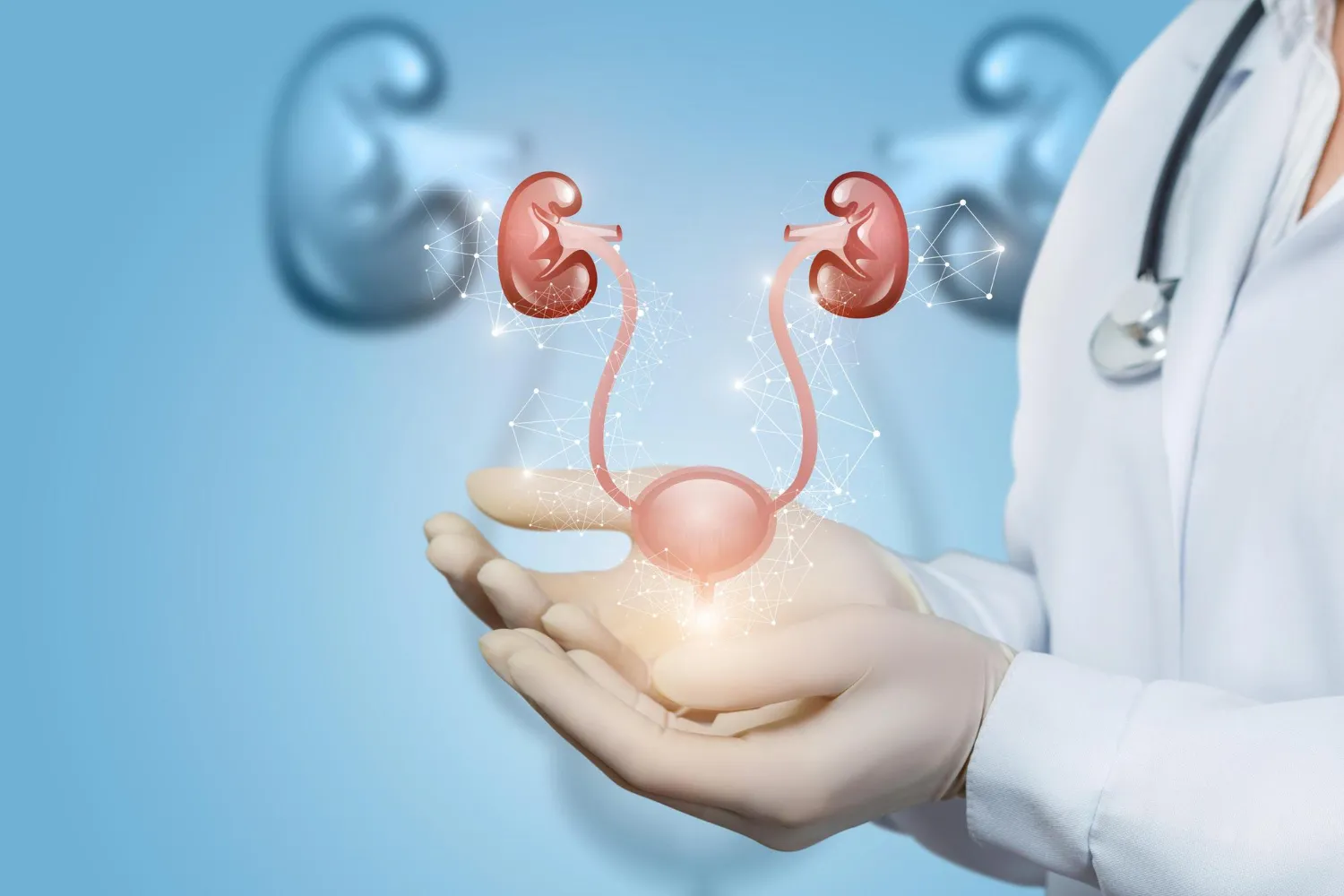








Managing complex stone disease requires a combination of advanced diagnostic capabilities, experienced surgical expertise, and access to modern urological technology. Kidney and urinary stones that recur, grow large, or migrate into challenging anatomical areas demand specialized care—not only to remove the stones but also to prevent long-term organ damage, infections, or functional loss. In recent years, South Africa has become a prominent destination for medical tourists seeking such expertise.
The country’s health sector offers a blend of world-class surgical capabilities, modern infrastructure, and cutting-edge minimally invasive techniques that align with medical tourism trends focused on safety, precision, and faster recovery. This article provides an in-depth overview of why South Africa is increasingly recognized as a premier destination for managing complex stone disease cases, what international patients can expect, and how the nation’s urological specialists maintain high standards of care.
Understanding Complex Stone Disease in International Patients
Complex stone disease goes beyond standard kidney stones that can be treated conservatively or with straightforward procedures. These cases involve:
- Large renal calculi such as staghorn stones
- Stones resistant to shockwave therapy
- Stones located in anatomically difficult areas
- Recurrent stone formation linked to metabolic disorders
- Stones accompanied by infections, obstruction, or structural abnormalities
- Multiple stones within both kidney and ureteral systems
Medical tourists with such conditions typically seek advanced care after experiencing incomplete treatments, misdiagnoses, or recurring symptoms. South Africa’s specialists are trained to identify underlying causes and deliver targeted solutions with an emphasis on long-term prevention.
Why South Africa Stands Out for Complex Stone Disease Treatment
1. Globally Comparable Surgical Expertise
South African urological surgeons undergo rigorous postgraduate training, often complemented by subspecialty fellowships in endourology, minimally invasive surgery, and laser-based interventions. Many participate in global medical congresses, research programs, and academic training of future specialists.
Their exposure to a high volume of cases, including complex stone conditions, ensures that they are well-versed in a broad spectrum of advanced procedures, from rigid and flexible ureteroscopy to challenging percutaneous nephrolithotomy (PCNL) cases requiring anatomical precision and intraoperative adaptability.
2. A Strong Culture of Subspecialization
Complex stone disease frequently demands integrated care between:
- Endourologists
- Minimally invasive surgeons
- Reconstructive urologists
- Radiologists
- Nephrologists
South Africa’s multidisciplinary environment fosters collaboration and coordinated care, which is essential for cases where stones coexist with infections, congenital anomalies, or renal function impairment.
3. Advanced Diagnostic Technologies
Accurate imaging plays a central role in designing successful surgical plans. South African centers regularly utilize:
- Non-contrast CT scans with advanced 3D reconstruction
- Internationally comparable ultrasound technology
- Low-dose CT options for vulnerable patients
- Digital fluoroscopy for intraoperative precision
These tools allow surgeons to map even the most complex stone formations, reducing risks of complications and guiding the most effective intervention strategy.
Minimally Invasive Techniques for Complex Stone Cases
South Africa’s surgical teams are highly trained in a wide range of minimally invasive modalities, helping medical tourists benefit from reduced hospital stays, minimal scarring, and quicker recovery times.
1. Percutaneous Nephrolithotomy (PCNL)
PCNL remains the gold-standard technique for large or complicated renal stones. South African specialists deliver:
- Ultrasound-guided access to reduce radiation exposure
- Mini-PCNL and micro-PCNL for pediatric or anatomically delicate cases
- Supine and prone positioning options based on safety and access requirements
- Laser lithotripsy and advanced suction devices for improved stone clearance
This procedure is often recommended for:
- Staghorn calculi
- Stones larger than 2 cm
- Stones resistant to shockwave therapy
- Stones in calyces with narrow infundibula
2. Flexible Ureteroscopy and Laser Lithotripsy (FURSL)
Flexible ureteroscopy is advantageous for:
- Mid- to small-sized stones
- Complex lower-pole stones
- Stones in patients with bleeding risks
South African specialists widely use high-power holmium or thulium fiber lasers for dusting and fragmentation.
3. Shockwave Lithotripsy (SWL) for Select Complex Cases
Although SWL may not be ideal for all complex cases, it remains valuable for:
- Upper ureteric stones
- Stones with favorable density and location
- Patients seeking a non-invasive option
Advanced digital targeting and patient-specific settings help improve success rates.
4. Combined Approaches for Challenging Scenarios
Hybrid solutions such as ECIRS (Endoscopic Combined Intrarenal Surgery) are increasingly common, especially for complex renal anatomy or large stone burdens. Surgeons use a combination of PCNL and flexible ureteroscopy, working simultaneously to improve stone clearance and reduce operative time.
Comprehensive Pre- and Post-Operative Care for International Patients
1. Personalized Metabolic Stone Analysis
Chronic stone formation often results from:
- Dietary imbalance
- Underlying metabolic conditions
- Genetic predispositions
- Dehydration or climate-related factors
- Kidney function irregularities
South African specialists emphasize metabolic evaluations that include:
- 24-hour urine analysis
- Serum biochemical mapping
- Stone composition testing
This helps medical tourists receive long-term preventive strategies rather than temporary surgical solutions.
2. Structured Follow-Up and Remote Monitoring
Many South African providers offer remote follow-up consultations, especially important for international patients who return home soon after surgery. Patients receive:
- Digital imaging reviews
- Post-procedure lifestyle guidance
- Medication and supplementation advice
- Recurrence prevention plans
What International Patients Value Most About South African Surgical Expertise
1. Precision and Safety in High-Risk Cases
Patients traveling for stone disease treatment often suffer from:
- Recurrent infections
- Severe pain episodes
- Kidney obstruction
- Reduced kidney function
South African surgeons are highly skilled in managing high-risk cases, including those requiring repeat surgeries or simultaneous treatment of anatomical abnormalities.
2. Faster Treatment Planning
Medical tourists value streamlined pathways including:
- Same-week diagnostic imaging
- Immediate multidisciplinary case reviews
- Short waiting times for procedures
- Efficient coordination of pre-operative and post-operative steps
3. Access to Modern Infrastructure
South Africa’s urology units often feature:
- High-definition endoscopic systems
- State-of-the-art laser equipment
- Digital integrated operating rooms
- Advanced sterilization technologies
- Comfortable recovery suites designed for international patients
Why South Africa Is a Strong Choice for Medical Tourism in Stone Disease Treatment
1. Cost-Effective Surgical Solutions
Compared to many Western countries, South Africa offers highly competitive pricing for procedures such as PCNL, ureteroscopy, and laser lithotripsy—without compromising quality or safety.
2. Strong English-Speaking Medical Environment
Communication is a major advantage for international patients. English is widely spoken, and medical terminology is aligned with global standards.
3. Attractive Travel Destination
Many patients combine treatment with recuperation in South Africa’s diverse landscapes, including coastal cities, wildlife reserves, and wellness retreats.
4. Short Waiting Times
Unlike health systems with long surgical backlogs, South Africa offers predictable scheduling, ideal for patients with urgent stone conditions.
South Africa’s Rising Leadership in Complex Stone Disease Care
In conclusion,South Africa’s combination of advanced urological technologies, subspecialty expertise, coordinated multidisciplinary care, and strong medical infrastructure positions it as a premier destination for complex stone disease treatment. For medical tourists facing recurrent, large, or complicated kidney stones, the country offers high-precision solutions delivered within a welcoming and internationally aligned healthcare environment.
Patients benefit not only from expert surgical intervention but also from comprehensive diagnostic workups, modern postoperative monitoring, and personalized strategies to prevent recurrence. As demand grows for minimally invasive, high-outcome stone disease management, South Africa’s urological specialists continue to stand at the forefront of innovation—making the nation a trusted choice for challenging urological conditions worldwide.
Ready to consult a top urology specialist and explore world-class treatment in South Africa? ProstaCare Travel connects you directly with leading urologists, including a no-obligation virtual consultation with Specialist Urologist Dr. Kalpee before you travel. Through bespoke treatment packages—including advanced procedures like HoLEP, Rezūm, and minimally invasive therapies—paired with full-service concierge care, ProstaCare ensures seamless medical travel from start to finish. With exceptional clinical standards, modern hospitals, and cost-effective pricing, you can access premium urological care without compromise. Click here to begin your journey with ProstaCare Travel: https://www.better.medicaltourism.com/facilitators-platform-single?facilitator=prostacare-travel


