


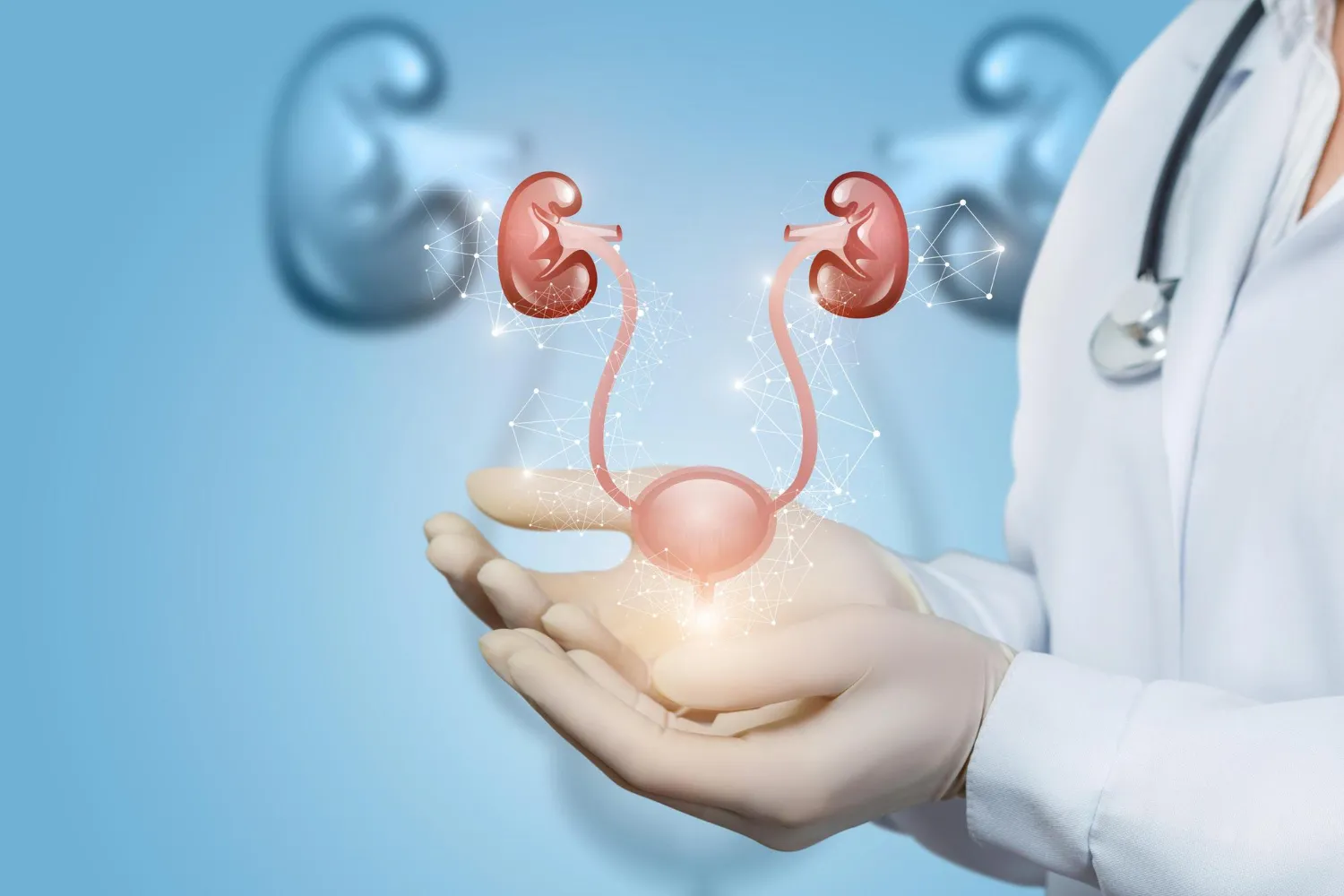








Urology in Africa has evolved rapidly over the past two decades, transforming the continent into a destination known for excellence, high-standards, and advanced techniques in both prostate health and stone disease management. With the rise of medical tourism, many international patients are now looking beyond traditional destinations and choosing Africa for its blend of clinical expertise, affordability, and cutting-edge medical technologies.
This article explores the strengths of leading urologists across the continent, the advanced procedures they offer, the technological landscape shaping urological care, and why Africa continues to attract patients seeking high-quality prostate and stone treatment. No individual doctors or hospitals are named—this is an educational, industry-focused perspective for medical tourism professionals seeking deeper insights.
Africa’s Growing Reputation in Urological Excellence
African urology has moved far beyond basic surgical interventions. Today, top urologists across the continent are trained in some of the world’s most advanced centers, have extensive exposure to minimally invasive techniques, and are experienced in treating complex cases that often require specialized expertise.
International patients seek African urologists for several reasons:
1. Expertise in Minimally Invasive Procedures
Modern African urology practices offer procedures such as:
- HoLEP (Holmium Laser Enucleation of the Prostate)
- GreenLight laser therapy
- TURP (Transurethral Resection of the Prostate)
- Rezum water-vapor therapy
- UroLift
- FURS (Flexible Ureteroscopy)
- PCNL (Percutaneous Nephrolithotomy)
- Mini-PCNL and Ultra-Mini PCNL
- ESWL (Shockwave Lithotripsy)
These treatments reduce hospitalization times, minimize blood loss, and offer faster recovery—critical benefits for international travelers.
2. Strong Diagnostic Capabilities
Africa’s top urology centers are equipped with high-end diagnostic tools such as:
- Multiparametric MRI for prostate assessment
- High-resolution ultrasound
- CT urography
- Endoscopic and cystoscopic technologies
- 3D imaging for stone burden evaluation
These tools enhance accuracy in treatment planning and allow urologists to choose the least invasive and most effective approach.
3. Training and Global Exposure
Many urologists in Africa have undergone advanced fellowships in:
- Endourology
- Laparoscopic urology
- Reconstructive urology
- Andrology
- Female urology
- Robotic surgery
Their global experience combined with local expertise strengthens Africa’s competitiveness as a treatment hub.
Comprehensive Stone Disease Management in Africa
Kidney and urinary stones are among the most common urological conditions managed by African specialists. Because stone disease often requires a combination of technology, expertise, and precision, patients increasingly recognize Africa’s capabilities in handling even advanced or recurrent cases.
1. Advanced Imaging for Accurate Stone Mapping
Top urologists rely on CT scans, stone composition analysis, and endoscopic evaluation to map the size, density, and location of stones. This allows for precise selection of treatment pathways, especially for:
- Large renal calculi
- Multiple stones
- Ureteric obstruction
- Stones associated with infection
2. Non-Invasive and Minimally Invasive Stone Treatments
African urologists are experts in a variety of stone-removal techniques tailored to each patient:
ESWL (Extracorporeal Shockwave Lithotripsy)
Preferred for smaller stones, ESWL uses high-energy sound waves to break stones into passable fragments.
Flexible Ureteroscopy (FURS)
Allows direct visualization of stones in the kidney or ureter, followed by laser fragmentation. Ideal for complex or hard-to-reach stones.
PCNL (Percutaneous Nephrolithotomy)
The gold standard for larger stones (>2 cm). African specialists are highly experienced in:
- Standard PCNL
- Mini-PCNL
- Ultra-mini PCNL
These specialized techniques reduce recovery time while offering precise stone clearance.
Holmium Laser Lithotripsy
This technology is widely available in top African centers, enabling efficient fragmentation of even the hardest stones with minimal tissue damage.
3. Integrated Post-Treatment Stone Prevention
Comprehensive stone management includes:
- Metabolic evaluation
- Personalized hydration plans
- Dietary counseling
- Recurrence-prevention strategies
- Regular imaging follow-ups
African urologists emphasize prevention as much as treatment, offering long-term guidance for international patients.
Specialized Prostate Care: Advanced Solutions for Men’s Health
Prostate disorders—especially BPH (Benign Prostatic Hyperplasia) and prostate cancer—are key reasons for international patients to travel to Africa. Urologists across the continent offer a well-rounded approach combining early diagnosis, minimally invasive therapy, and long-term disease management.
1. Comprehensive Prostate Evaluation
Urologists in Africa utilize advanced tools for accurate evaluation:
- PSA testing
- Multiparametric MRI
- MRI Fusion-guided biopsy
- Uroflowmetry
- Prostate volume analysis
- Digital rectal examination
This enables early detection and accurate grading of prostate disorders.
2. Minimally Invasive BPH Treatments
Africa is home to specialists proficient in the newest BPH treatments:
HoLEP (Holmium Laser Enucleation of the Prostate)
Considered the gold standard for large prostates, offering minimal bleeding, complete tissue removal, and durable outcomes.
GreenLight Laser Therapy
Ideal for patients requiring a blood-sparing approach, including those on anticoagulants.
Rezum Water-Vapor Therapy
A rising, highly effective non-surgical option for moderate BPH.
UroLift
A minimally invasive implant-based approach that lifts and opens the urethra without cutting tissue.
TURP (Transurethral Resection of Prostate)
Still widely used but with improved technologies that reduce hospital stays.
3. Prostate Cancer Diagnostics and Management
Top African urologists offer advanced diagnostics and treatment planning including:
- Targeted biopsies
- MRI fusion technologies
- Staging and risk stratification
- Active surveillance protocols
- Minimally invasive surgeries
- Radiotherapy coordination with oncology teams
Many centers use multidisciplinary tumor boards to guide treatment decisions—critical for international patients seeking clarity and confidence.
Technological Advancements Elevating Urological Care in Africa
African urology practices have rapidly integrated modern medical technologies essential for high-quality outcomes. Key innovations include:
Holmium and Thulium Lasers
Used for both stone and prostate surgeries.
Digital Flexible Ureteroscopes
Provide clear, high-resolution visualization for stone access.
Robotic Assistance in Urology
Though still expanding, several African markets have adopted robotic systems for:
- Prostatectomy
- Pyeloplasty
- Partial nephrectomy
Advanced Endoscopic Platforms
Allow high precision for both diagnostic and therapeutic interventions.
Why International Patients Choose Africa
Medical travelers increasingly select Africa for urological care due to several competitive advantages:
1. Cost-Effective Treatment Without Compromising Quality
Many countries offer significantly lower costs for procedures such as HoLEP, PCNL, or TURP compared to Europe or North America.
2. Shorter Waiting Times
African specialists prioritize fast access to diagnostics and surgery—ideal for patients with urgent stone or prostate issues.
3. High Clinical Standards
Modern operating theaters, advanced imaging, and sterile environments meet global expectations.
4. Multilingual Teams
Urology centers across Africa often provide support in English, French, Arabic, Portuguese, and regional languages, easing communication for patients.
5. Tourism Integration
Many destinations offer exceptional recovery environments, combining medical care with cultural and natural attractions.
Selecting the Right Urologist in Africa: Key Considerations
Medical tourism professionals should guide patients using the following criteria:
1. Training and Certification
Seek urologists with fellowship training in:
- Endourology
- Laparoscopic or robotic surgery
- Stone disease management
2. Case Volumes
Higher case volumes typically correlate with improved outcomes in procedures such as HoLEP or PCNL.
3. Technology Availability
Ensure access to holmium lasers, digital ureteroscopes, robotic platforms, or high-resolution imaging.
4. Patient-Centric Care Models
Look for centers that offer:
- Coordinated care
- Pre- and post-operative counseling
- International patient support
5. Multidisciplinary Collaboration
Effective stone and prostate care often require cooperation with:
- Radiologists
- Oncologists
- Nephrologists
- Primary physicians
In conclusion, Africa’s leading urologists are reshaping the continent’s medical tourism landscape through exceptional expertise in stone disease and prostate care. With strong diagnostic capability, advanced minimally invasive techniques, and patient-centered care pathways, Africa has secured a competitive position among global urology destinations.
For international patients—and the professionals who guide them—the continent offers a compelling combination of affordability, technology, and world-class expertise.
Ready to consult a top urology specialist and explore world-class treatment in South Africa? ProstaCare Travel connects you directly with leading urologists, including a no-obligation virtual consultation with Specialist Urologist Dr. Kalpee before you travel. Through bespoke treatment packages—including advanced procedures like HoLEP, Rezūm, and minimally invasive therapies—paired with full-service concierge care, ProstaCare ensures seamless medical travel from start to finish. With exceptional clinical standards, modern hospitals, and cost-effective pricing, you can access premium urological care without compromise. Click here to begin your journey with ProstaCare Travel: https://www.better.medicaltourism.com/facilitators-platform-single?facilitator=prostacare-travel


