


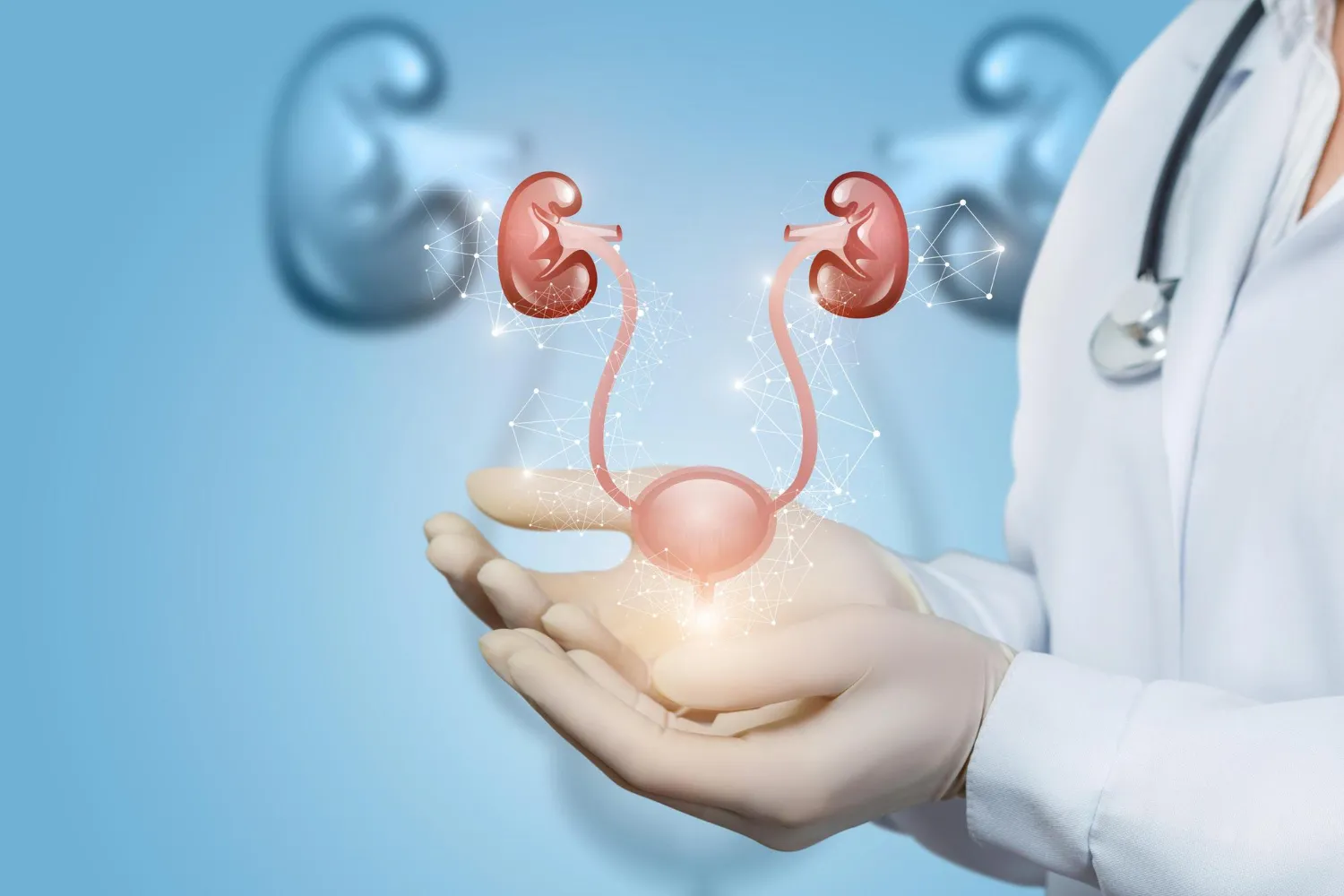








Kidney stones are a widespread urological condition that affects millions worldwide, with many patients seeking fast, minimally invasive treatments to reduce downtime and restore quality of life. In recent years, South Africa has become one of the top destinations in Africa for advanced endoscopic kidney stone removal, attracting international patients seeking world-class care, competitive pricing, and specialized expertise. Endoscopic techniques—including ureteroscopy, laser lithotripsy, and retrograde intrarenal surgery (RIRS)—have revolutionized stone management by offering safer, faster recovery alternatives to traditional open surgery.
For medical tourism professionals, understanding why South Africa’s urologists are preferred for advanced stone treatment is essential for guiding patients toward the right care pathway. This article provides an in-depth, high-level overview of endoscopic kidney stone removal procedures, the expertise of South African urologists, benefits for medical tourists, technology used, patient experience considerations, and what to evaluate when selecting a specialist.
Why South Africa Is a Preferred Destination for Endoscopic Kidney Stone Removal
South Africa has established itself as a trusted destination in the urology field due to its combination of medical expertise, internationally aligned clinical standards, modern equipment, and skilled support teams. Several factors make it especially attractive to medical tourists:
1. Advanced Endoscopic and Laser Technology
South African urology centers are equipped with modern endoscopic systems, flexible ureteroscopes, digital imaging towers, and high-precision laser devices such as Holmium:YAG and Thulium fiber lasers. These innovations allow specialists to fragment stones with exceptional accuracy, even in hard-to-reach areas.
2. Highly Skilled Urologists With Sub-Specialty Expertise
Urologists in South Africa typically undergo extensive specialty training, and many pursue advanced fellowships in minimally invasive surgery and stone disease. Their expertise covers the full spectrum of endoscopic kidney stone procedures, from ureteroscopy to complex intrarenal surgery.
3. Excellent Clinical Infrastructure
South Africa’s private healthcare sector is recognized for its modern surgical suites, cutting-edge diagnostic platforms, efficient patient flow systems, and comprehensive postoperative support.
4. Cost-Effective Options for International Patients
Compared to North America, Europe, and parts of the Middle East, South Africa provides competitive pricing for endoscopic procedures without compromising quality of care.
5. Reduced Patient Downtime Due to Minimally Invasive Techniques
Endoscopic removal minimizes bleeding, scarring, and postoperative pain, enabling faster recovery and shorter hospital stays—an important factor for medical tourists.
Understanding Endoscopic Kidney Stone Removal
Endoscopic kidney stone removal refers to surgical techniques that allow urologists to access the urinary tract without incisions. These procedures utilize tiny scopes, micro-laser fibers, and specialized tools to break and extract stones safely.
Below are the primary endoscopic methods commonly used by South African urologists:
1. Ureteroscopy (URS)
Ureteroscopy involves passing a thin, flexible scope through the urethra into the bladder and further into the ureter or kidney.
Key Features:
- No external incision
- Direct visualization of the urinary tract
- Laser lithotripsy performed through the scope
- Suitable for ureteric stones and small kidney stones
Advantages for Patients:
- Outpatient or same-day discharge
- High success rate
- Minimal postoperative discomfort
- Quick return to normal activities
2. Retrograde Intrarenal Surgery (RIRS)
RIRS is a more advanced approach using high-tech flexible ureteroscopes to reach stones deep within the kidney.
Ideal For:
- Hard-to-access renal stones
- Multiple small stones
- Recurring stone cases
- Patients who cannot undergo shockwave therapy
Benefits:
- Laser fragmentation with precise control
- Minimal trauma to surrounding tissues
- Suitable for patients with medical comorbidities
3. Laser Lithotripsy
The use of Holmium:YAG or Thulium fiber lasers allows specialists to pulverize stones into dust-like particles that pass naturally or are extracted with baskets.
Key Benefits:
- Effective on hard, dense stones
- Safe for fragile tissues
- Allows complete stone clearance in a single session
4. Mini-PCNL as a Hybrid Option
Although PCNL (Percutaneous Nephrolithotomy) involves a small back incision, the mini-PCNL variation is sometimes used alongside endoscopic techniques for larger stones.
Why It Matters:
- Provides an option for stones too large for URS or RIRS
- Less invasive than traditional surgery
- Often used in hybrid endoscopic laser approaches
What Makes a Urologist a “Top Specialist” for Endoscopic Kidney Stone Removal?
When evaluating leading specialists in South Africa for endoscopic stone management, several criteria define excellence:
1. Expertise in Advanced Techniques
A top specialist handles the full range of endoscopic procedures, including complex RIRS cases, bilateral stone treatment, and recurrent stone disease.
2. Proficiency With Laser Technology
The ability to use high-precision lasers effectively directly influences outcomes.
3. Extensive Clinical Experience
High procedural volumes correlate with lower complication rates and faster recovery times.
4. Strong Diagnostic Capabilities
Stone analysis, metabolic evaluation, CT imaging interpretation, and personalized prevention strategies demonstrate a comprehensive approach.
5. Patient-Centered Care Model
International patients require clear communication, structured treatment planning, and coordinated logistics.
6. Multidisciplinary Collaboration
Top specialists work closely with radiologists, nephrologists, dietitians, anesthetists, and physiologists to ensure holistic urological care.
Why Medical Tourists Choose South Africa for Kidney Stone Treatment
1. Shorter Waiting Times
Unlike some public systems in other regions, private urology centers in South Africa offer swift scheduling for procedures.
2. Seamless Medical Tourism Support
Many facilities provide international patient coordination, including travel guidance, accommodation arranging, and translation services where needed.
3. Comprehensive Diagnostic Packages
Full evaluations—including CT scans, lab tests, stone analysis, and follow-up imaging—are available under one roof.
4. Personalized Treatment Plans
Urologists tailor care based on stone size, composition, location, and patient medical history.
5. World-Class Safety Standards
Adherence to international surgical protocols ensures optimal postoperative outcomes, which is crucial for same-trip recovery.
Innovative Technologies Used in South Africa for Endoscopic Stone Removal
South Africa’s private urology sector is continuously upgrading to offer some of the most advanced technologies in minimally invasive stone surgery:
1. Digital Flexible Ureteroscopes
Provide high-resolution visualization for complex RIRS cases.
2. Thulium Fiber Laser (TFL) Systems
Known for finer stone dusting and faster fragmentation speeds.
3. High-Resolution Imaging Modalities
3D CT reconstruction for pre-operative planning.
4. Stone Retrieval Micro-Baskets
Allow precise fragment extraction with minimal trauma.
5. Endoscopic Pressure-Control Systems
Minimize intrarenal pressure and reduce infection risk.
Patient Journey: What International Patients Can Expect
1. Pre-Arrival Coordination
- Review of medical history
- Uploading previous imaging
- Initial teleconsultation with a urologist
2. On-Arrival Diagnostic Workup
- Ultrasound or CT scan
- Kidney function tests
- Metabolic screening
3. Procedure Planning
The specialist recommends URS, RIRS, or combined laser treatment based on stone characteristics.
4. The Procedure
- Conducted under general anesthesia
- Duration: 45–90 minutes on average
- Stent placement may be required
5. Recovery
- Same-day or next-day discharge
- Return to normal activities within 48–72 hours
- Follow-up imaging can be done before departure
Risks and Considerations for Medical Tourists
While endoscopic kidney stone removal is extremely safe, patients should be aware of potential risks:
Common Risks:
- Minor bleeding
- Temporary urinary discomfort
- Passing stone fragments
- Stent-related symptoms
Rare Risks:
- Ureteric injury
- Infection
- Need for repeat procedure
Mitigation Strategies:
- Choose specialists with high procedural volumes
- Ensure preoperative imaging is up to date
- Complete a metabolic evaluation for stone recurrence prevention
How to Choose the Right Urologist in South Africa
Medical tourism professionals should guide patients to specialists who:
Are experienced in advanced endoscopic and laser techniques
Possess strong credentials in minimally invasive urology
Have access to modern urological equipment
Offer transparent treatment packages for international patients
Provide clear postoperative follow-up plans
Maintain high patient satisfaction ratings and low complication rates
To conclude, South Africa has become a top destination for endoscopic kidney stone removal due to its specialized urologists, modern surgical technology, streamlined patient services, and commitment to minimally invasive excellence. International patients benefit from efficient treatment pathways, competitive costs, and comprehensive care delivered by highly trained urological teams.
Ready to consult a top urology specialist and explore world-class treatment in South Africa? ProstaCare Travel connects you directly with leading urologists, including a no-obligation virtual consultation with Specialist Urologist Dr. Kalpee before you travel. Through bespoke treatment packages—including advanced procedures like HoLEP, Rezūm, and minimally invasive therapies—paired with full-service concierge care, ProstaCare ensures seamless medical travel from start to finish. With exceptional clinical standards, modern hospitals, and cost-effective pricing, you can access premium urological care without compromise. Click here to begin your journey with ProstaCare Travel: https://www.better.medicaltourism.com/facilitators-platform-single?facilitator=prostacare-travel


