


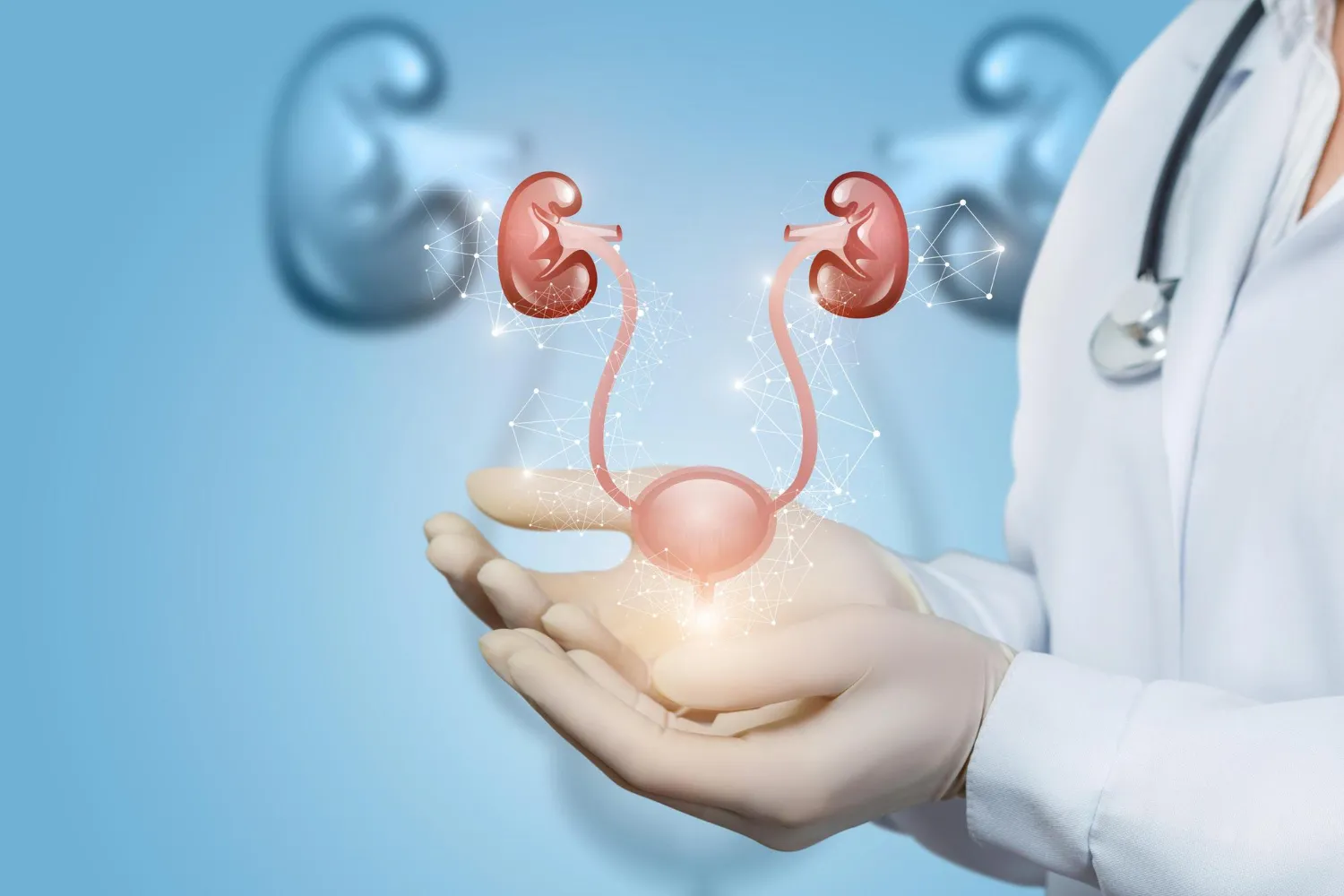








Africa has emerged as a rapidly growing hub for high-quality urological care, especially in the diagnosis and treatment of kidney and urinary tract stones. With significant investments in modern technology, minimally invasive procedures, and structured clinical pathways, many centers across the continent now offer a level of stone management that meets international expectations. For medical tourism professionals, understanding what defines a top-tier stone management center in Africa is essential for guiding international patients toward safe, effective, and affordable care.
This article explores the key characteristics, technologies, and patient-care principles that distinguish the best stone management centers in Africa—without referencing specific hospitals or individual practitioners. It also highlights why the continent is becoming a preferred medical tourism destination for stone-related treatments.
Understanding Stone Disease and the Need for Specialized Centers
Kidney and urinary tract stones—composed of mineral salts that crystallize within the urinary system—are increasingly common worldwide. Stone disease requires both acute management and long-term prevention, making it crucial for facilities to provide comprehensive, multidisciplinary care.
Why Specialized Centers Matter
Top stone management centers offer:
- Accurate diagnostics through advanced imaging
- Expertise in minimally invasive urological surgery
- Comprehensive metabolic evaluation
- Integrated care pathways for recurrence prevention
- State-of-the-art equipment for safe and effective treatment
These elements are essential for medical travelers seeking predictable outcomes and streamlined care.
Core Features of Leading Stone Management Centers in Africa
Across Africa, the leading centers share a distinct set of clinical, technological, and operational characteristics that define excellence in stone disease care.
1. Advanced Diagnostic Capabilities
Correct diagnosis drives treatment success. The best African centers invest heavily in modern diagnostic tools such as:
High-Resolution Imaging
- Non-contrast CT scans for stone localization and density measurement
- Digital X-ray systems for follow-up and treatment planning
- Ultrasound technologies offering radiation-free options
Laboratory Capabilities
- Stone analysis for determining composition
- Comprehensive metabolic workups
- Renal function evaluation for pre-surgical planning
Digital Workflows
Many centers utilize digital imaging archives, allowing clinicians to coordinate seamlessly across disciplines—a major advantage for medical tourists requiring efficient care pathways.
2. Minimally Invasive Surgical Technologies
Minimally invasive procedures have transformed stone treatment by reducing recovery time and improving patient comfort. Leading African centers typically offer a spectrum of advanced interventions such as:
Shock Wave Lithotripsy (SWL)
A non-invasive procedure using focused shock waves to break stones into small fragments. Modern systems in Africa now feature imaging fusion for precision targeting.
Flexible Ureteroscopy (FURS) with Laser Lithotripsy
One of the most common approaches for stones in the kidney and ureter, featuring:
- High-definition digital ureteroscopes
- Holmium:YAG or Thulium fiber laser systems
- Zero-dust fragmentation techniques
Percutaneous Nephrolithotomy (PCNL)
For larger or complex stones, leading centers employ:
- Mini-PCNL and ultra-mini PCNL techniques
- Advanced intraoperative imaging
- Laser or ultrasonic energy sources for fragmentation
Micro-Invasive Options
Micro-PCNL and micro-ureteroscopy allow treatment of stones with minimal tissue disruption, appealing to both international patients and those seeking faster recovery.
3. Multidisciplinary Urological Teams
Stone management demands coordinated care from specialists across several domains. Top centers typically feature teams skilled in:
- Endourology
- Nephrology
- Radiology
- Interventional imaging
- Dietetics / nutrition
- Preventive medicine
These collaborative teams create individualized treatment pathways that consider both immediate care and recurrence prevention—a major reassurance for overseas patients.
4. Comprehensive Pre- and Post-Treatment Care
Medical tourism patients require predictable, structured care. African stone centers excelling in this area offer:
Pre-Arrival Support
- Virtual consultations
- Rapid case triage
- Travel guidance tailored to medical requirements
In-Hospital Care
- Detailed treatment planning
- Multimodal pain management
- Post-treatment monitoring and real-time imaging
Follow-Up and Prevention Programs
Quality centers emphasize long-term prevention through:
- Metabolic evaluation
- Customized dietary plans
- Hydration strategies
- Stone recurrence monitoring protocols
Such continuity of care positions Africa competitively among global medical tourism destinations.
5. Use of Modern Operating Room Infrastructure
State-of-the-art centers invest in modern surgical environments including:
Integrated Endourology Suites
Equipped with:
- Real-time fluoroscopy
- Digital endoscopic towers
- High-performance laser systems
Sterile Processing & Infection Control
High-quality sterilization infrastructure supports patient safety—a top priority for international travelers.
Robust Post-Anesthesia Care Units
Essential for safe management of complex procedures such as PCNL.
6. Patient-Centered Services for Medical Tourists
Africa’s leading stone management centers understand the expectations of international patients and incorporate:
Multilingual Support
Assisting travelers from regional and international markets.
Coordinated Case Managers
Acting as a single point of contact from pre-arrival to post-discharge.
Transparent Treatment Packages
Providing predictable costs—an important factor driving medical tourism.
Comfort-Focused Recovery Environments
Designed for extended stays when needed.
7. Adherence to International Treatment Protocols
To ensure best-practice care, African stone centers increasingly follow global clinical guidelines for:
- SWL indications and safety
- Laser lithotripsy techniques
- PCNL surgical standards
- Postoperative imaging and follow-up
- Stone recurrence assessment
Alignment with international protocols builds confidence among medical tourism facilitators and patients evaluating cross-border care options.
Why Africa Is Becoming a Preferred Destination for Stone Management
Several factors contribute to the continent’s rising profile in stone care:
1. Competitive Treatment Costs
African centers provide high-quality care at significantly lower costs compared to Europe, the Middle East, and North America.
2. Access to Modern Technology
Growing investment in digital ureteroscopes, thulium fiber lasers, and mini-PCNL systems is rapidly narrowing the gap with Western facilities.
3. Shorter Waiting Times
Patients can often schedule procedures quickly—critical for those experiencing severe stone symptoms.
4. Training and Skill Development
Leading centers increasingly participate in international workshops, training programs, and continuous medical education.
5. Growth of Medical Tourism Ecosystems
Many regions now provide:
- Efficient airport connectivity
- Hospitality infrastructure
- Streamlined visa processes for treatment seekers
Choosing the Best Stone Management Center in Africa for Medical Travelers
For industry professionals guiding international patients, the following criteria are essential when evaluating African stone centers:
Clinical Expertise
- Proven outcomes in SWL, FURS, and PCNL
- Availability of mini-invasive technologies
- Experience handling complex or recurrent stone cases
Technology and Equipment
- Laser lithotripsy systems
- Flexible digital ureteroscopes
- CT and ultrasound integration
- Modern endourology suites
Safety Standards
- Strong infection control protocols
- ICU availability for complex cases
- 24/7 emergency support
Patient Experience
- Multilingual care teams
- Case coordination for visa and travel
- Rehabilitation and follow-up programs
Transparent Pricing
Medical travelers prioritize predictable, upfront cost structures.
In conclusion, Africa’s stone management centers are steadily establishing themselves as world-class destinations for kidney and urinary stone treatment. Through significant investment in advanced diagnostics, minimally invasive technologies, skilled multidisciplinary teams, and patient-centered services, the continent is now attracting medical travelers seeking high-quality care at competitive prices.
For medical tourism professionals, this evolution presents a valuable opportunity: the ability to connect patients to modern, efficient, and outcome-driven stone management care across Africa—without compromising safety, comfort, or clinical standards.
Ready to consult a top urology specialist and explore world-class treatment in South Africa? ProstaCare Travel connects you directly with leading urologists, including a no-obligation virtual consultation with Specialist Urologist Dr. Kalpee before you travel. Through bespoke treatment packages—including advanced procedures like HoLEP, Rezūm, and minimally invasive therapies—paired with full-service concierge care, ProstaCare ensures seamless medical travel from start to finish. With exceptional clinical standards, modern hospitals, and cost-effective pricing, you can access premium urological care without compromise. Click here to begin your journey with ProstaCare Travel: https://www.better.medicaltourism.com/facilitators-platform-single?facilitator=prostacare-travel


