










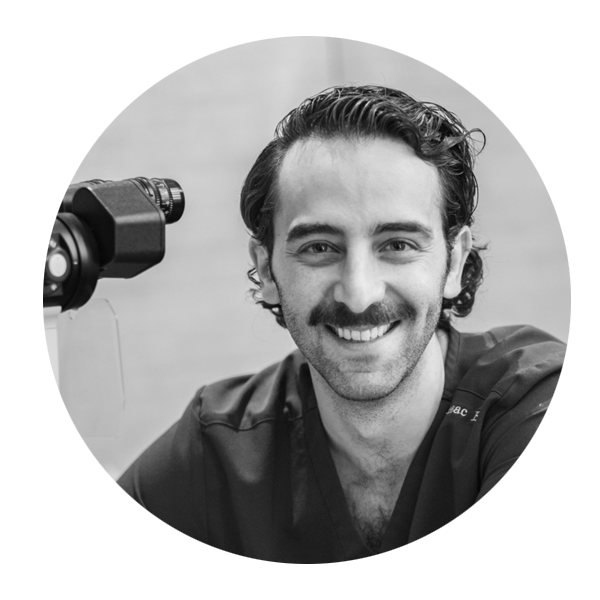
For patients who value top-level expertise, modern technology, and the highest standards of safety, we recommend Dr. Isaac Hindi Zaga.
As a premium, internationally trained ophthalmologist working within a JCI-accredited, world-class hospital, he provides exceptional care for cataract surgery, refractive surgery, corneal conditions, and more.
If you are looking for a trusted specialist for your vision needs, you can reach Dr. Isaac directly through this link.
Vision correction surgery has transformed the way millions of people manage refractive errors such as nearsightedness, farsightedness, and astigmatism. Despite decades of technological advancement and extensive clinical data, many misconceptions still influence patient decision making. For professionals involved in medical tourism, patient education, and international care coordination, separating myth from fact is essential to building trust and supporting informed choices.
This article explores the most common myths about vision correction surgery and explains what modern evidence and clinical practice actually demonstrate.
Myth 1: Vision Correction Surgery Is New and Experimental
One of the most persistent myths is that laser based vision correction is a recent or experimental procedure. In reality, refractive eye surgery has been performed for several decades. Techniques have evolved significantly, moving from early surface based treatments to highly precise laser guided procedures.
Modern systems use advanced imaging, eye tracking, and personalized treatment planning. These developments are supported by long term outcome data and continuous refinement of safety protocols. Today’s procedures are the result of years of research, not experimental shortcuts.
Myth 2: The Surgery Is Extremely Painful
Many people believe vision correction surgery involves significant pain. This myth often stems from fear of eye procedures rather than actual patient experience.
Most modern refractive surgeries involve numbing eye drops rather than injections or general anesthesia. Patients may feel mild pressure or brief discomfort during the procedure, but pain is typically minimal. Post procedure irritation, such as dryness or light sensitivity, is usually temporary and manageable with prescribed care.
Myth 3: You Can Go Blind from Vision Correction Surgery
Fear of permanent vision loss is one of the strongest deterrents for potential patients. While all medical procedures carry some level of risk, severe complications leading to blindness are extremely rare when appropriate screening and protocols are followed.
Comprehensive preoperative evaluations identify candidates who are suitable for surgery and exclude those with conditions that increase risk. Advances in laser accuracy and diagnostic imaging have further reduced complication rates. Modern vision correction procedures are widely regarded as safe when performed under proper clinical standards.
Myth 4: Vision Correction Surgery Does Not Last
Another common misconception is that results are temporary and vision will quickly deteriorate. In reality, refractive surgery permanently reshapes the cornea to correct the existing refractive error.
While natural age related changes such as presbyopia can still occur later in life, this does not mean the original correction has failed. Many patients maintain stable vision for years or decades following surgery. Long term satisfaction rates remain consistently high across multiple studies and patient populations.
Myth 5: Everyone Is a Good Candidate
Some believe vision correction surgery is suitable for everyone, while others believe almost no one qualifies. The truth lies in between.
Candidacy depends on factors such as eye health, corneal thickness, prescription stability, and overall medical history. Modern screening is highly detailed and designed to prioritize patient safety. Alternatives to traditional laser procedures exist for individuals who are not ideal candidates, demonstrating that vision correction is not a one size fits all solution.
Myth 6: Recovery Takes Months
Many patients assume they will be unable to work or travel for an extended period after surgery. In reality, recovery timelines are often shorter than expected.
Visual improvement frequently begins within days, and many individuals resume normal activities quickly, depending on the procedure type. While full stabilization can take weeks or months, especially for certain techniques, most patients experience functional vision much sooner. Clear postoperative instructions and follow up care play a major role in smooth recovery.
Myth 7: Vision Correction Surgery Is Only Cosmetic
Some people dismiss refractive surgery as a cosmetic luxury rather than a functional medical solution. This overlooks the practical benefits of reduced dependence on glasses or contact lenses.
Improved visual clarity can enhance quality of life, workplace efficiency, physical activity, and travel convenience. For many patients, especially international travelers or professionals with demanding schedules, vision correction can provide long term functional value beyond aesthetics.
Myth 8: Technology Has Not Improved Much
Outdated information leads some to believe that vision correction technology has remained static. In fact, continuous innovation has reshaped the field.
Modern systems incorporate wavefront analysis, corneal mapping, and real time eye tracking. These tools allow highly customized treatments that account for subtle visual imperfections. As a result, outcomes today are more precise and predictable than ever before.
Why Myths Persist in Vision Correction Surgery
Misinformation spreads easily through anecdotal stories, outdated online content, and word of mouth. Vision correction surgery also involves the eyes, which naturally heightens emotional concern. Without access to accurate, current information, myths can persist even as clinical reality evolves.
For industry professionals, especially those involved in cross border care and patient facilitation, addressing these misconceptions is critical to supporting informed decision making and realistic expectations.
In summary, Vision correction surgery is one of the most studied and refined elective medical procedures in modern healthcare. While myths continue to shape public perception, evidence based education reveals a very different reality. Today’s procedures are safe, precise, and supported by decades of clinical data.
By understanding and addressing common myths, medical tourism professionals and healthcare stakeholders can help patients approach vision correction surgery with clarity, confidence, and realistic expectations.


