









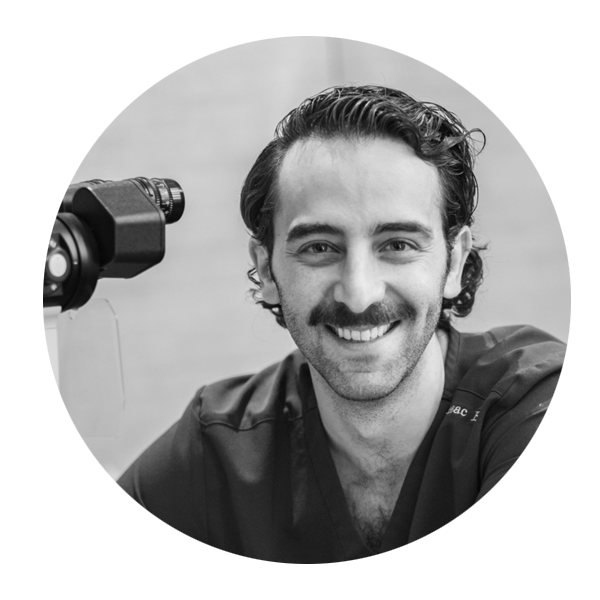
For patients who value top-level expertise, modern technology, and the highest standards of safety, we recommend Dr. Isaac Hindi Zaga.
As a premium, internationally trained ophthalmologist working within a JCI-accredited, world-class hospital, he provides exceptional care for cataract surgery, refractive surgery, corneal conditions, and more.
If you are looking for a trusted specialist for your vision needs, you can reach Dr. Isaac directly through this link.
As medical tourism continues to expand, ophthalmology has emerged as one of the most sought-after specialties for cross-border care. Vision is deeply personal, and international patients are increasingly selective when choosing eye care providers abroad. One of the most decisive factors is access to premium eye care delivered in fluent English.
English-speaking care is not merely a convenience. It is a foundational element of safety, trust, and clinical accuracy. From diagnosis to postoperative follow-up, clear communication directly influences patient outcomes. In premium ophthalmic settings, language proficiency aligns with global clinical standards, allowing patients to engage confidently in complex treatment decisions.
Why Language Matters in Ophthalmology
Eye care involves highly specialized terminology, nuanced diagnostics, and precise surgical planning. Miscommunication at any stage can lead to misunderstandings about risks, recovery expectations, or treatment alternatives. English-speaking environments help eliminate these barriers for international patients who rely on English as a shared medical language.
In premium settings, consultations are thorough and interactive. Patients can ask detailed questions about procedures such as retinal surgery, corneal transplantation, cataract extraction, or refractive correction. Informed consent becomes meaningful rather than procedural, ensuring that patients fully understand benefits, limitations, and potential complications.
Premium Eye Care Goes Beyond Fluency
While English proficiency is essential, premium eye care encompasses much more. High-end ophthalmology services are defined by a combination of advanced technology, evidence-based protocols, and individualized treatment planning.
Premium centers typically offer state-of-the-art diagnostic imaging, including optical coherence tomography, high-resolution retinal imaging, and advanced corneal mapping systems. These tools allow clinicians to detect conditions earlier and tailor interventions with greater precision. When combined with clear communication, patients gain a transparent view of their condition and treatment path.
International Training and Global Standards
Premium eye care environments often reflect international clinical exposure and continuous professional development. Practitioners working in English-speaking settings are commonly aligned with globally recognized treatment guidelines and surgical techniques.
This global orientation benefits international patients by ensuring familiarity with standardized protocols for infection control, anesthesia safety, and postoperative care. Patients traveling from different regions experience continuity of care that aligns with what they expect from top-tier healthcare systems.
Patient Experience as a Clinical Asset
In premium ophthalmology, patient experience is not separate from clinical quality. It is an integral part of the care model. English-speaking coordination teams support patients through every stage of their journey, from pre-arrival evaluations to postoperative monitoring.
Clear communication reduces anxiety, especially for patients undergoing vision-threatening procedures. Preoperative counseling helps patients prepare realistically for recovery timelines, visual outcomes, and lifestyle adjustments. Postoperative instructions are delivered clearly, reducing the risk of noncompliance and complications.
Transparency and Trust in Medical Tourism
Trust is a cornerstone of medical tourism, particularly in eye care where outcomes directly affect daily life. English-speaking premium care environments foster transparency in pricing, treatment options, and expected results.
Patients appreciate detailed explanations of why a particular surgical approach is recommended, what alternatives exist, and how outcomes are measured. This openness builds confidence and long-term trust, encouraging patients to follow through with care plans and return for follow-up when needed.
Managing Complex and Advanced Eye Conditions
International patients often travel for advanced or complex eye conditions that require specialized expertise. These may include retinal detachments, macular disorders, complex cataracts, or corneal diseases. Premium eye care settings are structured to manage such complexity through multidisciplinary collaboration and meticulous planning.
English-speaking teams ensure that diagnostic findings, surgical strategies, and postoperative risks are clearly communicated. This clarity is especially critical when multiple procedures or staged treatments are required. Patients are empowered to participate actively in their care rather than feeling overwhelmed by unfamiliar systems.
Ethical Care and Patient-Centered Decision Making
Premium ophthalmology emphasizes ethical, patient-centered care. English-speaking consultations support shared decision making, where patients are guided rather than pressured. This approach aligns with international expectations for ethical medical practice.
Patients are informed not only about what can be done, but also about what should be done based on their individual condition, lifestyle, and long-term visual goals. Such alignment reduces unnecessary interventions and focuses on sustainable outcomes.
The Role of Follow-Up and Continuity
One of the challenges in medical tourism is postoperative follow-up. English-speaking premium eye care models address this by providing clear documentation, remote consultation options, and structured follow-up plans that patients can easily share with local providers.
Clear discharge summaries, medication instructions, and warning signs are communicated in precise language. This continuity reduces complications and supports smoother recovery once patients return home.
The Future of English-Speaking Premium Eye Care
As global patient mobility increases, the demand for English-speaking premium ophthalmology will continue to rise. Patients are no longer seeking cost savings alone. They are seeking value, safety, and confidence.
Premium eye care that integrates advanced technology, international clinical standards, and fluent communication is positioned to lead the future of ophthalmic medical tourism. For industry professionals, understanding this model is essential for guiding patients toward high-quality, outcome-driven care experiences.
To conclude, English-speaking premium eye care represents a convergence of clinical excellence, global standards, and patient-centered communication. In ophthalmology, where precision and trust are paramount, language fluency enhances every aspect of care. For international patients, it transforms medical travel from a logistical challenge into a confident, informed, and safe healthcare journey.


