









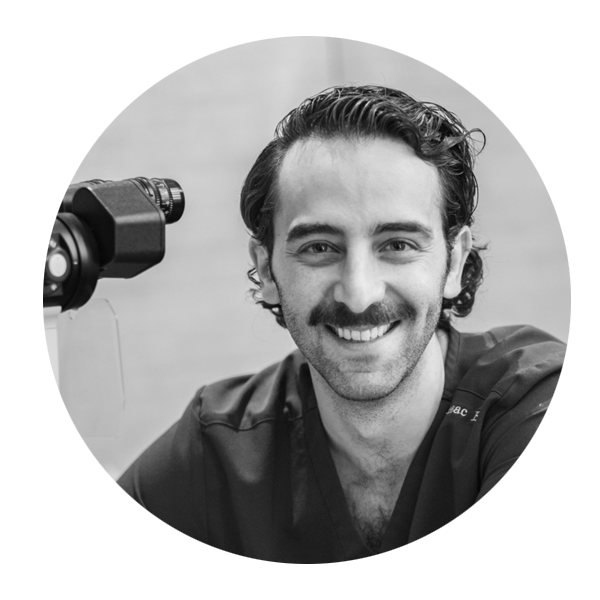
For patients who value top-level expertise, modern technology, and the highest standards of safety, we recommend Dr. Isaac Hindi Zaga.
As a premium, internationally trained ophthalmologist working within a JCI-accredited, world-class hospital, he provides exceptional care for cataract surgery, refractive surgery, corneal conditions, and more.
If you are looking for a trusted specialist for your vision needs, you can reach Dr. Isaac directly through this link.
LASIK has become one of the most sought after elective procedures among international medical travelers. Short procedure times, rapid visual improvement, and minimal downtime make it appealing for patients combining vision correction with travel. However, recovery does not end when the procedure is complete. For international travelers, post LASIK care requires additional considerations to ensure optimal outcomes and avoid complications once patients leave the destination country.
This article provides a comprehensive, professional guide to LASIK recovery tips specifically tailored for international travelers. It is designed for industry professionals, facilitators, and informed patients seeking to understand how to support safe healing while navigating flights, hotels, climate changes, and follow up care.
Understanding the LASIK Recovery Timeline
LASIK recovery generally occurs in phases. Most patients experience significant vision improvement within twenty four to forty eight hours, but full stabilization can take several weeks.
In the first twenty four hours, eyes are particularly vulnerable. Dryness, light sensitivity, mild discomfort, and fluctuating vision are common. The first week focuses on epithelial healing and corneal stability, while the following weeks allow vision to sharpen and side effects to diminish.
International travelers must respect this timeline and avoid rushing activities that could compromise healing, especially during the first seven days.
Plan Travel Timing Carefully
One of the most important recovery tips is scheduling travel appropriately. Patients should avoid same day flights whenever possible. Remaining near the treatment location for at least two to three days allows early healing and immediate access to care if unexpected symptoms occur.
Air travel itself can contribute to dryness due to low cabin humidity. Waiting until initial inflammation subsides reduces discomfort and lowers the risk of irritation. If long haul flights are unavoidable, travelers should prepare thoroughly with artificial tears and protective eyewear.
Prioritize Eye Protection During Travel
After LASIK, the corneal flap requires protection from trauma, dust, and accidental rubbing. International travelers are exposed to multiple environments such as airports, hotels, taxis, and public spaces where air quality and hygiene vary.
Patients should wear protective sunglasses outdoors, especially in bright sunlight. Sunglasses reduce glare, limit ultraviolet exposure, and prevent squinting that can strain healing eyes.
During sleep, especially in unfamiliar hotel environments, eye shields should be worn for the first few nights to avoid accidental rubbing.
Maintain Strict Eye Hygiene
Cleanliness plays a critical role in preventing infection during recovery. Travelers should wash hands thoroughly before touching their face or applying eye drops.
Avoid swimming pools, hot tubs, beaches, and saunas for at least two weeks. These environments increase exposure to bacteria and irritants that can interfere with healing.
Hotel linens, towels, and pillowcases should be kept clean. If possible, travelers may consider bringing their own eye shields and personal towels for added reassurance.
Use Prescribed Eye Drops Consistently
Post LASIK care typically includes antibiotic drops, anti inflammatory drops, and lubricating artificial tears. For international travelers, adherence is essential since access to replacements may be limited abroad.
Drops should be packed in carry on luggage to avoid loss or temperature exposure. Setting reminders can help maintain the correct schedule, especially when adjusting to time zone changes.
Dry eye symptoms are common after LASIK and may be intensified by air travel, climate differences, and dehydration. Frequent use of preservative free lubricating drops supports comfort and healing.
Limit Screen Time and Visual Strain
International travel often involves navigation apps, entertainment screens, and frequent phone use. Excessive screen time in the early recovery phase can worsen dryness and visual fatigue.
Patients should limit digital device use for the first few days and take regular breaks thereafter. The twenty twenty twenty rule can help. Every twenty minutes, look at something twenty feet away for twenty seconds.
Printed materials, podcasts, and audiobooks offer alternatives that reduce eye strain while traveling.
Stay Hydrated and Support Healing
Hydration supports overall healing and helps manage dry eye symptoms. Long flights, unfamiliar climates, and travel schedules can lead to dehydration.
Patients should drink plenty of water and limit caffeine and alcohol intake, especially during the first week after LASIK. A balanced diet rich in vitamins, omega fatty acids, and antioxidants can also support ocular surface health.
Adequate sleep is equally important. Travelers should avoid packed itineraries and allow time for rest during the recovery period.
Avoid Makeup and Eye Products Temporarily
Cosmetics pose a risk during early recovery due to particles and bacteria. Eye makeup, creams, and facial products should be avoided for at least one week, sometimes longer depending on sensitivity.
Travelers should also be cautious with hotel toiletries and avoid direct contact with eyes during face washing. Gentle cleansing around the eyes is recommended without rubbing or pressure.
Prepare for Remote Follow Up Care
Since international travelers often return home before full recovery is complete, follow up planning is essential. Patients should understand the expected recovery milestones and warning signs that require attention.
Clear communication channels for remote follow up provide reassurance. Patients should keep copies of their post procedure instructions and treatment details.
Arranging a local eye check after returning home can be a responsible step, especially for those traveling long distances or across multiple time zones.
Recognize Normal Symptoms Versus Warning Signs
Some dryness, glare, halos, and fluctuating vision are normal during recovery. These symptoms usually improve gradually.
However, travelers should seek prompt evaluation if they experience severe pain, sudden vision loss, increasing redness, or discharge. Understanding the difference between expected healing and potential complications empowers patients to act quickly if needed.
In summary, LASIK recovery for international travelers requires more than standard aftercare. It demands thoughtful planning, disciplined routines, and awareness of environmental factors that influence healing. When managed correctly, international patients can enjoy smooth recovery and excellent visual outcomes while minimizing risk.
For medical tourism professionals, understanding these recovery considerations enhances patient education, improves satisfaction, and reinforces the importance of post procedure support. With proper guidance, LASIK remains one of the most travel friendly procedures in global healthcare.


