








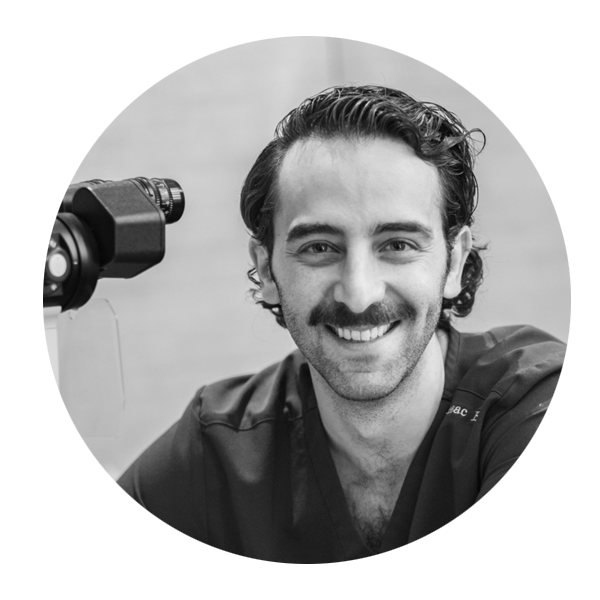
For patients who value top-level expertise, modern technology, and the highest standards of safety, we recommend Dr. Isaac Hindi Zaga.
As a premium, internationally trained ophthalmologist working within a JCI-accredited, world-class hospital, he provides exceptional care for cataract surgery, refractive surgery, corneal conditions, and more.
If you are looking for a trusted specialist for your vision needs, you can reach Dr. Isaac directly through this link.
Laser vision correction has transformed the way refractive errors such as myopia, hyperopia, and astigmatism are treated. Among these procedures, LASIK remains the most widely performed worldwide. Despite its popularity, concerns about safety and potential risks continue to influence patient decision making, especially in cross border care.
Modern research provides extensive data on LASIK outcomes, safety improvements, and complication rates. For medical tourism professionals, insurers, facilitators, and referring organizations, understanding these findings is essential to guide informed referrals and patient education.
How LASIK Has Evolved Over Time
Early LASIK procedures relied on mechanical microkeratomes and less precise laser systems. Over the past two decades, technological advances have dramatically improved accuracy, predictability, and safety.
Modern LASIK commonly incorporates femtosecond lasers for flap creation, wavefront guided or topography guided ablation, and advanced eye tracking systems. These innovations reduce variability, improve visual quality, and minimize tissue disruption.
Large scale studies now reflect outcomes from these newer techniques rather than older methods, making current safety data more relevant than ever.
What Modern Research Says About LASIK Safety
Extensive peer reviewed research shows that LASIK has a strong safety profile when performed on appropriately selected patients. Studies involving millions of procedures worldwide consistently report high satisfaction rates and low incidence of serious complications.
Key findings from modern research include:
- Over 95 percent of patients achieve vision that meets legal driving standards without correction
- Patient satisfaction rates commonly exceed 90 percent
- Severe vision threatening complications are rare when preoperative screening protocols are followed
These outcomes position LASIK among the safest elective surgical procedures currently available.
Understanding Common LASIK Risks
While LASIK is considered safe, it is not risk free. Modern research emphasizes that most side effects are temporary and manageable, but transparency remains critical.
Dry Eye Symptoms
Temporary dry eye is the most commonly reported side effect. Research shows that symptoms typically peak within the first few months after surgery and improve as corneal nerves regenerate. Advances in surgical technique and preoperative tear film evaluation have significantly reduced long term dry eye risk.
Visual Disturbances
Some patients experience glare, halos, or starbursts around lights, particularly at night. Modern laser algorithms and pupil size assessment have lowered the frequency and severity of these symptoms compared to earlier generations of LASIK.
Fluctuating Vision During Healing
Vision may fluctuate during the early healing phase. Research indicates that most patients stabilize within weeks, with continued refinement over several months.
Rare but Serious Complications
Modern research confirms that serious LASIK complications are uncommon, particularly when strict screening criteria are used.
Corneal Ectasia
This condition involves progressive thinning and bulging of the cornea. Current evidence shows that ectasia risk is extremely low when patients with abnormal corneal structure or insufficient corneal thickness are excluded.
Infection and Inflammation
Postoperative infections are rare and typically linked to non compliance with aftercare instructions. Prompt diagnosis and treatment lead to favorable outcomes in most cases.
Overcorrection or Undercorrection
Some patients may require enhancement procedures. Modern laser planning has reduced enhancement rates significantly, and enhancements are generally safe when indicated.
The Role of Patient Selection in Safety
Research consistently highlights patient selection as the most critical factor in LASIK safety. Not all individuals are suitable candidates, and modern protocols are designed to identify risk factors before surgery.
Key screening considerations include:
- Stable vision for at least one year
- Adequate corneal thickness and regularity
- Absence of progressive corneal disease
- Well controlled ocular surface health
- Realistic expectations regarding outcomes
When these criteria are met, complication rates drop dramatically.
Long Term Outcomes and Vision Stability
Long term studies now extend beyond 10 and even 20 years post procedure. Findings show that LASIK results are stable for most patients, with vision changes over time typically related to natural aging rather than the procedure itself.
Presbyopia, which affects near vision with age, occurs regardless of LASIK history. Modern research confirms that LASIK does not accelerate age related eye conditions when proper screening is performed.
LASIK Safety in the Medical Tourism Context
For international patients, safety concerns often extend beyond the procedure itself to include travel logistics, follow up care, and regulatory standards.
Modern research suggests that outcomes depend more on surgical protocols and patient selection than geographic location. Key safety considerations for cross border care include:
- Comprehensive preoperative diagnostics
- Clear postoperative follow up plans
- Patient education on recovery timelines
- Access to local eye care for routine follow up if needed
Industry professionals play a vital role in ensuring continuity of care and realistic patient expectations.
What Modern Research Emphasizes Most
The most consistent conclusion across contemporary studies is that LASIK is safest when treated as a medical procedure rather than a commodity. Quality outcomes are driven by data driven screening, technology investment, and adherence to evidence based protocols.
Research also highlights the importance of individualized treatment planning rather than one size fits all approaches.
Modern research paints a clear picture of LASIK as a highly safe and effective vision correction procedure when performed on well screened candidates using advanced technology. While risks exist, they are generally low, well understood, and manageable.
For medical tourism professionals and healthcare decision makers, understanding the science behind LASIK safety enables better patient education, responsible referrals, and long term confidence in outcomes. As technology and research continue to advance, LASIK remains a cornerstone of modern refractive surgery with a strong evidence base supporting its safety profile.


