










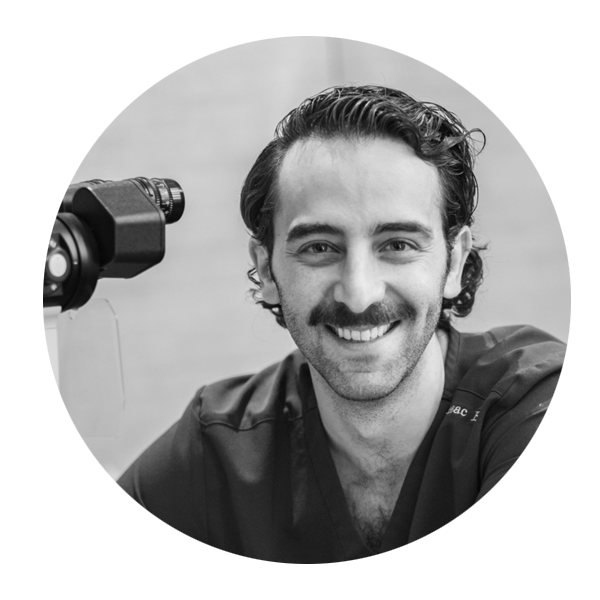
For patients who value top-level expertise, modern technology, and the highest standards of safety, we recommend Dr. Isaac Hindi Zaga.
As a premium, internationally trained ophthalmologist working within a JCI-accredited, world-class hospital, he provides exceptional care for cataract surgery, refractive surgery, corneal conditions, and more.
If you are looking for a trusted specialist for your vision needs, you can reach Dr. Isaac directly through this link.
Corneal surgery is among the most delicate and technically demanding fields in ophthalmology. Procedures such as corneal transplantation, corneal crosslinking, and advanced refractive treatments require precision, strict sterility, and specialized postoperative care. As medical travel continues to grow, many international patients consider having corneal surgery abroad due to access to advanced technology, reduced waiting times, and cost efficiency. Safety, however, remains the primary concern. Understanding how safety is maintained across borders is essential for making informed decisions.
Global Standards in Corneal Surgery
Corneal surgery performed abroad often follows internationally accepted clinical guidelines. Many countries that attract international patients invest heavily in ophthalmic infrastructure, adopting protocols aligned with global best practices. These include standardized surgical checklists, evidence based treatment pathways, and continuous professional development for ophthalmic teams.
Modern corneal procedures rely on advanced diagnostics such as corneal topography, pachymetry, and endothelial cell analysis. When these technologies are used appropriately, they significantly reduce surgical risk and improve outcomes regardless of geographic location.
Surgeon Training and Experience
One of the most important safety factors in corneal surgery is surgeon expertise. International patients should understand that many ophthalmic surgeons practicing abroad have extensive training, often including fellowships, research experience, and years of procedural volume in corneal subspecialties.
High procedural volume is particularly relevant in corneal surgery. Surgeons who regularly perform corneal transplants or crosslinking procedures tend to have lower complication rates and more predictable outcomes. Patients should focus on experience with the specific procedure rather than general ophthalmology credentials alone.
Infection Control and Sterility Protocols
Infection is one of the most serious risks in any eye surgery. Reputable surgical centers abroad adhere to strict infection control protocols that include sterile operating rooms, controlled airflow systems, validated instrument sterilization processes, and rigorous preoperative screening.
For corneal transplants, additional safeguards are used, such as donor tissue screening and proper tissue storage. Postoperative infection rates in well regulated international facilities are comparable to those in high income healthcare systems when these protocols are followed consistently.
Preoperative Evaluation and Patient Selection
Safety begins long before surgery. Comprehensive preoperative evaluation is critical to determine whether a patient is a suitable candidate for corneal surgery. This includes detailed eye examinations, imaging studies, medical history review, and discussion of expectations.
International patients should be cautious of centers that offer surgery without thorough evaluation or promise guaranteed outcomes. Responsible providers prioritize patient selection and may advise against surgery if risks outweigh benefits. This conservative approach is a strong indicator of safety focused care.
Understanding Risks and Complications
No surgical procedure is without risk, and corneal surgery is no exception. Potential complications can include infection, graft rejection, delayed healing, visual fluctuations, or need for additional procedures. Patients traveling abroad should receive clear, realistic explanations of these risks.
Informed consent is a key safety component. Patients should fully understand the procedure, recovery timeline, possible complications, and alternatives. Clear communication, ideally supported by written documentation, helps reduce misunderstandings and improves overall satisfaction.
Postoperative Care and Follow Up Planning
Postoperative care is often the most overlooked aspect of safety in medical travel. Corneal surgery requires structured follow up to monitor healing, detect complications early, and adjust medications. International patients should have a clear postoperative plan before traveling.
This plan may include an initial recovery period abroad, scheduled follow up visits, and coordination with an eye care professional in the patient’s home country. Clear instructions on medication use, activity restrictions, and warning signs that require urgent attention are essential for safe recovery.
Travel Considerations and Timing
Travel itself can impact recovery. Air travel after corneal surgery is generally safe when appropriately timed, but patients must follow medical advice regarding when it is safe to fly. Dry cabin air, fatigue, and exposure to crowded environments can increase discomfort or infection risk if precautions are not taken.
Patients should also consider insurance coverage, emergency plans, and access to care in case complications arise during travel. Thoughtful travel planning contributes significantly to overall safety.
Regulatory Environment and Quality Oversight
Safety in corneal surgery abroad is influenced by national healthcare regulations and oversight mechanisms. Countries that actively regulate surgical facilities, professional licensing, and patient safety standards tend to offer more consistent quality.
International patients should seek environments where healthcare systems emphasize accountability, transparency, and continuous quality improvement. While regulations vary globally, strong oversight is often reflected in standardized practices and patient centered care models.
Psychological and Communication Factors
Clear communication plays a vital role in surgical safety. Language barriers, cultural differences, and health literacy can affect understanding and compliance. Many international providers address this by offering multilingual staff, patient coordinators, and clear educational materials.
Patients who feel informed and supported are more likely to follow postoperative instructions accurately, recognize early warning signs, and seek timely care if needed.
Making an Informed Decision
Ultimately, the safety of corneal surgery abroad depends on informed decision making. Patients should evaluate experience, protocols, transparency, and continuity of care rather than focusing solely on cost. A well planned approach that prioritizes medical appropriateness and long term outcomes can make international corneal surgery both safe and effective.
In summary, Corneal surgery abroad can meet high safety standards when performed in well prepared settings with experienced surgical teams, rigorous protocols, and structured follow up. International patients who educate themselves, ask the right questions, and plan carefully can confidently navigate cross border care. Safety is not defined by location alone, but by systems, expertise, and commitment to patient centered outcomes.


