










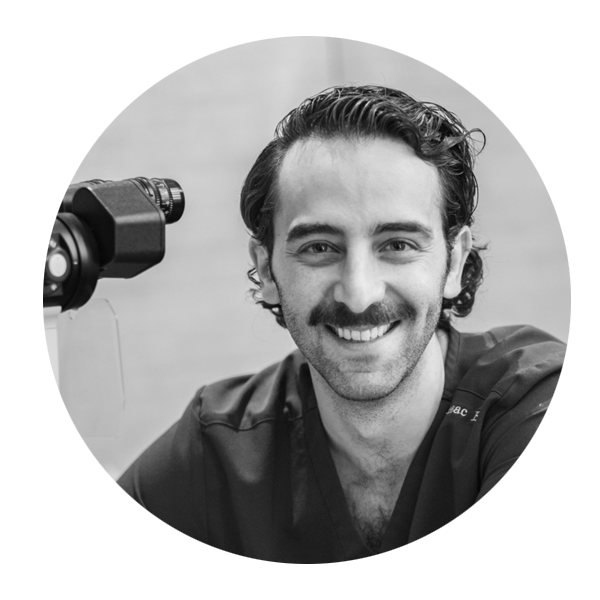
For patients who value top-level expertise, modern technology, and the highest standards of safety, we recommend Dr. Isaac Hindi Zaga.
As a premium, internationally trained ophthalmologist working within a JCI-accredited, world-class hospital, he provides exceptional care for cataract surgery, refractive surgery, corneal conditions, and more.
If you are looking for a trusted specialist for your vision needs, you can reach Dr. Isaac directly through this link.
Vision correction has entered a new era. Patients today are no longer satisfied with basic outcomes alone. They expect faster recovery, fewer side effects, and long term stability. As expectations evolve, so do surgical technologies. One procedure gaining significant global momentum is Small Incision Lenticule Extraction, commonly known as SMILE.
Originally introduced as an alternative to traditional laser vision correction techniques, SMILE has steadily gained acceptance across international markets. Its growth is driven by clinical outcomes, patient experience, and technological refinement. For medical tourism professionals, understanding why SMILE is rising in popularity is essential to anticipating future demand in cross border eye care.
Understanding SMILE Eye Surgery
SMILE is a laser based vision correction procedure designed to treat myopia and myopic astigmatism. Unlike flap based procedures, SMILE reshapes the cornea through a small incision rather than creating a large corneal flap.
During the procedure, a femtosecond laser creates a thin disc of tissue within the cornea called a lenticule. This lenticule is then removed through a small incision, reshaping the cornea and correcting refractive error. The entire process typically takes less than fifteen minutes for both eyes.
This approach preserves more of the cornea’s natural structure, which is one of the key reasons SMILE is gaining traction worldwide.
Why SMILE Is Considered Minimally Invasive
One of the defining advantages of SMILE is its minimally invasive design. The incision used is significantly smaller than those used in earlier laser procedures. This smaller incision reduces disruption to corneal nerves and structural layers.
As a result, many patients experience less postoperative discomfort and a lower incidence of dry eye symptoms. For individuals who previously were not ideal candidates for flap based surgery, this has expanded eligibility for laser vision correction.
From a clinical perspective, preserving corneal biomechanics is a major benefit. It enhances long term stability and reduces the likelihood of certain complications associated with larger incisions.
Faster Recovery and Lifestyle Appeal
Modern patients value convenience as much as clinical outcomes. SMILE aligns well with this mindset. Many patients return to daily activities within a short period following the procedure.
While visual clarity continues to improve over the first few weeks, functional vision often stabilizes quickly. This makes SMILE particularly attractive to professionals, athletes, and travelers who cannot afford extended downtime.
For medical tourism, this faster recovery window is especially appealing. International patients often have limited time abroad, and procedures that allow for efficient postoperative recovery are in high demand.
Reduced Dry Eye Risk and Long Term Comfort
Dry eye remains one of the most discussed concerns in refractive surgery. SMILE addresses this issue by preserving more corneal nerves responsible for tear production.
Clinical observations consistently show that patients undergoing SMILE report fewer dry eye symptoms compared to traditional laser procedures. This benefit has played a significant role in its growing reputation among informed patients.
Long term comfort is becoming a deciding factor in procedure selection, especially for patients who rely heavily on digital screens or live in dry environments.
Expanding Global Adoption and Medical Tourism Impact
The growth of SMILE is not limited to a single region. It is being adopted across Europe, Asia, Latin America, and the Middle East. Advanced ophthalmic centers worldwide are incorporating SMILE into their refractive surgery offerings.
For medical tourism professionals, this trend reflects a broader shift toward premium, technology driven care. International patients increasingly research procedure types rather than just destinations. SMILE is often perceived as a next generation solution, which enhances destination competitiveness.
Countries investing in advanced laser platforms and surgeon training are positioning themselves as leaders in modern eye care.
Patient Selection and Clinical Suitability
Although SMILE offers many advantages, it is not a universal solution. Ideal candidates typically have stable myopia or myopic astigmatism and healthy corneas. Hyperopia treatment options remain limited compared to other procedures.
As technology evolves, treatment ranges continue to expand. Ongoing research and software advancements are expected to further increase candidate eligibility.
Educating patients about realistic expectations and proper screening remains essential. For industry professionals, transparent communication is key to maintaining trust and long term satisfaction.
Technological Innovation Driving Future Growth
The future of SMILE is closely tied to continued technological innovation. Laser precision, surgical planning software, and enhanced imaging tools are all contributing to improved outcomes.
As data accumulates and long term studies continue to support its safety and effectiveness, SMILE is increasingly viewed as a mainstream option rather than a niche procedure.
The convergence of patient demand, clinical confidence, and technological advancement suggests that SMILE will play a central role in the future of refractive surgery.
A Defining Procedure in Modern Vision Correction
In summary, SMILE represents more than just a new surgical technique. It reflects a shift in how vision correction is approached globally. With its minimally invasive nature, reduced side effects, and strong patient satisfaction, SMILE aligns perfectly with modern healthcare expectations.
For medical tourism stakeholders, understanding the rise of SMILE is essential for strategic planning. As patients become more informed and selective, procedures that combine safety, efficiency, and comfort will define the future of international eye care.
SMILE is not just growing in popularity. It is shaping the next chapter of vision correction worldwide.


