


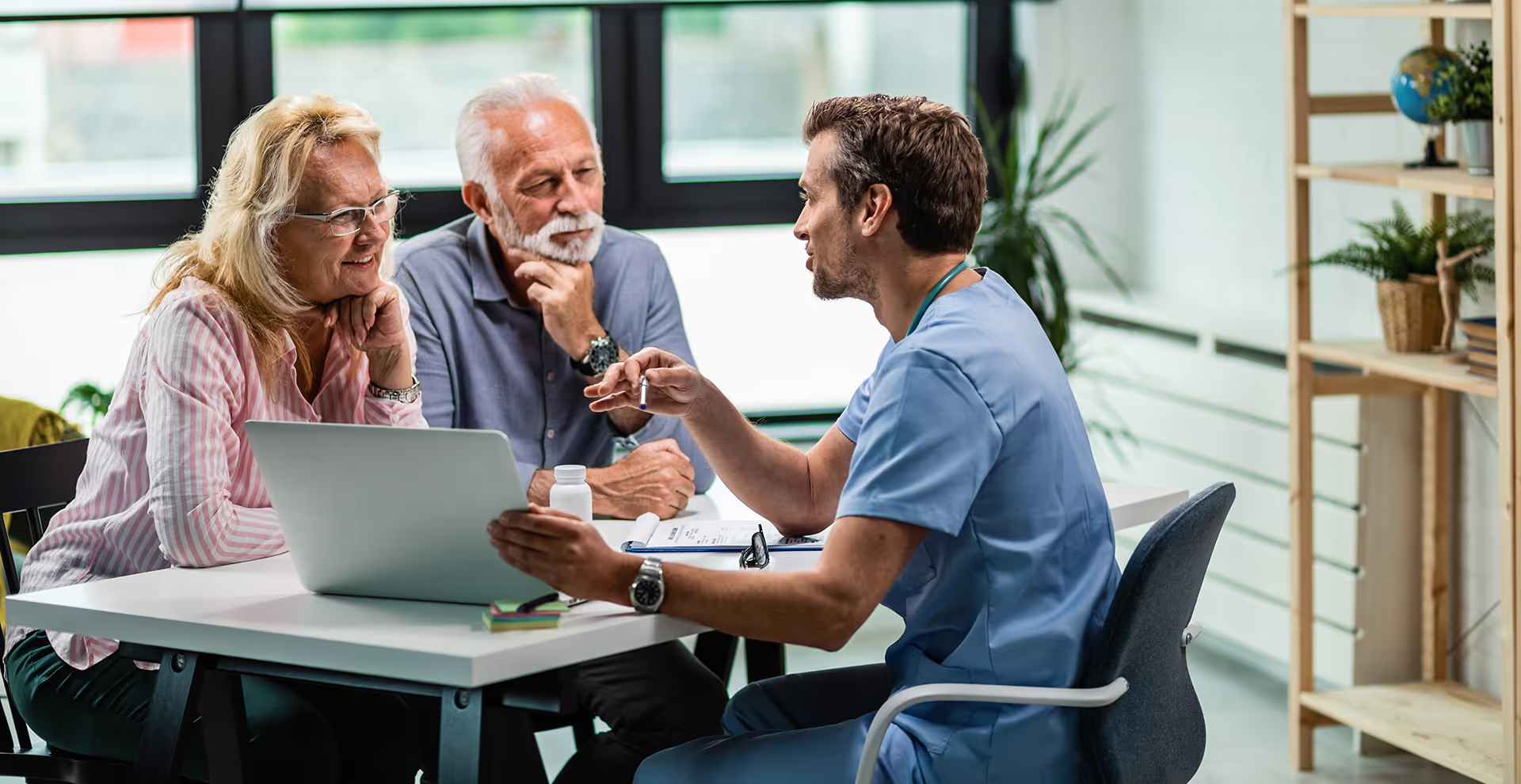





Peripheral neuropathy is a condition that disrupts nerve function, often causing persistent pain, numbness, and reduced mobility. For many patients, conventional treatments offer limited relief, especially when nerve damage has progressed or underlying causes remain unresolved. As a result, patients and healthcare decision makers are increasingly exploring regenerative medicine solutions that aim not just to manage symptoms but to restore function. Within the global medical tourism landscape, integrative centers are emerging as key players in offering advanced, patient-centered care pathways.
Understanding Peripheral Neuropathy and Its Global Burden
Peripheral neuropathy refers to damage to the peripheral nerves, which are responsible for transmitting signals between the central nervous system and the rest of the body. This condition can stem from various causes, including diabetes, autoimmune disorders, infections, and exposure to toxins. The symptoms vary widely but commonly include tingling sensations, muscle weakness, and chronic pain that can significantly impact quality of life.
The global burden of peripheral neuropathy continues to rise alongside chronic diseases such as diabetes. Many patients struggle to find effective long-term solutions within traditional healthcare systems, where treatment often focuses on symptom management rather than nerve regeneration. This gap has driven interest in integrative and regenerative approaches that address both underlying causes and functional recovery.
Medical tourism has become a viable pathway for patients seeking advanced care options. With access to specialized protocols, multidisciplinary teams, and personalized treatment plans, patients can explore solutions that may not be readily available in their home countries. This shift reflects a broader trend toward value-based healthcare and outcomes-driven treatment models.
The Role of Regenerative Medicine in Nerve Repair
Regenerative medicine is transforming how peripheral neuropathy is approached by focusing on restoring damaged nerve tissue rather than simply alleviating symptoms. These therapies aim to stimulate the body's natural healing processes, promoting repair at a cellular level. This approach is particularly valuable for patients who have not responded to conventional treatments.
Advanced regenerative techniques may include biologic therapies, cellular-based interventions, and targeted rehabilitation protocols. These methods are designed to enhance nerve regeneration, reduce inflammation, and improve circulation, all of which contribute to functional recovery. By integrating multiple modalities, providers can create comprehensive care pathways tailored to each patient’s condition.
The appeal of regenerative medicine lies in its potential to deliver long-term improvements rather than temporary relief. Patients often seek these treatments when conventional medications or surgical options have proven insufficient. As a result, centers specializing in regenerative care are gaining attention from both patients and healthcare stakeholders.
Key Treatment Modalities for Peripheral Neuropathy
A comprehensive treatment strategy for peripheral neuropathy typically involves a combination of therapies that address both the symptoms and the underlying causes. Integrative centers often design personalized programs that combine regenerative medicine with supportive care techniques.
The following treatment approaches are commonly included in advanced neuropathy care programs:
- Regenerative biologic therapies aim to stimulate nerve repair by introducing growth factors and other biologically active components that support tissue regeneration and reduce inflammation. These therapies are often tailored to the severity and type of neuropathy.
- Cellular-based interventions focus on enhancing the body’s natural healing mechanisms by utilizing specialized cells that can support nerve regeneration and improve functional outcomes. This approach is particularly relevant for chronic or progressive cases.
- Nutritional and metabolic optimization addresses underlying deficiencies or imbalances that may contribute to nerve damage. By correcting these factors, patients may experience improved nerve function and overall health.
- Physical rehabilitation and neuromuscular therapy help restore mobility and strengthen affected areas. These therapies are essential for improving coordination, balance, and daily function.
- Pain management strategies integrate both conventional and alternative methods to provide relief while minimizing reliance on long-term medication use. This may include non-invasive therapies and targeted interventions.
These combined approaches create a holistic framework that addresses the complexity of peripheral neuropathy. By integrating multiple treatment modalities, patients benefit from a more comprehensive and personalized care experience.
In addition to these therapies, patients often receive ongoing monitoring and adjustments to their treatment plans. This ensures that progress is tracked and interventions are optimized for the best possible outcomes.
Benefits of Seeking Treatment Through Medical Tourism
Patients exploring international care options for peripheral neuropathy often find significant advantages in terms of access, affordability, and innovation. Medical tourism platforms have evolved to provide structured pathways that connect patients with vetted providers and transparent information.
Cost is frequently a major consideration, as advanced regenerative treatments may be more accessible in certain destinations compared to domestic healthcare systems. However, the benefits extend beyond financial considerations, encompassing quality of care and patient experience.
Patients exploring cost-effective and advanced neuropathy care pathways can view Bioregeneration Integrated Medical Centre's full profile on Better by MTA to understand available treatment options and care models.
Patients also benefit from integrated service models that streamline the entire treatment journey, from initial consultation to post-treatment follow-up. This level of coordination is particularly valuable for complex conditions such as peripheral neuropathy, where continuity of care is essential.
Medical tourism platforms further enhance trust by offering verified provider listings, patient reviews, and transparent communication channels. These features help patients make informed decisions and reduce uncertainty when seeking care abroad.
Personalized Treatment Planning and Patient Experience
One of the defining characteristics of advanced neuropathy care is the emphasis on personalized treatment planning. Each patient presents with a unique combination of symptoms, underlying conditions, and lifestyle factors, all of which must be considered when designing an effective treatment strategy.
Comprehensive assessments are typically conducted to evaluate nerve function, metabolic health, and overall physical condition. These assessments inform the development of individualized care plans that integrate multiple therapeutic modalities. By tailoring treatment to the specific needs of each patient, providers can optimize outcomes and improve long-term results.
The patient experience is also a critical component of care. Integrative centers often prioritize comfort, communication, and support throughout the treatment process. This includes clear explanations of treatment options, realistic expectations, and ongoing engagement with the care team.
For international patients, additional support services may be provided to facilitate travel, accommodation, and logistics. This ensures that patients can focus on their treatment and recovery without unnecessary stress.
Long-Term Outcomes and Functional Recovery
The ultimate goal of peripheral neuropathy treatment is to restore function and improve quality of life. While symptom relief is an important aspect of care, long-term outcomes depend on the ability to address underlying causes and promote nerve regeneration.
Regenerative medicine approaches offer promising potential for achieving these outcomes. By targeting the root causes of nerve damage and supporting the body’s natural healing processes, patients may experience sustained improvements in mobility, sensation, and overall well-being.
However, successful outcomes require a commitment to ongoing care and lifestyle adjustments. Patients are often encouraged to maintain healthy habits, adhere to rehabilitation programs, and participate in follow-up assessments. This holistic approach ensures that gains achieved during treatment are preserved over time.
For those evaluating advanced regenerative pathways for nerve repair, explore Bioregeneration Integrated Medical Centre's detailed listing on Better by MTA to review their integrative approach and patient services.
The emphasis on long-term outcomes aligns with broader trends in healthcare that prioritize value and sustainability. Patients are increasingly seeking treatments that deliver lasting benefits rather than temporary solutions.
Choosing the Right Provider for Neuropathy Care
Selecting the right provider is a critical step in the medical tourism journey. Patients must consider factors such as treatment expertise, available technologies, patient support services, and overall care philosophy. A well-informed decision can significantly impact both the treatment experience and the final outcome.
Key considerations when evaluating providers include:
- The availability of multidisciplinary care teams that integrate medical, rehabilitative, and supportive therapies. This ensures a comprehensive approach to managing complex conditions like peripheral neuropathy.
- The use of advanced technologies and evidence-based protocols that support regenerative medicine approaches. Providers should demonstrate a commitment to innovation and continuous improvement.
- Transparent communication and patient education, which are essential for building trust and ensuring that patients understand their treatment options and expected outcomes.
- Structured care pathways that include pre-treatment assessment, active therapy, and post-treatment follow-up. This continuity of care is vital for achieving long-term success.
- Patient support services that address logistical needs such as travel coordination and accommodation, making the treatment process more accessible and less stressful.
By carefully evaluating these factors, patients can identify providers that align with their needs and expectations. This process is supported by platforms that offer verified listings and comprehensive provider information.
Patients should also consider their own goals and preferences when selecting a treatment destination. Factors such as cultural compatibility, language support, and overall comfort can influence the experience and contribute to positive outcomes.
Taking everything into account, peripheral neuropathy treatment is evolving toward more advanced, patient-centered approaches that prioritize regeneration and long-term recovery. Integrative care models that combine multiple therapies are proving to be effective in addressing the complexity of this condition. Medical tourism provides access to these innovations while offering structured pathways that enhance transparency and trust. Better by MTA provides a secure and reliable way to navigate your options, with MTA-accredited providers and Mastercard-backed payment protection, allowing you to request a personalized quote today and proceed with confidence.


