










Urinary tract infections (UTIs) represent one of the most common urological conditions worldwide, affecting millions of adults each year and causing significant quality-of-life disruptions. While most infections are short-lived and easily treated, complex, persistent, or recurrent cases require the specialised expertise of trained urologists. South Africa has become a leading regional centre for advanced UTI management, drawing international patients seeking accurate diagnosis, evidence-based treatments, and modern preventive strategies.
This comprehensive article explores the strengths of South African urology professionals in managing UTIs, the diagnostic and treatment standards they use, and why global patients increasingly choose South Africa for specialised urinary care.
Understanding UTIs: A Global Health Concern
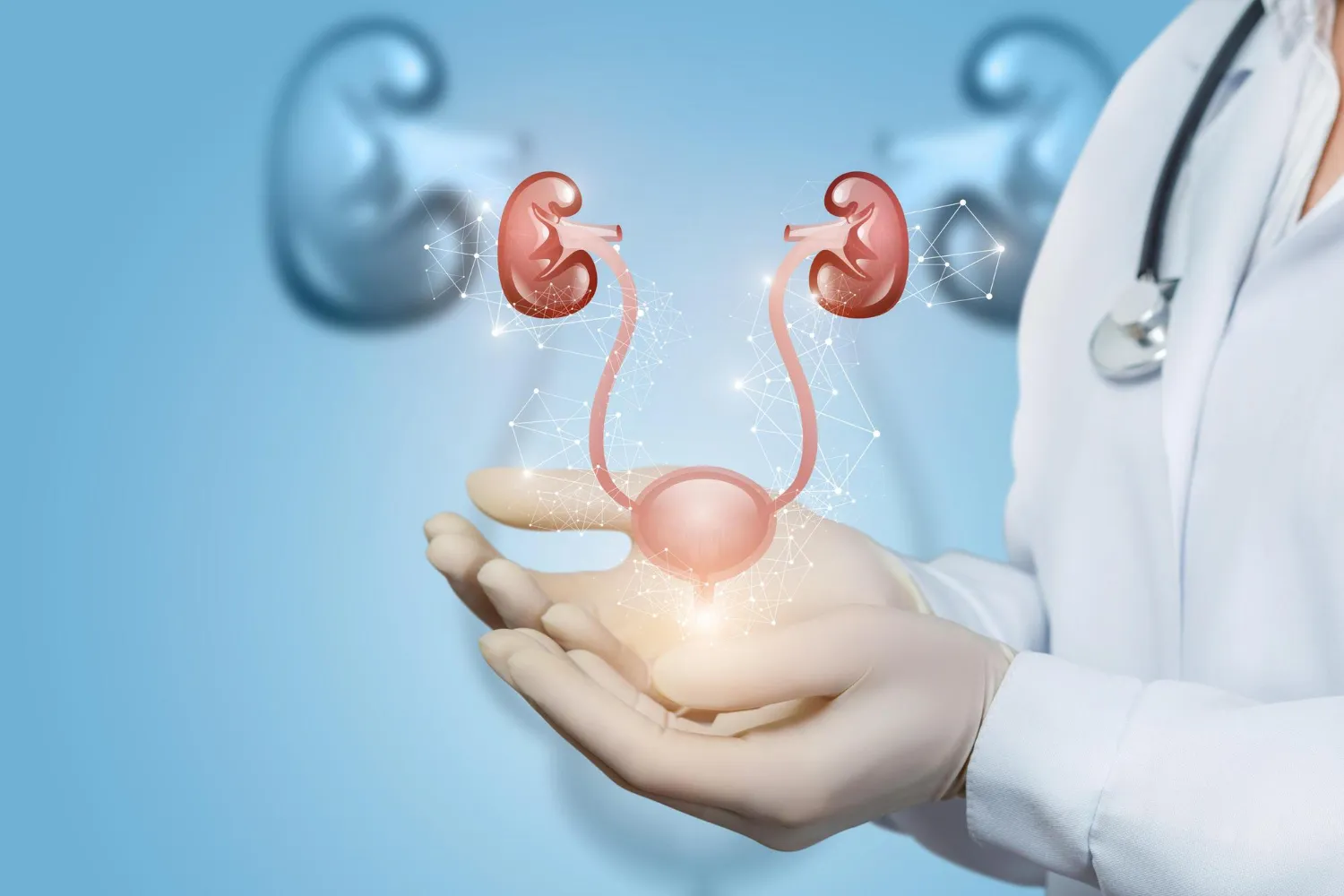
UTIs occur when bacteria or, less commonly, fungi invade the urinary system—a network that includes the kidneys, ureters, bladder, and urethra. Though often perceived as a minor infection, untreated or resistant UTIs can progress to serious complications, including kidney infections, chronic bladder inflammation, and systemic illness.
Common symptoms include:
- Pain or burning during urination
- Frequent or urgent urination
- Pelvic discomfort
- Cloudy or blood-tinged urine
- Fever or back pain (in advanced infections)
While primary care providers can manage simple UTIs, recurrent or chronic infections signal underlying issues best addressed by a urology specialist.
Why South Africa Has Become a Hub for Advanced UTI Care
South Africa’s medical system is known for its strong training standards, modern infrastructure, and clinical expertise—particularly in urology. Several factors make its urologists stand out for advanced urinary tract infection care:
1. Strong Academic and Surgical Training
South African urologists complete extensive medical and surgical training, often including subspecialised experience in urinary infections, pelvic health, minimally invasive procedures, and reconstructive urology. Many undergo international fellowships and maintain active roles in research and clinical trials related to antimicrobial resistance and urinary tract health.
2. Access to Advanced Diagnostics
Accurate diagnosis is essential, especially for recurrent UTIs. Urologists in South Africa routinely use:
- Urine cultures with sensitivity testing
- Advanced imaging (ultrasound, CT, MRI)
- Cystoscopy for bladder evaluation
- Urodynamic studies for urinary function assessment
- Post-void residual testing
- Sexually transmitted infection (STI) panels
- Specialised microbiology labs for resistant organisms
This ensures that patients receive personalised, targeted treatment rather than repeated empirical antibiotics.
3. Expertise in Managing Recurrent and Resistant UTIs
Recurrent UTIs—defined as three or more episodes in a year—require deeper evaluation. South African urologists specialise in identifying underlying causes such as:
- Persistent bacterial reservoirs
- Hormonal imbalances
- Bladder dysfunction
- Kidney stones
- Anatomical abnormalities
- Prostate enlargement in men
- Chronic pelvic pain syndromes
Their integrated approach focuses on eliminating root causes, not just treating each infection episode.
4. Modern Minimally Invasive Procedures
Some urinary infections stem from structural problems requiring procedural intervention. Many South African urologists are trained in:
- Endoscopic stone removal
- Treatment of bladder outlet obstruction
- Minimally invasive prostate procedures
- Urethral stricture correction
- Laser technologies for urological interventions
This ensures a long-term resolution for patients with anatomically driven infections.
5. International Patient Orientation
South Africa is well-positioned for medical tourism thanks to:
- English-speaking medical professionals
- Travel accessibility
- Cost-effective treatment compared to Western countries
- Shorter waiting times
- High safety standards
- Private healthcare facilities with international-level infrastructure
Diagnostic Approach Used by Leading South African Urologists
Accurate diagnosis is the foundation of effective UTI treatment. South African urologists follow a structured, evidence-based approach:
1. Detailed Medical & Symptom History
This includes evaluating previous infection episodes, antibiotic response, bladder habits, hydration, sexual health, and hormonal status.
2. Laboratory Testing
Routine and advanced studies may include:
- Urinalysis
- Urine culture & sensitivity testing
- PCR testing for fast detection
- Kidney function tests
- Microbiome assessment (where available)
3. Imaging Studies
For chronic or complicated UTIs, imaging helps identify blockages, stones, or structural abnormalities.
4. Functional Assessments
Urodynamics and bladder scans help diagnose incomplete emptying or dysfunctional voiding—common causes of recurrent UTIs.
5. Cystoscopy
This minimally invasive procedure allows direct visualisation of the bladder, identifying inflammation, polyps, stones, or hidden infections.
This structured approach ensures no underlying trigger is missed.
Treatment Strategies Used by South African Urologists
Treatment plans vary depending on whether the UTI is simple, complex, chronic, or resistant. South African urologists typically follow internationally aligned protocols:
1. Evidence-Based Antibiotic Therapy
Rather than prescribing antibiotics blindly, urologists rely on:
- Culture-guided selection
- Short-course therapy for uncomplicated UTIs
- Long-term prophylaxis if needed
- Rotation strategies for resistant cases
- Fosfomycin, nitrofurantoin, and other targeted agents
This reduces recurrence and antimicrobial resistance.
2. Management of Recurrent UTIs
Approaches include:
- Low-dose prophylaxis
- Post-coital antibiotics (when infections follow sexual activity)
- Vaginal estrogen therapy for postmenopausal women
- Cranberry extract and D-mannose for prevention
- Probiotics to restore urinary-vaginal flora balance
- Bladder instillations or immunotherapy (in selective cases)
3. Treatment of Complicated UTIs
Complicated cases often require a multi-disciplinary plan addressing:
- Kidney stones
- Prostate enlargement
- Urinary retention
- Diabetes management
- Catheter-related infections
- Neurogenic bladder conditions
Urologists in South Africa frequently coordinate with nephrologists, endocrinologists, and infectious disease specialists to manage these complex cases.
4. Surgical or Minimally Invasive Interventions
Some UTIs are secondary to:
- Blockages
- Narrowed urinary pathways
- Stones
- Reflux
- Prostate obstruction
South African urologists are trained in advanced techniques such as:
- Endoscopic surgery
- Laser lithotripsy
- Minimally invasive prostate procedures
- Urethral reconstruction
- Stone prevention protocols
5. Long-Term Prevention & Lifestyle Management
Prevention is critical, and urologists emphasize:
- Hydration and voiding schedules
- Avoiding irritants like caffeine or harsh soaps
- Optimising sexual and reproductive health
- Strengthening pelvic floor muscles
- Supporting immune function
- Probiotic and supplement-based strategies
Why International Patients Choose South Africa for UTI Treatment
1. Cost-Effective Care
Compared to Europe, Australia, or the United States, South Africa offers highly competitive pricing without compromising on quality.
2. Comprehensive Urological Expertise
Patients benefit from access to specialists experienced in both straightforward and complex urinary disorders.
3. Faster Appointments & Immediate Diagnostics
International patients avoid long waiting lists common in many countries.
4. Strong Infection-Control Standards
Facilities prioritise sterilisation, microbiological testing, and patient safety—key in managing UTIs.
5. Tourism Opportunities
Patients often combine medical care with tourism experiences, supported by strong infrastructure and competitive travel packages.
Key Considerations for International Patients Seeking UTI Care in South Africa
To ensure optimal outcomes, medical travellers should keep the following in mind:
1. Provide a Clear Medical History
Bring previous culture results, imaging reports, medication lists, and summaries of past infections.
2. Plan for a Multi-Day Evaluation
Accurate diagnosis may require repeated cultures or imaging over several days.
3. Understand Treatment Expectations
Chronic and recurrent UTIs often require multi-phase treatment, including follow-up.
4. Consider Travel Timing
Patients experiencing acute symptoms should avoid long flights until stabilised.
5. Ask About Preventive Strategies
South African urologists often create personalised long-term UTI prevention plans that patients can follow back home.
The Future of UTI Care in South Africa
UTI management is evolving due to global concerns about antibiotic resistance and the rising number of chronic infections. South Africa continues to invest in:
- Advanced microbiology labs
- Research on microbial resistance
- UTI immunotherapy
- Probiotic and bacterial-interference treatments
- Improved women’s health diagnostics
- Minimally invasive urological innovations
The country’s medical landscape is expected to continue attracting international patients seeking high-quality urinary treatment.
To conclude, South Africa has positioned itself as a premier destination for advanced urinary tract infection care. With highly trained urologists, modern diagnostic tools, innovative treatment approaches, and a patient-centred model, international patients benefit from comprehensive, efficient, and evidence-based management of both simple and complex UTIs.
Ready to consult a top urology specialist and explore world-class treatment in South Africa? ProstaCare Travel connects you directly with leading urologists, including a no-obligation virtual consultation with Specialist Urologist Dr. Kalpee before you travel. Through bespoke treatment packages—including advanced procedures like HoLEP, Rezūm, and minimally invasive therapies—paired with full-service concierge care, ProstaCare ensures seamless medical travel from start to finish. With exceptional clinical standards, modern hospitals, and cost-effective pricing, you can access premium urological care without compromise. Click here to begin your journey with ProstaCare Travel: https://www.better.medicaltourism.com/facilitators-platform-single?facilitator=prostacare-travel


