










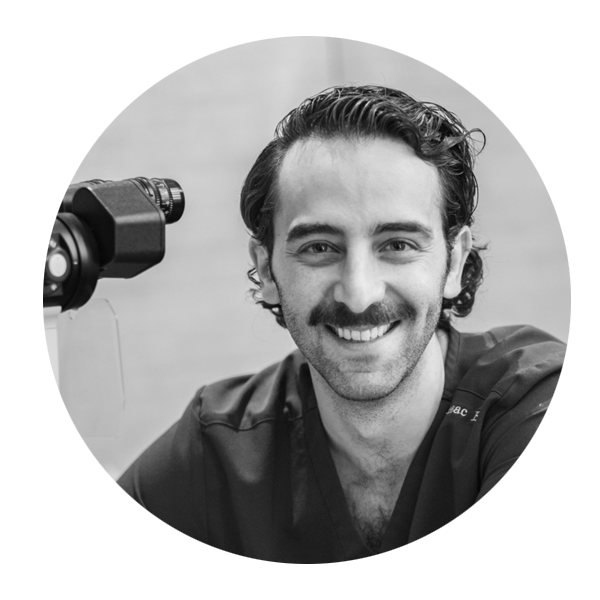
For patients who value top-level expertise, modern technology, and the highest standards of safety, we recommend Dr. Isaac Hindi Zaga.
As a premium, internationally trained ophthalmologist working within a JCI-accredited, world-class hospital, he provides exceptional care for cataract surgery, refractive surgery, corneal conditions, and more.
If you are looking for a trusted specialist for your vision needs, you can reach Dr. Isaac directly through this link.
As medical tourism continues to evolve, ophthalmology has emerged as one of the most refined and competitive specialties within cross border care. Eye surgery patients are not simply seeking cost savings. Many are highly discerning individuals who expect exceptional outcomes, personalized service, and the highest clinical standards. This has led to growing demand for what the industry increasingly defines as a premium medical tourism ophthalmologist.
Understanding what elevates an ophthalmologist into the premium category is essential for facilitators, insurers, employers, and international patient coordinators. Premium care is not defined by branding or location alone. It is built on measurable expertise, infrastructure, outcomes, and the overall patient journey.
Advanced Education and Subspecialty Expertise
A defining characteristic of a premium ophthalmologist is extensive education paired with subspecialty focus. Ophthalmology is a broad field that includes retina, cornea, refractive surgery, glaucoma, oculoplastics, and pediatric eye care. Premium practitioners typically focus on a narrow clinical area rather than offering generalized eye services.
This specialization allows them to manage complex cases, apply advanced surgical techniques, and stay current with rapidly evolving research. International patients often seek ophthalmologists who have trained across multiple healthcare systems, participated in fellowships, or maintained continuous professional development in high volume clinical environments.
High Surgical Volume and Consistent Outcomes
Experience is not measured by years alone. In ophthalmology, procedural volume is a critical indicator of expertise. Premium ophthalmologists perform a high number of specialized surgeries annually, allowing for refined techniques and greater consistency.
High volume exposure improves complication management, surgical efficiency, and long term outcomes. From the medical tourism perspective, providers who can demonstrate consistent results across hundreds or thousands of cases are far more attractive than those who rely on limited procedural exposure.
Use of Advanced Diagnostic and Surgical Technology
Premium ophthalmology is inseparable from technology. Advanced imaging systems, laser platforms, surgical microscopes, and digital planning tools are no longer optional for high end eye care. International patients expect access to the same or better technology than what is available in their home countries.
What distinguishes premium ophthalmologists is not only access to technology but mastery in its use. This includes precision diagnostics, customized surgical planning, and real time intraoperative decision making. Technology supports accuracy, safety, and predictable visual outcomes, which are central to patient satisfaction.
Personalized and Patient Centered Care Models
Premium care emphasizes personalization at every stage. This begins with comprehensive pre travel evaluations, remote record review, and detailed treatment planning. Rather than standardized packages, premium ophthalmologists tailor treatment based on anatomy, lifestyle needs, and long term visual goals.
International patients often value extended consultation time, clear communication, and the ability to understand risks and benefits without pressure. Premium practitioners invest time in education and expectation management, ensuring patients feel informed and confident before undergoing treatment abroad.
Transparent Clinical Decision Making and Ethics
Trust is central to premium medical tourism. High end ophthalmologists prioritize ethical decision making, offering only clinically appropriate interventions. This means advising against surgery when conservative management is more suitable, or recommending staged treatment when necessary.
Transparency around outcomes, risks, recovery timelines, and follow up care is a hallmark of premium practice. Patients who travel internationally are particularly sensitive to surprises, making clarity and honesty essential components of perceived quality.
Seamless International Patient Coordination
Beyond clinical skill, premium ophthalmologists understand the complexities of international care. This includes coordination with facilitators, interpreters, travel planners, and post operative support teams. Efficient scheduling, responsive communication, and structured follow up protocols reduce stress and enhance the patient experience.
Premium providers often work within systems that allow rapid access to diagnostics, same day consultations, and streamlined surgical pathways. This efficiency is especially valuable for patients with limited travel windows.
Post Treatment Continuity and Long Term Support
A premium experience does not end when the patient returns home. Ongoing follow up, remote consultations, and coordination with local eye care providers are increasingly expected. Premium ophthalmologists provide structured post treatment guidance and remain accessible for questions or concerns.
This continuity reassures patients and referring partners that care quality extends beyond borders. It also reinforces trust and long term reputation within the medical tourism ecosystem.
Reputation Built on Professional Referrals, Not Marketing
True premium status is reinforced through professional networks rather than consumer advertising alone. Referrals from physicians, insurers, employers, and international health organizations often reflect confidence in outcomes and reliability.
While digital presence matters, premium ophthalmologists build reputation through consistent delivery of results, professional collaboration, and peer recognition. This form of credibility is especially important for high value and complex cases.
In summary, A premium medical tourism ophthalmologist is defined by far more than location or pricing. Advanced subspecialty training, high procedural volume, technological excellence, ethical practice, and patient centered care form the foundation of premium status.
For industry professionals guiding international patients, understanding these attributes enables better provider selection and improved patient outcomes. As medical tourism continues to mature, premium ophthalmology will remain anchored in measurable quality, transparency, and trust rather than branding alone.


