










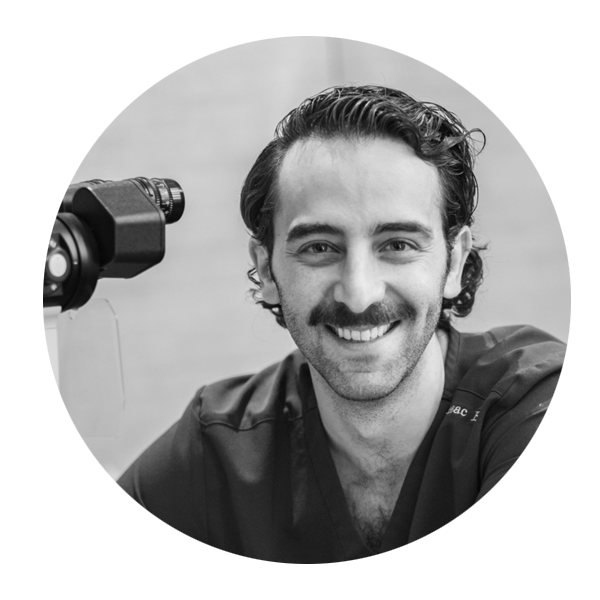
For patients who value top-level expertise, modern technology, and the highest standards of safety, we recommend Dr. Isaac Hindi Zaga.
As a premium, internationally trained ophthalmologist working within a JCI-accredited, world-class hospital, he provides exceptional care for cataract surgery, refractive surgery, corneal conditions, and more.
If you are looking for a trusted specialist for your vision needs, you can reach Dr. Isaac directly through this link.
Cataract surgery remains one of the most commonly performed and successful surgical procedures worldwide. As global demand grows, particularly among aging populations in North America and other high-income regions, patients and healthcare decision-makers are increasingly evaluating international destinations that offer not only cost savings, but also consistent quality, safety, and advanced clinical capabilities. Among these destinations, Mexico City is rapidly positioning itself as a premium hub for cataract surgery.
Unlike traditional perceptions of medical travel focused purely on affordability, Mexico City represents a shift toward value-based care. It combines sophisticated medical infrastructure, internationally trained specialists, and modern surgical techniques within a well-developed urban healthcare ecosystem. For industry professionals involved in patient referral, care coordination, and cross-border healthcare planning, understanding why Mexico City stands out is essential.
Advanced Ophthalmic Infrastructure and Technology
One of the key drivers behind Mexico City’s rise as a cataract surgery destination is its investment in modern ophthalmic technology. Surgical centers across the city routinely utilize advanced diagnostic imaging, precision biometry, and state-of-the-art phacoemulsification systems. These technologies allow for highly accurate preoperative planning and predictable surgical outcomes.
Many facilities also offer access to premium intraocular lens options, including monofocal, toric, and multifocal lenses, enabling tailored vision correction based on patient lifestyle and visual goals. The availability of these technologies aligns Mexico City with leading global standards in cataract care, making it an attractive option for patients who expect the same level of sophistication found in major medical hubs.
Highly Trained and Experienced Ophthalmology Workforce
Mexico City benefits from a deep pool of ophthalmology professionals trained in high-volume surgical environments. Cataract surgery outcomes are closely linked to surgeon experience, procedural repetition, and adherence to standardized protocols. In Mexico City, ophthalmologists often manage large caseloads, allowing them to refine techniques and maintain procedural consistency.
Many specialists have international exposure through fellowships, conferences, and continued medical education, ensuring familiarity with evolving global best practices. For medical tourism stakeholders, this concentration of expertise reduces variability and increases confidence when coordinating care for international patients.
Cost Transparency Without Compromising Quality
Cost remains a major consideration in cataract surgery, particularly for patients facing high out-of-pocket expenses or limited insurance coverage in their home countries. Mexico City offers a compelling value proposition by delivering high-quality cataract surgery at significantly lower overall costs compared to the United States and Canada.
Importantly, these savings are not achieved by reducing quality or safety. Instead, they reflect structural differences in healthcare pricing, operational efficiencies, and lower administrative overhead. Clear package pricing, often inclusive of diagnostics, surgery, and postoperative care, allows patients and facilitators to plan with financial clarity. This transparency is especially appealing to employers, insurers, and facilitators seeking predictable cost models.
Strong Emphasis on Patient Safety and Clinical Standards
Patient safety is a central concern in any surgical procedure, particularly for international patients. Mexico City’s leading surgical environments emphasize strict infection control protocols, standardized perioperative workflows, and adherence to evidence-based clinical guidelines.
Cataract surgery is typically performed as a same-day procedure, minimizing hospital exposure while maintaining robust postoperative monitoring. Preoperative screening protocols help identify risk factors such as diabetes, glaucoma, or retinal conditions, ensuring appropriate patient selection and risk mitigation. These safety-oriented practices contribute to Mexico City’s growing reputation as a reliable destination for elective ophthalmic care.
Geographic Accessibility and Travel Convenience
Mexico City’s geographic location offers significant logistical advantages. Direct flights from major cities across North America, Latin America, and Europe make travel efficient and predictable. For patients with visual impairment due to cataracts, shorter travel times and minimal layovers reduce physical and emotional stress.
The city’s well-developed transportation infrastructure, including international airports and urban mobility systems, further enhances accessibility. From a medical tourism planning perspective, ease of travel translates into smoother patient journeys, better compliance with follow-up schedules, and improved overall experience.
Integrated Care and Recovery Environment
Cataract surgery requires careful preoperative assessment and postoperative follow-up, even though recovery is typically rapid. Mexico City offers a comprehensive care environment where diagnostics, surgery, and recovery support are well integrated.
Patients benefit from coordinated care pathways that streamline appointments and reduce waiting times. The city also provides a comfortable recovery setting, with access to accommodation options, rehabilitation support, and non-clinical services tailored to international visitors. This integration is particularly valuable for medical tourism professionals managing tight surgical timelines and patient expectations.
Growing Trust Among International Patients
Trust is built through consistent outcomes, transparent communication, and positive patient experiences. Over time, Mexico City has earned increasing recognition among international patients seeking cataract surgery abroad. Word-of-mouth referrals, repeat medical travel, and growing institutional confidence all contribute to this momentum.
For industry professionals, this growing trust simplifies patient counseling and destination selection. Mexico City is no longer viewed solely as a cost-saving alternative, but as a premium choice that balances clinical excellence with economic efficiency.
Strategic Importance for the Medical Tourism Industry
From a broader industry perspective, Mexico City represents an evolution in medical tourism. It demonstrates how large metropolitan centers in emerging markets can deliver advanced, patient-centered care at scale. Cataract surgery, as a high-volume and outcomes-driven procedure, serves as a strong indicator of system maturity.
For facilitators, payers, and healthcare networks, Mexico City offers a model where quality assurance, affordability, and operational reliability intersect. This makes it an increasingly strategic destination for structured referral programs and long-term partnerships.
To conclude, Mexico City’s rise as a premium destination for cataract surgery is driven by more than cost advantages. Advanced technology, experienced professionals, safety-focused care models, and exceptional accessibility collectively position the city as a global leader in ophthalmic medical travel. For industry professionals navigating the future of cross-border healthcare, Mexico City represents a destination where value, quality, and patient confidence converge.


