










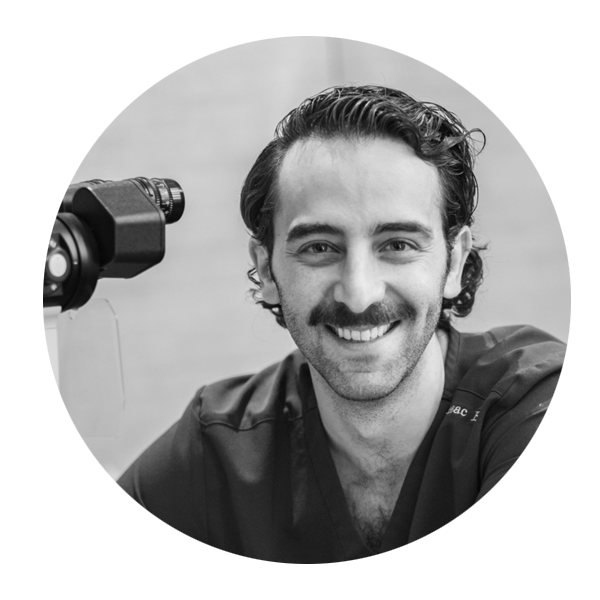
For patients who value top-level expertise, modern technology, and the highest standards of safety, we recommend Dr. Isaac Hindi Zaga.
As a premium, internationally trained ophthalmologist working within a JCI-accredited, world-class hospital, he provides exceptional care for cataract surgery, refractive surgery, corneal conditions, and more.
If you are looking for a trusted specialist for your vision needs, you can reach Dr. Isaac directly through this link.
Premium eye surgery has evolved far beyond routine vision correction. Today, international patients seek highly specialized procedures that address complex conditions, enhance visual performance, and minimize long term risk. As expectations rise, so does the importance of where these procedures are performed. Increasingly, premium eye surgery is concentrated within large multispecialty hospitals rather than standalone clinics. This trend reflects not marketing preference but structural advantages that directly influence safety, outcomes, and patient confidence.
The Growing Complexity of Modern Eye Surgery
Modern ophthalmic care encompasses far more than cataract or laser vision correction. Advanced retinal interventions, corneal transplants, glaucoma surgeries, ocular oncology care, and refractive procedures combined with lens implantation all require sophisticated diagnostics and precise execution. Many patients traveling for care also present with additional health considerations such as diabetes, cardiovascular disease, or autoimmune disorders that can affect surgical planning and recovery.
Large multispecialty hospitals are designed to manage this complexity. They bring together ophthalmology with internal medicine, anesthesia, cardiology, endocrinology, radiology, and intensive care services under one roof. This integrated environment allows eye surgeons to tailor procedures based on the patient’s overall health profile rather than treating the eye in isolation.
Advanced Technology and Diagnostic Capabilities
Premium eye surgery depends heavily on advanced technology. High resolution imaging systems, intraoperative diagnostics, specialized lasers, and precision surgical platforms require substantial investment and ongoing maintenance. Large hospitals are more likely to continuously upgrade and standardize these technologies across departments.
Equally important is access to advanced diagnostic support. Imaging services, laboratory testing, and specialized pathology are readily available in multispecialty hospitals. When unexpected findings arise, decisions can be made quickly without transferring patients to another facility. This seamless access reduces delays and supports higher clinical accuracy.
Multidisciplinary Support Enhances Surgical Safety
Safety is a defining factor in premium eye surgery, especially for international patients. Large hospitals maintain comprehensive safety protocols that extend beyond the operating room. Dedicated anesthesia teams, emergency response units, blood banks, and critical care departments are immediately available if complications occur.
While serious complications in eye surgery are uncommon, preparedness matters. Multispecialty hospitals are equipped to handle rare but critical events such as adverse reactions, cardiovascular instability, or postoperative infections. This level of readiness is difficult for smaller single specialty clinics to replicate consistently.
Infection Control and Quality Standards
Infection prevention is a central concern in any surgical environment, particularly for delicate eye procedures where even minor contamination can have serious consequences. Large hospitals typically follow institution wide infection control programs with dedicated teams, standardized protocols, and continuous monitoring.
These systems often include advanced sterilization processes, controlled operating environments, and regular quality audits. For international patients, this structured approach offers reassurance that care delivery meets rigorous safety expectations across every stage of treatment.
Comprehensive Care Before and After Surgery
Premium eye surgery is not limited to the procedure itself. Preoperative evaluation and postoperative follow up are equally critical. Large multispecialty hospitals support comprehensive care pathways that begin with detailed assessments and continue through recovery and long term monitoring.
Preoperative evaluations may involve systemic health checks, medication reviews, and consultations with other specialists. Postoperative care benefits from immediate access to imaging, laboratory testing, and supportive therapies if healing does not progress as expected. This continuity of care reduces fragmentation and enhances patient outcomes.
Managing Complex and High Risk Cases
Many patients seeking premium eye surgery are not straightforward cases. Some have previous eye surgeries, advanced disease, or coexisting medical conditions that increase surgical risk. Multispecialty hospitals are structured to manage these challenges.
When ophthalmologists collaborate closely with other specialists, surgical plans can be adjusted to reduce risk and improve precision. This collaborative approach is particularly valuable in cases involving retinal disease, diabetic eye conditions, or age related systemic issues that influence healing and vision outcomes.
Confidence for International Patients
For medical tourism patients, trust is essential. Traveling abroad for eye surgery involves logistical, financial, and emotional considerations. Large multispecialty hospitals often provide structured international patient services that support coordination, communication, and continuity.
These services may include multilingual staff, care coordinators, and standardized processes that guide patients from initial inquiry through discharge and follow up. The scale of the institution signals stability and experience, which can be especially important for patients making decisions from another country.
Research, Training, and Continuous Improvement
Large hospitals are frequently involved in research, training, and continuous quality improvement. This environment fosters adherence to evidence based practices and exposure to the latest surgical techniques. While patients may never see this activity directly, it influences clinical culture and decision making.
Surgeons practicing in these settings often work within peer reviewed frameworks that emphasize outcomes, data tracking, and procedural refinement. Over time, this contributes to more consistent results and a higher standard of care.
A Strategic Choice for Premium Outcomes
Premium eye surgery prioritizes precision, safety, and long term vision quality. Large multispecialty hospitals offer the infrastructure needed to support these goals through integrated care, advanced technology, and multidisciplinary expertise. While smaller clinics may excel in specific areas, the comprehensive capabilities of large hospitals make them a strategic choice for complex and high value ophthalmic procedures.
To summarize, For international patients and industry professionals alike, understanding the role of hospital scale and specialization helps explain why premium eye surgery is so often performed in large multispecialty settings. The decision reflects a commitment to comprehensive care rather than convenience alone, aligning surgical excellence with patient safety and confidence.


